
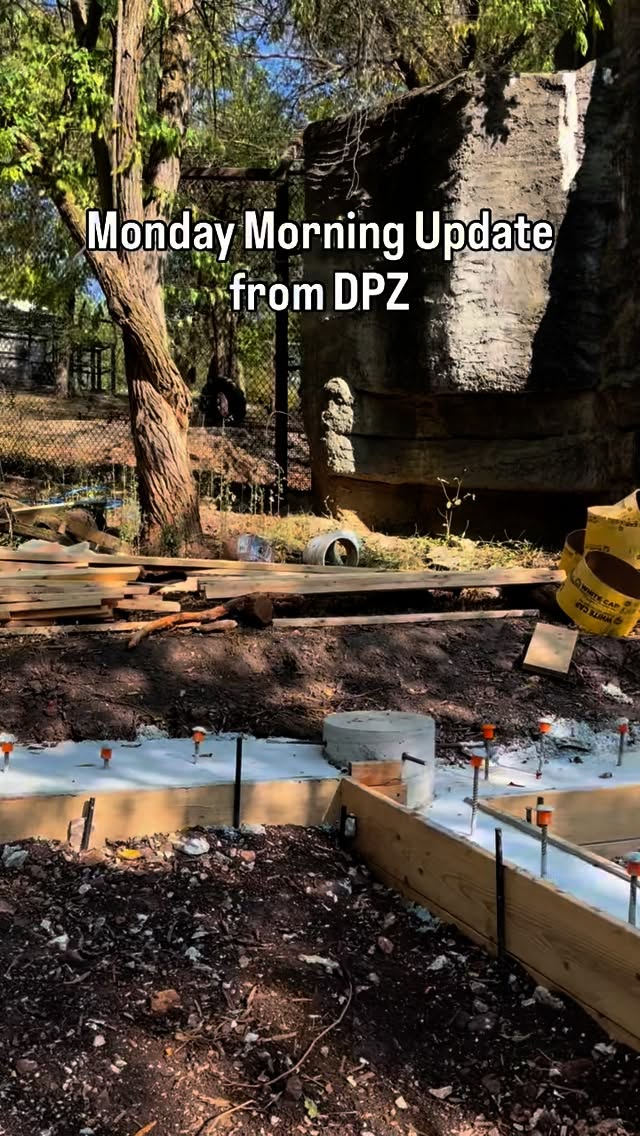
- The design process and planning of the Bear Boardwalk
- Materials selection and sustainability considerations
- Wildlife and habitat impact assessments
- Construction challenges and solutions
- The long-term implications for education and conservation
The construction of the Bear Boardwalk represents a significant investment in wildlife education, conservation, and habitat preservation. This article provides an in-depth look at the various aspects that contributed to the successful creation of this remarkable structure.
The design process for the Bear Boardwalk began with an understanding of the needs of both the bears and the visitors. Architects and wildlife experts collaborated to create a space that promotes the well-being of the animals while educating the public about their habitat. The design focuses on minimizing disruption to the animals’ living environment while providing an unobtrusive viewing experience for guests. This delicate balance was vital during the planning phase, as it allowed stakeholders to identify potential challenges and opportunities well in advance of construction.
Collaboration with zoologists played an essential role in crafting a space that prioritizes the animals’ needs. Through careful observation and data collection, experts identified specific behavioral patterns of the bears. The data informed many design elements, such as the layout of the boardwalk and the placement of viewing windows. This targeted approach helped to create an environment where bears could engage in natural behaviors, while visitors could still enjoy educational opportunities.
Selecting the right materials for the Bear Boardwalk was another critical aspect of the project. Builders opted for sustainable materials which were not only eco-friendly but also suitable for the harsh conditions of the habitat. Pressure-treated wood was chosen for its durability, while composite materials were included to reduce the environmental impact. These materials were selected with the understanding that the boardwalk would need to withstand weather variations without deteriorating.
Sustainability was integral to the project. Many materials were sourced from local suppliers, which reduces the carbon footprint associated with transportation. Attention to detail ensured that various components, such as railings and supports, utilized recycled materials where practical. This commitment to environmental stewardship reflects a growing awareness within wildlife conservation about the importance of sustainable practices.
Impact assessments are crucial when constructing structures that could affect wildlife habitats. Pre-construction evaluations included thorough studies of the local ecosystem and the resident bear population. Ecologists conducted surveys to chart the bears’ movements and behavioral patterns, helping to pinpoint areas that should be either avoided or carefully considered for construction. This proactive planning helped to mitigate the impact of the boardwalk on the bears and their habitat.
The construction phase posed several technical challenges that required innovative solutions. One of the primary concerns was minimizing disruption to the bears during the building process. Construction crews worked within strict timelines to limit noise and human activity in the area, which could stress the animals. Engineers devised a plan to stagger work hours, allowing for quiet periods when the bears were most active.
Heavy machinery was another consideration. The team employed lightweight equipment to minimize ground disturbance, particularly in sensitive areas. Additionally, careful planning allowed for the precise location of foundation supports, ensuring that the stability of the boardwalk would not negatively affect the surrounding vegetation or soil structure.
Communication with local conservation groups and the community was vital throughout construction. Regular updates helped ensure transparency and provided opportunities for public input. Engaging with the community helped to foster a sense of ownership and investment in the project. Educational sessions were held to inform the public about the importance of the Bear Boardwalk in supporting wildlife conservation.
The Bear Boardwalk’s educational potential is immense. Once built, the structure serves not just as a viewing platform but as a vital part of a broader educational initiative. Informational plaques, interactive displays, and guided tours will enable visitors to learn about bear behavior, habitat conservation, and environmental responsibility. The design encourages curiosity and inspires visitors to engage with wildlife conservation efforts.
Moreover, the presence of educational programs will increase awareness of the issues facing bear populations and other wildlife species. The boardwalk is positioned not just as a recreational space, but as an important tool for educating the public about ecological challenges and the importance of wildlife conservation. The collaborative educational efforts will include partnerships with schools and local organizations dedicated to wildlife advocacy.
Beyond the construction and educational aspects, the Bear Boardwalk also supports research initiatives. By providing researchers with easy access to observe bear behavior in a controlled yet naturalistic setting, the boardwalk will contribute significantly to ongoing studies about bear ecology and conservation strategies. This data will be invaluable for understanding how bears adapt to human environments and the underlying factors affecting their populations.
Long-term monitoring will be essential after the boardwalk’s opening. Data collected from visitor interactions, wildlife behavior, and educational outcomes will inform future improvements and innovations to enhance the experience for both animals and visitors alike. This ongoing commitment to evaluation underscores a dedication to not just the immediate success of the boardwalk, but its legacy as a sustainable educational platform for future generations.
In sum, the Bear Boardwalk construction was a multifaceted process that involved careful planning, collaboration, and a commitment to wildlife conservation. Each phase of this endeavor was designed with a firm understanding of the ecological implications and the need for public education. As visitors gain insight into the lives of bears through this thoughtfully crafted structure, the hope is that they will leave not only with memorable experiences but with a renewed sense of responsibility toward preserving our natural world.
*****
Source Description
A behind-the-scenes look at the bear boardwalk construction.
