
- The fascinating biology and ecology of manatees, highlighting their unique characteristics and adaptations.
- The significance of wildlife conservation efforts for manatees, focusing on habitat protection and educational programs.
- The role of zoos and aquariums in manatee conservation and public awareness.
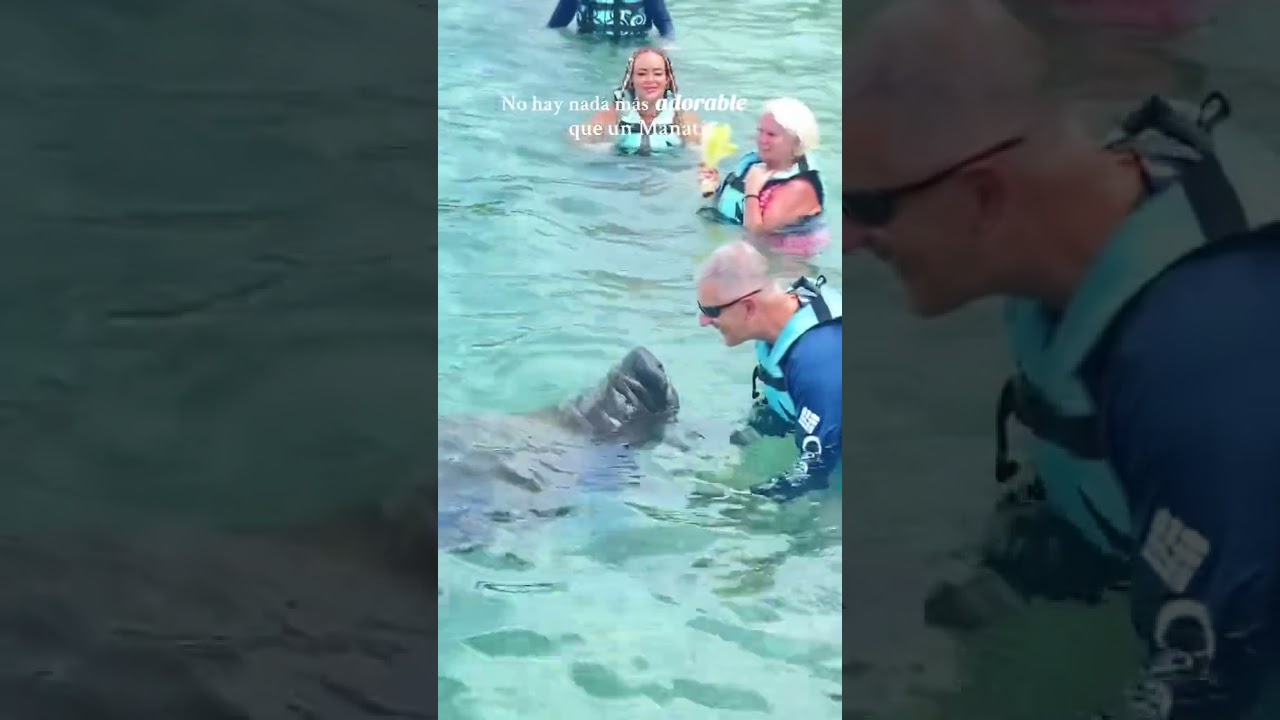
- The value of interactive experiences like Encuentro con Manatíes in fostering conservation empathy.
- Insights into the broader implications of conserving aquatic ecosystems.
In the enchanting encounter known as “Encuentro con Manatíes: una experiencia inolvidable 🐮🥬,” an opportunity is presented to delve deeply into the wonders of these gentle giants, the manatees. Often dubbed “sea cows,” these marine mammals fascinate with their slow, majestic movements and gentle nature. Manatees are found in various aquatic environments, from the shallow coastal regions of the Gulf of Mexico to the clear waters of the Amazon Basin. Their biology and ecology reveal fascinating insights into an existence that demands respect and protection.
Manatees, belonging to the order Sirenia, are herbivorous mammals with distinctive features. They have a robust and flexible body streamlined for buoyancy and maneuverability. Their paddle-like flippers are adept at steering through water, while a large, flat tail propels them smoothly. These creatures possess a thick layer of fat under their skin, aiding in thermoregulation, vital for survival in fluctuating water temperatures. Their nostrils, minimizing water intake when submerged, are a testament to their aquatic adaptations.
Their diet is predominantly composed of seagrasses and freshwater vegetation, making them crucial to their ecosystems. As they graze, manatees inadvertently promote plant growth by cycling nutrients and maintaining healthy habitats. This natural pruning aids in preventing overgrowth, ensuring a sustainable balance within aquatic systems. Understanding these interactions highlights the critical role of manatees in ecosystem management. However, their role in the food web is only a part of their ecological significance.
The anatomy of a manatee’s mouth, equipped with prehensile lips, allows for efficient foraging. Their ability to replace worn teeth throughout their lifetime is an adaptation to their abrasive diet. This continuous tooth regeneration is a vital evolutionary trait shared by few other mammals, providing insights into adaptive mechanisms for dietary needs.
Despite their adaptability, manatees face perilous threats, primarily due to human activities. Habitat destruction, water pollution, and collisions with watercraft present severe challenges. To safeguard these gentle creatures, wildlife conservation efforts are imperative. Protecting natural habitats, implementing strict boating regulations, and fostering community involvement are essential strategies. Conservation programs aim to educate the public, informing them about the importance of preserving these serene animals and the ecosystems they inhabit.
Zoos and aquariums play a pivotal role in conservation efforts. By offering a sanctuary for injured and orphaned manatees, these institutions help bolster wild populations. Rehabilitation programs work tirelessly to nurse these animals back to health, ensuring their return to the wild. Additionally, zoos and aquariums serve as platforms for research, contributing valuable data on manatee biology, behavior, and health. Collaborations with conservation organizations amplify the impact, uniting resources for a cohesive effort against declining populations.
Public engagement through interactive experiences like Encuentro con Manatíes can significantly enhance awareness and empathy. Such encounters foster a personal connection with wildlife, transforming abstract concepts of conservation into tangible experiences. By witnessing the manatees’ grace and understanding their vulnerabilities, participants become advocates for their protection. Educational programs integrated into these encounters provide visitors with scientific knowledge, promoting broader ecological mindfulness.
Conserving manatees transcends individual species protection; it emphasizes the stability of entire aquatic ecosystems. Manatees serve as indicator species, reflecting the health of their environment. Protecting them directly correlates to water quality and the sustainability of countless other species. Their presence signifies pristine habitats, encouraging initiatives to combat climate change and pollution that threaten biodiversity.
Understanding the biology and ecology of manatees extends beyond mere curiosity. It invites a broader reflection on our role as custodians of the natural world. Through dedicated conservation efforts and public education, it becomes possible to preserve these majestic creatures for future generations. Encountering manatees through programs like Encuentro con Manatíes reminds us of the interconnectedness of life and the responsibility we hold in maintaining the delicate balance of our ecosystems.
In conclusion, the journey into the lives of these remarkable sirenians illuminates a path toward harmonious coexistence with nature. Engaging educational experiences provide the tools to transform understanding into action, advocating for a world where manatees and humanity coexist sustainably.
*****
Source Description
Nuestros manatíes siempre tendrán un lugar especial en nuestro corazón 🤩💙 Su ternura y tranquilidad hacen de cada encuentro una experiencia única.
¿Ya viviste la experiencia de conocerlos? 🐮✨
#Manatíes #ExperienciaConManatíes #DolphinDiscovery #EncuentroConManatíes
