
Summary of Behind-the-Scenes on the set of Wild Kingdom with Carnivore Conservation Specialist Paula MacKay:
In her blog post, Paula MacKay recounts her childhood inspiration from Mutual of Omaha’s Wild Kingdom. Fast forward decades, she finds herself in Billings, Montana, to be filmed for the show’s new iteration while studying wolverines at ZooMontana with Dr. Rae Wynn-Grant and Dr. Robert Long. Their innovative approach includes a synthetic scent lure, dubbed “Let’s Get Wild!”, to study wolverine behavior. MacKay humorously recalls her encounter with a Canada lynx named Fierca, and looks forward to sharing her experiences on the show. She hopes to inspire future generations to pursue wildlife conservation, just as she was inspired in her youth. The episode is set to air on November 29.
- The transformative influence of wildlife documentaries on public awareness and conservation efforts.
- The innovative techniques in wildlife research and monitoring demonstrated by conservation specialists.
- The critical role of synthetic scent lures in modern wildlife tracking and research.
- The impact of climate change on carnivore populations and the importance of studying species like wolverines and lynxes.
- The behind-the-scenes experiences on the set of Mutual of Omaha’s Wild Kingdom featuring prominent conservationists.
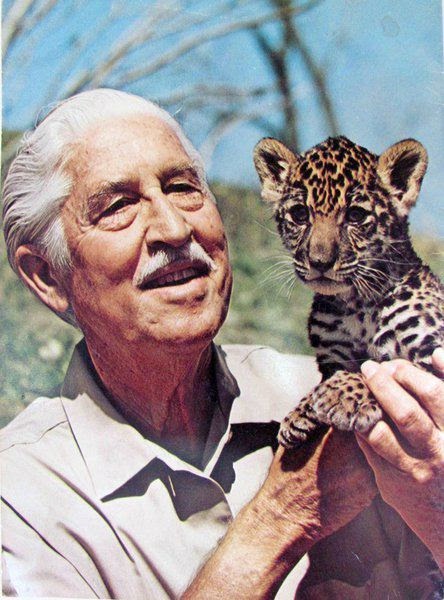
Paula MacKay, a Carnivore Conservation Specialist, shares an exhilarating journey that bridges her childhood fascination with wildlife and her current work in conservation. Growing up in Boston, much of her initial wildlife experience involved common urban animals like gray squirrels and raccoons. However, she found herself captivated on Sunday nights by Marlin Perkins on Mutual of Omaha’s Wild Kingdom, who introduced viewers to extraordinary animals living in wilder, untamed regions. Such experiences paved the way for her future endeavors in the field of carnivore conservation, ultimately leading to her involvement in the iconic program.
Fast forward several decades, and Paula’s dream came to fruition as she traveled to Billings, Montana, to film for the show’s new series, Mutual of Omaha’s Wild Kingdom Protecting the Wild. Accompanied by Dr. Robert Long, her husband and a fellow conservationist, and Dr. Rae Wynn-Grant, the show’s dynamic co-host, Paula’s mission that day centered on the study of wolverines, a species she and Robert have researched extensively in the North Cascades.
Observing how these wolverines reacted to a synthetic scent lure created by a team of innovators was crucial for their research. Traditional scent lures are typically sourced from animals through trapping methods. In contrast, this synthetic alternative mimics the intended scent profile without harming wildlife, representing a significant step forward in ethical wildlife monitoring practices. This innovation not only serves the animals but also aligns with the increasing demand for humane alternatives in conservation research.
The humorous naming of their synthetic scent as “Let’s Get Wild!” added a light-hearted touch to their serious work. During filming, the excitement was palpable as the team introduced the wolverines—Ahmari, Sid, and Enda—to this new lure. The playful atmosphere captured the essence of connecting with wildlife and showcasing their behavior in an engaging manner for the audience. As these tenacious animals interacted with the lure, the experience provided essential insights into their behavior and scent preferences.
The filming day didn’t solely focus on wolverines. Paula had the opportunity to meet Fierca, a Canada lynx, who now serves as an ambassador for her wild counterparts after being surrendered as a pet. The importance of educating the public on the challenges faced by lynxes also resonated with Paula and her work, given that both wolverines and lynxes are highly susceptible to the effects of climate change. Photographed rubbing against Paula’s leg, Fierca’s friendly encounter took an unexpected turn when she made her presence felt more intimately—a humorous yet genuine interaction illustrating the potential unpredictability of working closely with wildlife.
Apart from the exhilarating day with wolverines and the unexpected surprises with Fierca, Paula, along with Robert, later joined renowned co-host Peter Gros for a field excursion in Snoqualmie Pass. Their discussions highlighted the pressing need to monitor the impacts of climate change on carnivore populations in Washington state. The collaboration exemplified the synergy between traditional wildlife documentaries and scientific research—enhancing public awareness about conservation efforts while showcasing the beauty and fragility of wildlife habitats.
As Wild Kingdom prepares for its next airing, there’s an expectation that viewers, especially young girls who may share Paula’s childhood dreams of studying animals, will feel inspired. The show serves not just as entertainment but as a powerful educational tool. By showcasing the intricate lives of wolverines and lynxes, as well as the passionate individuals dedicated to their research, the program fosters a deeper understanding and appreciation for wildlife.
Moreover, the importance of documentaries in promoting wildlife conservation cannot be overstated. Programs like Wild Kingdom inform the public about often-overlooked species, raising awareness about their vulnerabilities and the environmental pressures they face. Through expert narratives and captivating visuals, documentaries are instrumental in making complex conservation topics accessible and engaging to a wide audience.
Innovative techniques employed in wildlife research further underscore the significance of collaboration between scientific inquiry and public engagement. The creation of synthetic scent lures is just one example of how modern technology can yield humane and effective results in animal behavior studies. By shifting the paradigm away from traditional methods that involve trapping, conservationists can maintain ethical standards while capturing essential data on wildlife interactions and behaviors.
As global temperatures rise, climate change continues to challenge wildlife habitats. Species like wolverines rely on cold, mountainous environments that are threatened by warming temperatures and habitat loss. Understanding these dynamics is fundamental for the development of effective conservation strategies. The ongoing research efforts aimed at these species provide crucial insights that contribute to a broader understanding of the ecological balance and the interconnectedness of different animal populations.
Paula MacKay’s experience on the set of Mutual of Omaha’s Wild Kingdom encapsulates the fusion of passion, science, and public engagement in wildlife conservation. Her journey from a captivated child to a dedicated conservationist exemplifies the lasting influence of wildlife documentaries in fostering the next generation of environmental stewards. By highlighting the fascinating lives and challenges of wolverines and lynxes, the show successfully turns the spotlight on the vital work being done to protect these elusive species and their habitats.
The experience of being in the field, interacting with wildlife, and sharing those stories through a familiar medium is invaluable. Paula’s narrative not only educates viewers about specific species but also instills a sense of urgency to take action for conservation. This approach helps cultivate a culture of awareness and involvement among the public, making them feel like they can contribute to a brighter future for wildlife.
As the episode airs, it will serve as a reminder of both the joys and responsibilities of wildlife conservation. The stories shared will resonate with viewers, igniting curiosity and perhaps even motivating them to find ways to support conservation efforts, whether through donations, volunteering, or becoming stewards of their local environments. The ripple effect of such programs can lead to lasting change that benefits both wildlife and ecosystems.
Paula’s encounter with wolverines and lynxes on Wild Kingdom highlights the intricate balance between education, innovation, and conservation. By utilizing creative strategies for research while connecting with broader audiences, conservationists can continue to make significant strides in protecting vulnerable species for generations to come.
