
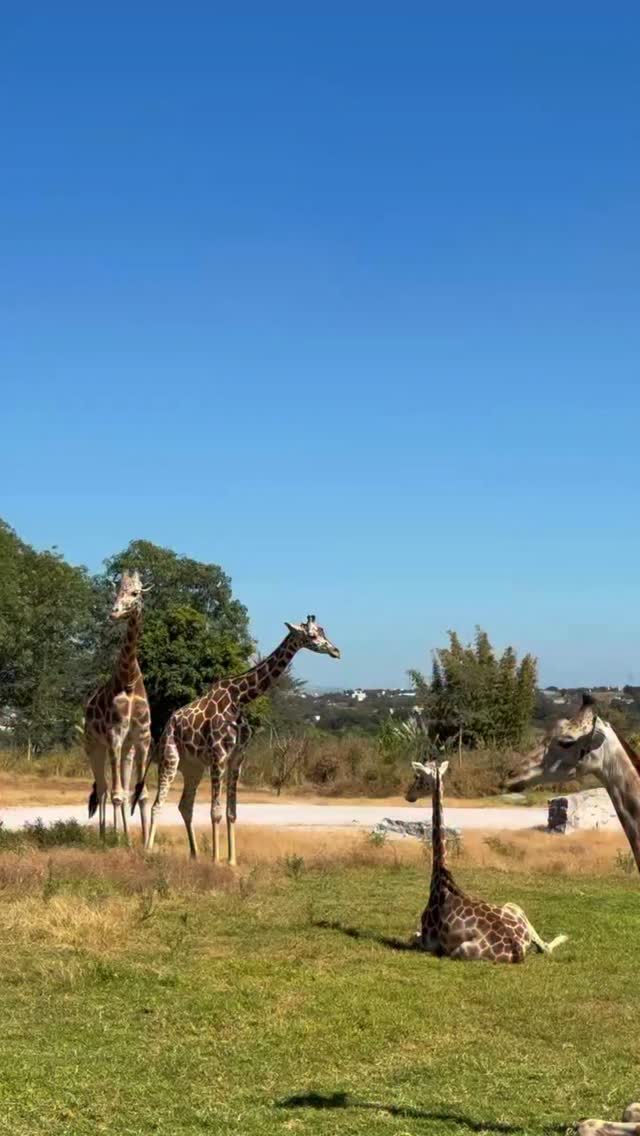
- The social structure and behavior of giraffes in Africam.
- Habitat and environmental conditions influencing giraffe behavior.
- Conservation efforts related to giraffes and their ecosystems.
- The diversity of giraffe species and their unique adaptations.
- Visitor engagement and educational programs at Africam.
The social structure and behavior of giraffes in Africam provide fascinating insights into their interactions and daily routines. Giraffes are known for their complex social dynamics, typically forming loose groups known as towers. These towers consist of several females and their young, while males often roam in smaller bachelor groups. The relationships among giraffes can vary significantly. Dominance hierarchies are established through ritualized behaviors, such as necking, where males swing their necks to strike opponents. This behavior serves not only to establish social rank but also to attract potential mates. In Africam, giraffes exhibit these behaviors in a safe environment, demonstrating their intricate social skills and creating a unique atmosphere for visitors.
In terms of habitat, Africam replicates the natural conditions found in the wild, providing vital components for giraffe health and well-being. The environment at Africam includes spacious enclosures where giraffes can roam freely, supplemented by trees and shrubs that mimic their native savannas. These elements are crucial for allowing giraffes to engage in their natural feeding behaviors, primarily browsing on leaves and tender shoots. The layout emphasizes the importance of open space, which is essential for geriatric giraffes who may require more room due to potential mobility challenges. The ability to display natural behaviors contributes significantly to the welfare of the giraffes and enhances the educational experience for visitors.
Conservation efforts specific to giraffes have gained traction in recent years, as populations face significant threats from habitat loss, poaching, and climate change. Organizations dedicated to wildlife preservation have partnered with institutions like Africam to spread awareness and implement strategies for giraffe conservation. These initiatives focus on habitat restoration, anti-poaching efforts, and community engagement. Local communities are encouraged to participate in conservation through educational programs and sustainable practices that align with their traditional livelihoods. This collaborative approach aims to reduce human-wildlife conflict while promoting the coexistence of humans and giraffes.
The diverse species of giraffes, such as the Maasai, Reticulated, and West African giraffes, showcase a range of adaptations that allow them to thrive in their environments. Each species exhibits distinct physical traits, including patterns of their coat, which serve both camouflage and social functions. For example, the Reticulated giraffe has a network of light-colored patches that become crucial for protection against predators. Beyond their distinctive patterns, giraffes are equipped with long necks and legs, allowing them to access high foliage that other herbivores cannot reach. This evolutionary trait highlights the necessity of specific environmental conditions for their survival and raises awareness of the threats facing diverse ecosystems.
Visitor engagement at Africam plays a pivotal role in raising awareness about giraffes and their conservation. Educational programs are designed to inform guests about the specific needs of giraffes and the challenges they encounter. Interactive sessions allow participants to learn from experts who share knowledge about giraffe locomotion, feeding habits, and social behavior. Such programs illuminate the significance of conservation efforts, emphasizing the role individuals can play in protecting these majestic creatures. This engagement not only fosters appreciation but also instills a sense of responsibility toward wildlife stewardship.
As visitors observe the giraffes at Africam, they may notice them resting or in a relaxed state, a behavior not commonly seen in wild populations. Giraffes typically exhibit resting behaviors only when they feel completely at ease in their environment. This revelation serves as a testament to the effective management practices employed at Africam, which prioritize the animals’ welfare. By allowing giraffes to display behaviors like lying down, Africam reinforces the importance of creating tranquil surroundings that enable animals to thrive.
Additionally, giraffes communicate through various vocalizations, body language, and even infrasound—low-frequency sounds inaudible to human ears. Such forms of communication serve multiple purposes, including warning others of potential threats and maintaining social bonds. Understanding these communication methods is essential for both zoo management and public education, providing deeper insight into the daily lives of giraffes within Africam’s ecosystem.
Moreover, the behavior of giraffes can serve as an important indicator of environmental health. Their browsing habits influence the vegetation structure of their habitat, affecting other species that share the ecosystem. By studying giraffes and their interactions with the environment, researchers can assess the overall ecological condition and the implications of habitat changes. This understanding highlights the interconnectedness of species and underscores the necessity for holistic conservation efforts.
It is essential to recognize that giraffes face significant challenges from climate change. Altering weather patterns can disrupt the availability of food resources and modify habitats, impacting giraffa populations. With proactive measures, such as climate-responsive conservation strategies, institutions like Africam strive to mitigate these effects and promote resilience among wildlife. Collaboration with scientists and conservationists amplifies these initiatives, fostering a shared commitment to protecting biodiversity.
The impressive adaptability of giraffes extends beyond their physical traits to their behavioral strategies, allowing them to thrive even in changing environments. This adaptability serves as a point of educational focus, illuminating the necessity of preserving natural habitats for all species at Africam. It also underscores the importance of responsible tourism, where visitor interactions contribute positively to conservation awareness.
In Africam, giraffes are not just a display of natural beauty; they represent a broader narrative about wildlife survival in the face of adversity. By showcasing diverse giraffe species, Africam emphasizes the significance of genetic diversity—a critical factor in maintaining healthy and resilient populations. Conservation strategies that prioritize diversity not only benefit giraffes but also enhance the ecological integrity of their habitats.
To optimize the educational experience, Africam implements partnerships with local schools and community organizations. These collaborations create outreach programs designed to educate younger generations about wildlife conservation and ethical interactions with nature. Such initiatives increase awareness and build a future generation that values wildlife and their habitats. Continuous learning opportunities ensure that the dialogue surrounding giraffes remains dynamic and impactful.
Simultaneously, giraffes’ unique physiological features, such as their engaging long tongues and specialized dental structures, enhance their ability to consume a diverse diet. A diet rich in foliage and bark not only meets their nutritional needs but also supports the overall health of their environment. Through grazing, they contribute to the growth and regeneration of plant life, demonstrating the critical balance within ecosystems.
The prominence of giraffes in Africam stimulates discussion around ethical wildlife management. Visitors are encouraged to reflect on human impact on natural habitats and the importance of sustainable practices. The facility’s approach underscores the moral obligation of humans to protect wildlife, setting a critical example in zoo management and conservation efforts.
Programs offered at Africam highlight the importance of responsible tourism and its effects on wildlife conservation. By educating visitors on the dire situations many species face, including giraffes, Africam cultivates a community aware of their role in fostering coexistence between humans and wildlife. The impact of shared knowledge can transform perceptions and inspire actionable steps toward meaningful conservation efforts.
Underpinning these efforts is a commitment to scientific research and collaboration. By working with wildlife biologists, conservationists, and local communities, Africam contributes to ongoing studies that monitor giraffe health and habitat conditions. The data collected not only informs management practices within the facility but also enhances broader conservation methodologies across giraffe habitats.
Furthermore, as societal awareness grows concerning animal rights and environmental issues, Africam remains at the forefront, advocating for intelligent policies and ethical standards in wildlife management. From their stance on habitat protection to their educational outreach, their multifaceted approach reflects a dedication to high standards in zoo management.
As giraffes thrive in Africam’s care, they embody resilience and adaptability. Their stories fuel conversations about species survival and the collective responsibility humanity bears to safeguard wildlife. Each encounter at Africam illustrates the importance of understanding complex interactions in ecosystems, reinforcing the fact that our actions influence the sustainability of diverse species.
Africam not only serves as a home for giraffes but also plays an essential role in promoting awareness and action concerning wildlife conservation. By fostering an understanding of giraffe behavior, habitat needs, and the pivot points in their survival, Africam enlightens visitors while contributing to the broader conservation dialogue. The majesty of giraffes enchants all who visit, transforming curiosity into knowledge, and knowledge into activism for the protection of these extraordinary animals. Through education and engagement, Africam nurtures a lasting impact, ensuring that future generations can appreciate and support giraffes in their natural habitats.
*****
Source Description
La manada de jirafas en Africam es tan grande como diversa. 🦒✨
Aquí pueden relajarse de verdad… por eso verás a algunas echadas. Es algo muy raro en su especie, pero lo hacen cuando se sienten completamente seguras.
