
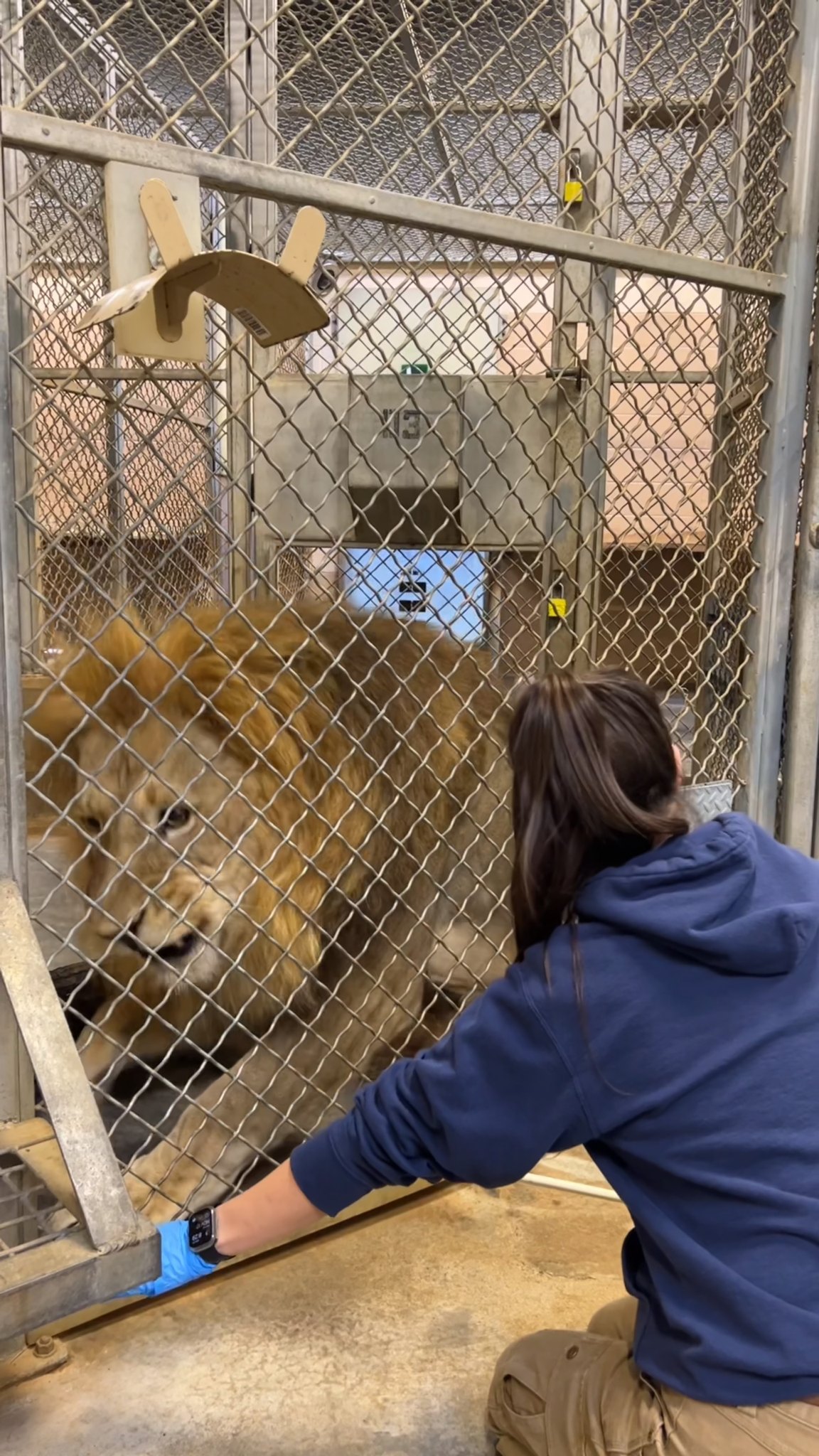
- Daily routines in caring for African lions
- Nutrition and dietary needs of lions
- Health monitoring and veterinary care
- Enrichment activities and social behaviors
- Conservation efforts and their importance
Caring for African lions requires a comprehensive understanding of their biology, behavior, and environmental needs. The Carnivore Team in zoos and wildlife reserves plays a crucial role in ensuring the well-being of these magnificent creatures. This article provides insight into the daily practices that support lion care, from feeding routines to health monitoring and efforts aimed at conservation.
Daily routines in caring for African lions are structured to align with their natural behaviors. The aim is to create an environment that not only meets their physical needs but also stimulates their mental and social instincts. The keeper’s day often begins early. As the sun rises, the Carnivore Team arrives to assess the day’s conditions, including temperature and weather, which may influence lion behavior.
Morning routines often involve checking each lion’s habitat and ensuring security measures are intact. Safety protocols are paramount; the team checks fences and barriers before entering enclosed areas. The keepers then observe the lions’ demeanor. Any changes in behavior might indicate health issues or stress, prompting further evaluation. Regular observations allow keepers to learn individual lion personalities, which aids in providing specialized care based on specific needs.
Following the initial checks, it’s time for feeding. Lions are obligate carnivores, meaning their diet consists entirely of meat. The Carnivore Team works with a nutritionist to devise a diet plan that meets the needs of each lion, taking into account their age, weight, and health status. Recognizing the nutritional value in various meats helps ensure optimal growth and health.
Feeding typically includes a variety of meats, such as beef, chicken, and occasionally whole prey that mimics what lions would hunt in the wild. The keepers meticulously prepare meal portions, ensuring all lions receive the right calories for energy. These meals are often hidden or scattered across the habitat, encouraging natural hunting behaviors. This method not only provides nourishment but engages the lions mentally, promoting physical activity and coordination skills.
Health monitoring is another critical aspect of lion care. Regular veterinary check-ups are scheduled to monitor the lions’ weight and overall condition. Vaccinations are key in preventing diseases, and quick response protocols are in place for potential issues. Blood tests and fecal exams help assess health, aiding the identification of parasites or other underlying concerns.
Lions can be susceptible to various medical problems, including obesity and dental diseases. The Carnivore Team collaborates closely with the veterinary staff to mitigate these risks through a mix of nutrition and preventive care. When health issues arise, treatment may involve medication or specific dietary adjustments. Keepers are trained to administer basic first aid and recognize signs of distress, enabling early intervention.
Engagement through enrichment activities is crucial in supporting the natural behaviors of African lions. Enrichment can come in various forms, including toys, scents, and even puzzles that encourage problem-solving. For example, placing food inside treat-dispensing toys motivates lions to use their senses and physical skills to retrieve their meals.
Social interaction among the lions is equally important. In the wild, lions are social animals that live in prides, relying on group dynamics for hunting and defense. Zoos replicate this social structure where possible, allowing compatible lions to cohabitate. Observing interactions can offer insight into social hierarchies and personalities within the pride. This social aspect is essential for the mental health of the lions, reducing stress and encouraging natural behaviors.
Conservation efforts are paramount in preserving African lions, particularly in light of declining populations in the wild. The Carnivore Team often participates in educational outreach about the threats facing lions, such as habitat loss, poaching, and human-wildlife conflict. These educational initiatives extend beyond the zoo, engaging the public and promoting support for conservation actions.
Zoos also contribute to global wildlife conservation programs through breeding initiatives and collaborations with wildlife organizations. These programs aim to maintain genetic diversity within captive lion populations, which could eventually be reintroduced to the wild. Each successful birth in captivity represents not only an achievement in breeding programs but also a potential contributor to strengthening wild populations.
The Carnivore Team holds regular training sessions to stay updated on best practices in animal care and conservation methods. Knowledge sharing across institutions enables the team to implement the latest veterinary techniques and behavioral strategies. This collaboration is vital as it cultivates an informed community dedicated to the welfare of African lions and other endangered species.
In summary, caring for African lions is a multifaceted process that involves daily routines focused on health, nutrition, enrichment, and conservation. The expertise of the Carnivore Team is essential in maintaining the well-being of these iconic animals while simultaneously advocating for their survival in the wild. Through hands-on care and community engagement, the team helps elevate awareness about the intricate balance of wildlife and the need for conservation. Understanding these intricate layers enhances our appreciation for lion care and underscores the importance of collective efforts in wildlife stewardship.
*****
Source Description
Go behind-the-scenes with the Carnivore Team to learn the daily ins and outs of African lion care!
