
- Understanding the Role of Zoos in Wildlife Conservation
- The Importance of Animal Welfare in Zoo Management
- Education and Public Engagement through Zoos
- Challenges Facing Zoos Today
- Future Directions for Zoos and Conservation Efforts
Zoos have long fascinated humans, serving as places where we can experience wildlife beyond the confines of nature. They play a crucial part in wildlife conservation efforts, providing a refuge for endangered species and promoting awareness of ecological issues. Understanding the multifaceted role of zoos sheds light on their significance in the modern world.
Understanding the Role of Zoos in Wildlife Conservation
The primary function of many zoos is to contribute to wildlife conservation. Various species face threats due to habitat loss, poaching, and climate change. Zoos often participate in breeding programs designed to preserve genetic diversity. These programs create insurance populations of endangered species, which can potentially be reintroduced into the wild. For instance, the California condor and the Arabian oryx have benefited from such initiatives that have increased their populations after they were near extinction.
By housing and breeding animals in a controlled environment, zoos can research species-specific behaviors and needs. Knowledge gained from captivity can also inform conservation strategies deployed in natural habitats. For example, studying reproductive habits in a zoo may provide insights into optimizing conditions for breeding in the wild.
Furthermore, zoos collaborate with global conservation organizations. These partnerships often fund conservation projects in the animals’ native habitats, tackling challenges like poaching and habitat destruction. Notably, zoos often participate in the Species Survival Plan (SSP), coordinating breeding efforts across multiple institutions to maintain healthy, genetically varied populations.
The Importance of Animal Welfare in Zoo Management
Animal welfare is a fundamental consideration in modern zoo management. Ethical treatment of animals has gained prominence, influencing how zoos design exhibits and handle animal care. Enclosures should mimic natural habitats, providing animals with space to roam, thrive, and display natural behaviors. This not only promotes the animals’ physical health but also supports their psychological well-being. Enrichment activities, such as puzzle feeders or structured play, keep animals mentally stimulated.
Zoos also focus on veterinary care and health monitoring to identify and treat ailments early. Each species has specific health requirements, diets, and needs that zoo staff must address. Advanced veterinary practices and nutrition science are essential components to maintaining the health of zoo inhabitants. For example, many zoos have developed comprehensive health programs that include regular check-ups and vaccination protocols, which are vital for managing diseases.
Animal welfare extends beyond the physical aspects. Public education about the feelings and social structures of animals enhances appreciation and understanding. By presenting animals as sentient beings, zoos promote empathy and awareness that may foster a conservation mindset in visitors.
Education and Public Engagement through Zoos
Education plays a pivotal role in the mission of modern zoos. They serve as platforms for public awareness, helping visitors connect with wildlife and understand conservation challenges. Informative signage, guided tours, and interactive exhibits educate guests on various species and the ecosystems they inhabit. Educational programs designed for schools encourage children to grasp the importance of biodiversity and conservation.
Creating memorable experiences increases public engagement. Many zoos offer behind-the-scenes tours or animal encounter experiences, where guests can learn directly about the species and their conservation statuses. Such direct interactions can inspire people to advocate for wildlife conservation or even pursue careers in zoology or environmental science.
Moreover, zoos contribute to research by collaborating with academic institutions. Findings from these studies can drive policy changes and environmental practices. Informed citizens equipped with knowledge are more likely to contribute to conservation efforts in their communities, making zoo education pivotal in fostering a culture of stewardship toward wildlife.
Challenges Facing Zoos Today
Despite their benefits, zoos encounter several challenges. Public perception of zoos has shifted, with some questioning the ethics of keeping animals in captivity. Critics argue that despite improved conditions, no enclosure can truly replicate the wild. In light of these concerns, many zoos have adopted a commitment to transparency and ethical practices. They strive to show how modern zoos have evolved, emphasizing conservation and education rather than mere entertainment.
Financial sustainability is another pressing issue. Many zoos rely on ticket sales, donations, and grants. Economic downturns can severely impact funding, posing risks to animal welfare and conservation efforts. To combat this, zoos are diversifying revenue streams. They may host special events, seek corporate sponsorship, or develop educational programs and workshops.
Additionally, zoos must keep pace with rapid developments in animal science. New research sometimes challenges traditional practices, necessitating continual updates in care and management strategies. Zoos must adapt to new regulations and welfare standards, keeping their protocols current and in line with best practices.
Future Directions for Zoos and Conservation Efforts
The future of zoos increasingly focuses on the integration of conservation science and technology. Innovations like genetic banking are becoming essential. Biobanks store genetic material from endangered species, providing resources for future breeding programs. This genetic repository can also help alleviate concerns related to inbreeding in captive populations.
Zoos are also working to expand their reach beyond their physical locations. Virtual tours and online educational programs have become more commonplace, especially following the COVID-19 pandemic. These initiatives allow institutions to engage global audiences, furthering conservation advocacy.
Another noteworthy trend is the emphasis on local conservation. Many zoos are launching initiatives to address regional biodiversity issues, working with local communities. They are engaging in habitat restoration projects and species protection programs tailored to the specific ecological dynamics of their areas.
Also, community outreach is becoming increasingly vital. Zoos are now more involved in advocating for policies that benefit wildlife conservation on a large scale. This often involves partnering with government agencies and NGOs to promote sustainable practices and enhance wildlife protection laws.
Zoos today serve as critical components in wildlife conservation. They are not just facilities for display; they are integral to preserving species, educating the public, and promoting conservation in our society. The systematic approach to animal welfare, education, and conservation programs positions zoos as innovative leaders in an era that demands ecological awareness and responsibility.
Zoos are evolving, reflecting a broader understanding of conservation and the ethical treatment of animals. Promoting animal welfare, engaging the public, and committing to research and education are instrumental in reshaping their future role. Each visited zoo not only provides glimpses into wildlife but embodies humanity’s commitment to preserving these incredible species for generations to come.
*****
Source Description
الإجابة في الأخير😌☝
لا تقوموا بالسحب يا أصدقااااء🙂↔️
.
.
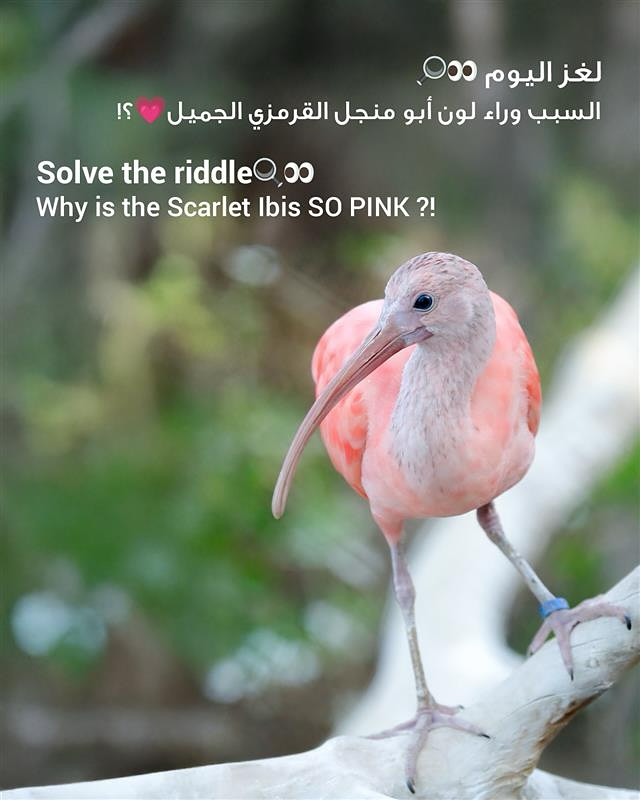
The answer is in the last photo😌☝
🙂↔️DO NOT SWIPE🙂↔️
.
.
