
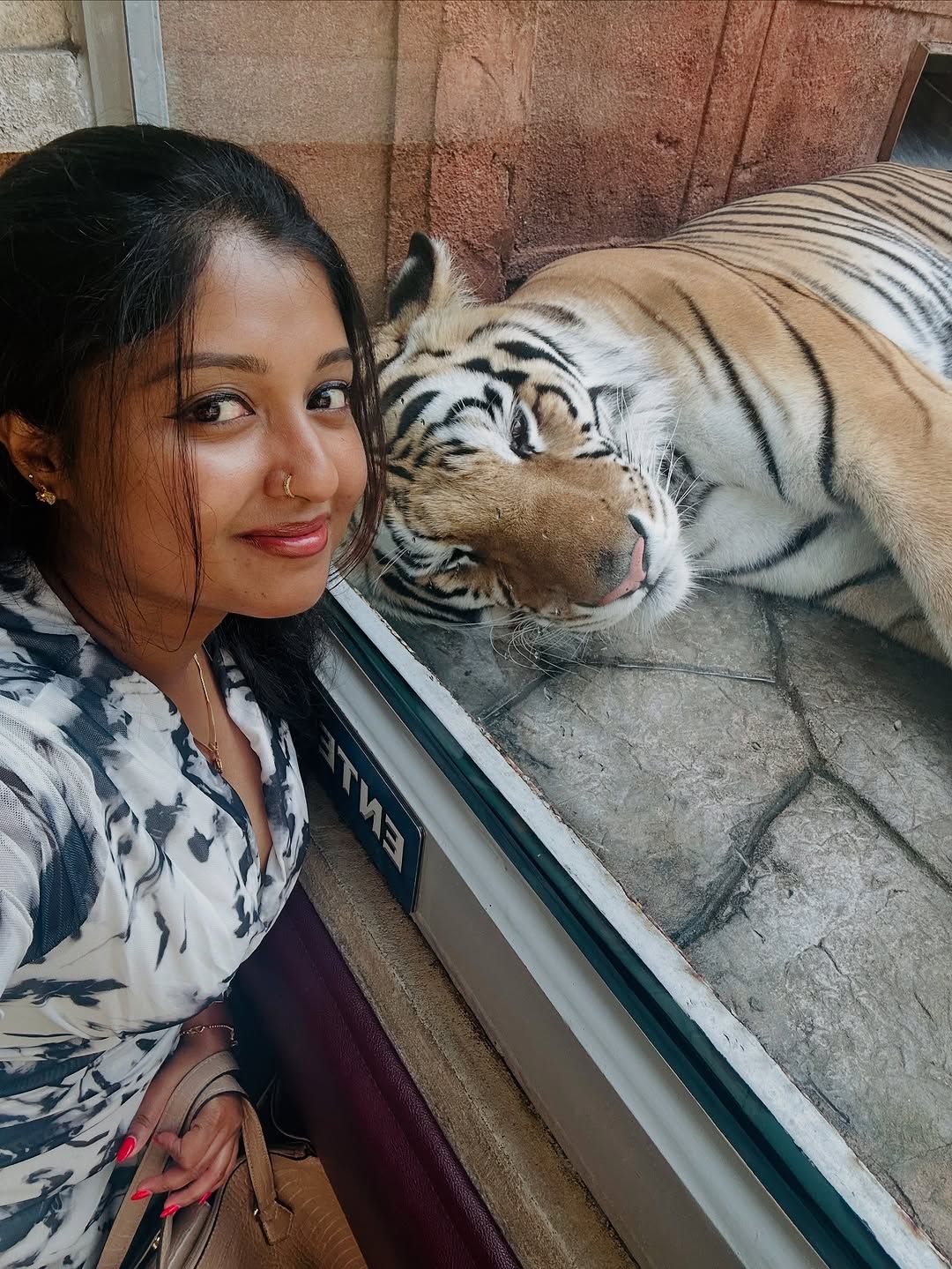
- The Concept of "Besties for the Resties" in Animal Interaction
- The Role of Zoos in Animal Welfare and Conservation
- Effective Conservation Strategies and their Impact
- The Importance of Educational Programs in Zoos
- Community Involvement and the Future of Wildlife Conservation
"Besties for the Resties!" captures the essence of how animals in captive settings can form meaningful bonds with one another, exhibiting relationships that mirror human friendships. This concept highlights not only the emotional depth of animal interactions but also illustrates critical principles related to animal behavior, welfare, and conservation. Understanding these dynamics is crucial for advancing modern zoological practices.
Animal interactions within zoos often reflect their social behaviors in the wild. For instance, some species, such as elephants and certain primates, thrive in sociable environments. They form tight-knit groups that enhance their overall wellness. Maintaining social structures similar to those found in nature can lead to improved mental health, reduced stress levels, and greater longevity in captivity. Observations indicate that animals paired as "best friends" can exhibit behaviors such as grooming, playing, and cooperative foraging. These actions play pivotal roles in their psychological stability.
However, not all species adapt equally well to group living. For instance, solitary predators like big cats may prefer isolation. In these cases, it is vital for zoo professionals to monitor behavior closely. The mismatch between their social needs and habitat can lead to stress and aggression. Therefore, understanding the social structures of various species is critical for developing enclosure designs that promote animal well-being.
Zoos play an essential role in wildlife conservation and animal welfare. The modern zoo serves as a safe haven for many endangered species, fostering breeding programs that contribute to population increases in the wild. Unlike traditional perceptions of zoos as mere entertainment venues, current trends prioritize ethical standards and conservation efforts. This focus goes hand-in-hand with the "Besties for the Resties" philosophy, as nurturing bonds between animals can lead to successful breeding and improved outcomes when re-introducing animals back into their natural habitats.
Successful breeding programs often employ genetic strategies that create a diverse gene pool. These strategies can help ensure that populations in captivity can thrive once they are released. For example, the role of zoos in preserving the genetic lineage of the Amur leopard, one of the world’s most endangered big cats, demonstrates the critical link between animal behavior, conservation, and genetic diversity. These programs are often transparent, engaging public interest, and emphasizing the necessity of preserving all facets of biodiversity.
Educational initiatives in zoos serve multiple purposes, including raising awareness about conservation efforts. Programs often target various audiences, from school groups to adults, promoting conservation messages through engaging experiences. Interactive activities, such as animal encounters and informative sessions led by knowledgeable staff, allow visitors to form emotional connections with animals. Such familiarity with wildlife fosters a deeper understanding of the challenges these species face. As attendees learn about habitat destruction, climate change, and poaching, they are encouraged to become advocates for conservation in their everyday lives.
Moreover, educational programs can emphasize the importance of "Besties for the Resties" by showcasing the social interactions of animals. Presentations about bonded animals, such as parrots or meerkats, highlight the intricate social structures these species maintain. By sharing stories of animal friendships, zoos foster empathy and stewardship, inspiring individuals to take action for wildlife protection.
Another vital component in wildlife preservation is community involvement. Local engagement contributes significantly to the effectiveness of zoos in conservation efforts. Many zoos collaborate with community organizations on habitat restoration projects and species monitoring programs. Involving residents not only educates them about local wildlife but also fosters a sense of ownership over their environment. People become active participants, transforming from passive observers to conservation stakeholders.
For example, successful initiatives have included tree planting days, where community members work together to restore habitats. These events not only assist local ecosystems but also reinforce the bonds among community members. Simultaneously, they create awareness about the importance of biodiversity. The concept of "Besties for the Resties" mirrors these community efforts, reminding us that interconnections foster resilience, whether among animals or people.
The integration of technology in zoological practices has also played a role in furthering conservation goals. Advanced tracking systems and camera traps enhance our understanding of animal behavior both in captivity and in the wild. These innovations allow researchers to monitor social interactions, which can inform breeding programs and reintroduction strategies. This collected data serves as a sharp tool for wildlife management, demonstrating the link between animal welfare and conservation outcomes.
Policies governing zoos have evolved significantly over the decades. Regulations now mandate stricter animal welfare standards. The public is increasingly demanding transparency regarding how animals are treated and how funds are allocated towards conservation projects. This shift in perspective underscores the growing awareness about the ethical responsibilities of zoos. As communities become more engaged with their local wildlife institutions, the expectations for animal welfare sharpen. This is where the concept of "Besties for the Resties" enriches our pursuit: highlighting the quality of life for animals in care can lead to support for broader conservation initiatives.
The unique interdependencies that form in animal social structures can also serve as metaphors for human relationships. Just as animals depend on one another for social enrichment, humans can learn about the importance of community and connection. This perspective highlights the broader implication of conservation— that it is not just about protecting species but fostering a culture that values interconnectedness.
In summary, the idea of "Besties for the Resties!" emphasizes the intricate relationships between animals within zoological settings. It aligns with current conservation practices, emphasizing the importance of animal welfare and community involvement. The role of zoos extends beyond entertainment; they act as essential players in the complex framework of wildlife preservation. Through education, technology, and collaboration with the public, zoos can contribute significantly to a sustainable future for both animals and humans.
Understanding these dynamics is crucial for anyone interested in the fields of zoology, wildlife management, or conservation. Engaging with the concept of "Besties for the Resties" encourages deeper reflections on our responsibilities toward fellow creatures and the ecosystems they inhabit.
*****
Source Description
Besties for the resties! ❤️🐅
📸: @arunimachembodil
