
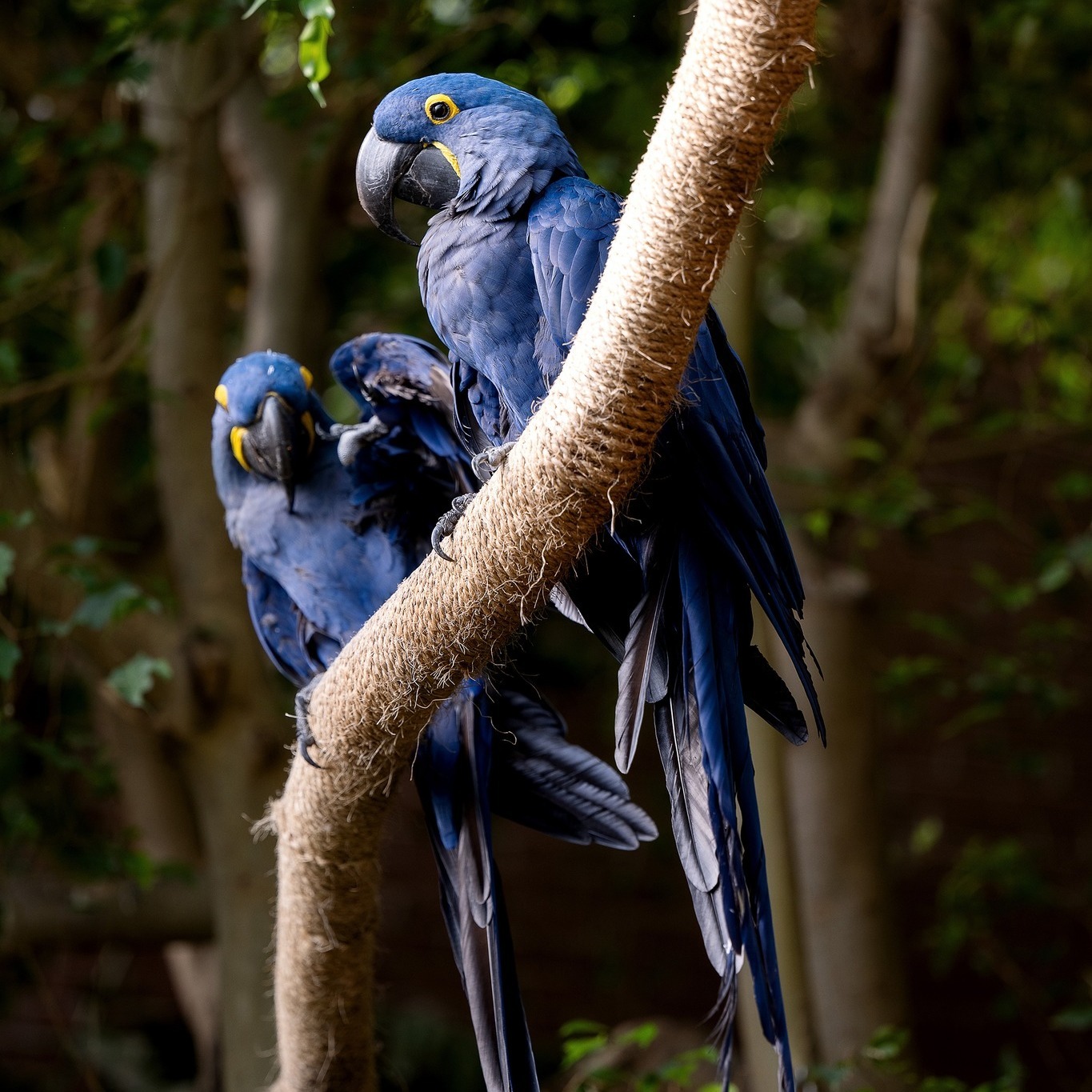
- Overview of the Night in the Tropics event and its significance
- The importance of avian species in ecosystems and their conservation
- Zoo management practices that promote wildlife welfare
- Community engagement and fundraising efforts in wildlife conservation
- The role of UPMC Health Plan in supporting environmental initiatives
Night in the Tropics is not just an entertaining evening; it’s a significant event highlighting global efforts in wildlife conservation. This fundraiser, proudly presented by UPMC Health Plan, serves as a platform for promoting the value of avian species in their ecosystems and the broader implications of their conservation. The event is scheduled for tomorrow, and its preparations have made today a closure day for the zoo. Understanding the critical role of this event sheds light on both the specific needs of bird populations and the zoo’s engagement in protecting biodiversity.
Avian species play an indispensable role in maintaining the balance of ecosystems. Birds contribute in numerous ways, from pest control and pollination to seed dispersal. Many birds, such as hummingbirds, are vital pollinators for various plant species. Their feeding habits facilitate plant reproduction, directly impacting food sources for other species, including humans. The extinction or decline of any avian species could lead to changes in plant communities and, subsequently, the entire ecosystem.
Unfortunately, many bird populations face threats from habitat loss, climate change, and pollution. Notably, deforestation continues to pose a significant risk to numerous species. As natural habitats disappear, birds lose their nesting and feeding grounds, leading to declines in population. The role of events like Night in the Tropics is crucial in raising awareness and funding to combat these issues. By shining a spotlight on bird conservation, the event educates the public and gathers support for much-needed conservation initiatives.
Zoo management practices play a crucial role in the welfare of birds and other wildlife. Modern zoos prioritize not just the display of animals, but their care and rehabilitation. This commitment extends to creating enriching environments that mimic natural habitats. For avian species, this involves understanding their specific needs for space, social interaction, and stimulation. Providing such an environment facilitates natural behaviors, which is essential for their mental and physical health.
Moreover, zoos often participate in breeding programs aimed at preventing species extinction. They form collaborative relationships with wildlife organizations to exchange genetic material and manage populations. These efforts are critical for species classified as endangered or vulnerable in the wild. Successful breeding programs have seen the revival of several bird species that were on the brink of extinction. The gathering of data and research from these efforts provides valuable insights into avian welfare and conservation strategies.
Community engagement is a fundamental aspect of wildlife conservation. Events like Night in the Tropics bring people together to support avian conservation efforts. By participating in fundraising activities, attendees contribute to vital programs that benefit both local and global wildlife initiatives. Community events foster a sense of responsibility and ownership toward natural habitats. They encourage individuals to become advocates for environmental preservation.
UPMC Health Plan’s role in supporting these initiatives underscores a growing recognition of the interconnectedness of health and the environment. Healthcare providers increasingly acknowledge that a healthy ecosystem contributes to overall human health. By sponsoring events like Night in the Tropics, UPMC Health Plan not only promotes wildlife conservation but also encourages a healthier community. Financial contributions from corporate sponsors help fund research projects, educational programs, and conservation efforts.
Community members who attend Night in the Tropics can gain valuable insights into the threats birds face and the efforts being made to safeguard them. Through interactive exhibits and expert talks, attendees can learn about local avian species, their habitats, and conservation strategies. This knowledge enables participants to become stewards of their environment. Making informed choices about their own ecological footprints becomes a priority.
The event is a celebration of avian life, showcasing various bird species both exotic and native. Attendees can expect to experience the vibrant colors and sounds of tropical birds, which can inspire a greater appreciation for wildlife. Live demonstrations, educational sessions, and chances to engage with bird experts present an opportunity for learning. These experiences can spark interest in avian conservation among all age groups.
Planning for events like Night in the Tropics requires attention to detail and a focus on logistics. The staff works diligently to fulfill various roles—from organizing educational materials to setting up interactive exhibits. Each member contributes to creating an engaging environment for guests. Such meticulous planning is crucial for the success of the event, ensuring that every aspect is aligned with its mission of conservation.
Beyond the immediate event, the impacts of such efforts can be far-reaching. Funds raised support educational outreach programs in schools that aim to teach students about local ecosystems and the importance of protecting wildlife. Empowering the next generation with knowledge equips them to be responsible guardians of the natural world. Conservation education fosters a culture of respect toward wild species and habitats.
The integration of technology into wildlife conservation cannot be overlooked. Many organizations utilize tracking devices and cameras to monitor avian populations. This data collection aids in understanding migration patterns, nesting behaviors, and habitats. By identifying areas of concern, conservationists can implement targeted actions to address specific threats. Night in the Tropics may also feature technologies used in avian research, providing guests with a window into the latest developments in the field.
Additionally, partnerships with universities and research institutes create gateways for ongoing research in zoology and wildlife conservation. Collaborative studies often focus on avian health, genetic diversity, and behaviors that inform management practices. This scientific foundation is vital for effective conservation strategies that are adaptable to changing environmental conditions. Engaging experts in these areas provides a comprehensive understanding of the complexities facing avian species.
The economic impact of wildlife conservation is another important factor that gets attention during events like Night in the Tropics. Healthy bird populations contribute to eco-tourism and local economies. Birdwatching, for instance, attracts millions of enthusiasts each year, generating revenue for communities that support natural habitats. Promoting sustainable practices ensures that these economic benefits continue, contributing to both conservation efforts and community wealth.
As the evening approaches, excitement builds for Night in the Tropics. The chance to immerse oneself in a vibrant celebration of avian life draws participants from various backgrounds. It’s more than a fundraising event; it’s an opportunity to reflect on the collective responsibility toward wildlife. The community’s involvement signifies a commitment to preserving nature for future generations.
In the end, the significance of events like Night in the Tropics, presented by UPMC Health Plan, cannot be understated. They bridge the gap between awareness, education, and action in wildlife conservation. By emphasizing the importance of avian species, these gatherings inspire attendees to take part in the ongoing efforts to protect biodiversity. Each contribution, no matter how small, adds to the larger collective impact that ensures a future where wildlife can thrive.
*****
Source Description
Bird is CERTAINLY the word while we prep for Night in the Tropics Presented by @upmchealthplan happening TOMORROW! 🦜🦉🐧
Please note: We’re closed TODAY, Thursday, July 10, and Friday, July 11, as we prepare for our largest annual fundraiser.
