
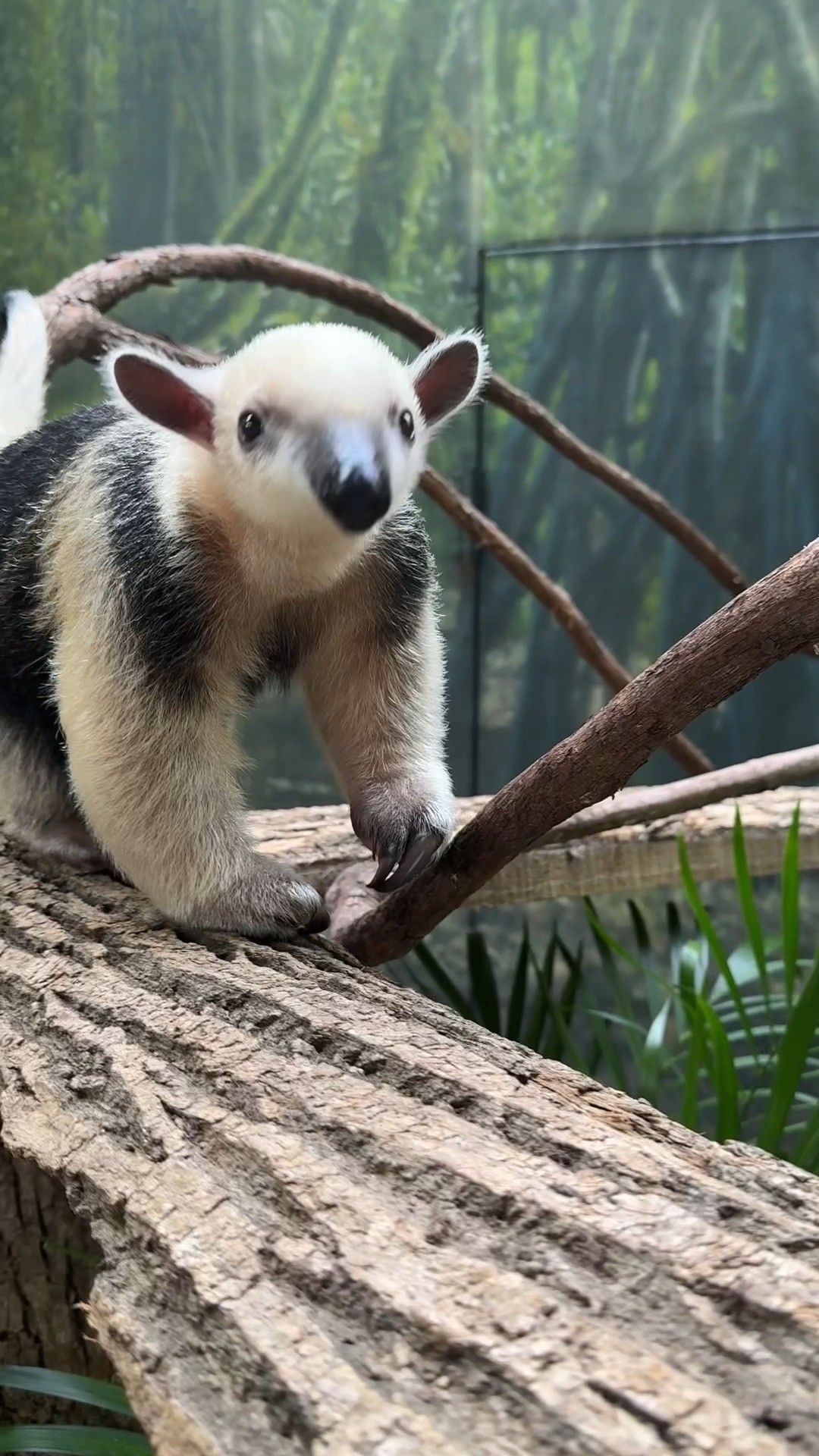
- Southern tamanduas possess remarkable climbing abilities with their prehensile tails and strong claws.
- Their arboreal lifestyle impacts their feeding, foraging, and reproduction.
- Habitat and conservation status highlight the importance of protecting southern tamanduas.
- Understanding their role in ecosystems contributes to better wildlife management practices.
- Observing Valentina demonstrates the skills necessary for survival among these fascinating animals.
Southern tamanduas (Tamandua tetradactyla) are fascinating creatures native to Central and South America. These mammals are specially adapted to an arboreal lifestyle, which signifies that they spend a substantial portion of their lives in trees. One of the most notable features of southern tamanduas is their long, prehensile tail. This flexible appendage helps them balance while climbing and provides support as they navigate through the branches. Along with their strong claws, these animals can easily grip tree trunks and branches, making them adept climbers.
Valentina, a southern tamandua, is an excellent example of this prowess. When you observe Valentina showing off her climbing abilities, it is not merely an exhibition; it’s a demonstration of skills essential for survival. Her ability to traverse the treetops allows her to access food, evade predators, and find suitable nesting sites. This adaptation is vital for her species, which primarily consumes ants and termites found in tree hollows.
The southern tamandua’s claws are specifically designed for digging into wood, enabling them to extract these insects effectively. Their diet primarily consists of invertebrates, supplemented by some plant material, which necessitates a highly specialized feeding strategy. In the canopy, Valentina expertly works to strip bark from trees, showcasing a skill that southern tamanduas have honed over generations.
In addition to their remarkable physical abilities, southern tamanduas exhibit some interesting behavioral traits. For instance, they are mostly nocturnal, engaging in activities such as foraging and climbing during the night. This behavior helps them avoid many predators that are active during the day. When you watch Valentina, you can see her swift, calculated movements as she confidently maneuvers through the branches, using her tail to maintain balance while reaching for her meals.
Examining their habitat, southern tamanduas thrive in tropical rainforests, woodlands, and savanna environments. These areas provide them with ample food sources and safe nesting locations. The destruction of these habitats poses a significant threat to their populations. However, organizations focused on wildlife conservation are working to protect areas critical to these species, illustrating the link between habitat preservation and species survival.
Southern tamanduas play a crucial role within their ecosystems as well. As insectivores, they help control insect populations. Their foraging activities contribute to nutrient cycling within their habitats. By reducing the number of ants and termites, they aid plant health indirectly, supporting the ecosystem’s balance. Watching how Valentina interacts with her environment provides valuable insight into these complex relationships.
The conservation status of southern tamanduas is a topic of concern. While not currently listed as endangered, their populations are susceptible to habitat loss due to deforestation and land development. Efforts are underway to promote sustainable forestry practices and habitat protection, assisting in maintaining healthy ecosystems for these unique animals. Engaging local communities through educational programs enhances awareness about the significance of preserving the tamandua’s natural habitats.
Valentina’s climbing skills also reflect the adaptability of southern tamanduas to evolving environmental conditions. As their habitats change, these animals must develop innovative techniques to thrive. They often exhibit a remarkable degree of flexibility in their behavior, allowing them to adjust to new challenges. This adaptability is an essential aspect of their survival strategy. Observing Valentina navigate her surroundings offers a glimpse into how these animals respond to their environment actively.
The climbing skills of southern tamanduas are honed from a young age. They are born in trees and spend their formative days learning to climb and forage. Maternal care is vital; mothers will guide their young while climbing, teaching them essential routines for survival. Young tamanduas develop their skills in a secure environment, gradually gaining independence. They rely on their physical abilities to find food, negotiate between branches, and evade threats as they grow.
Southern tamanduas are generally solitary, which impacts their reproductive behaviors. Mating generally occurs in the wet season, aligning with their food availability to maximize reproductive success. After a gestation period lasting about five months, females typically give birth to a single offspring. This low reproductive rate underscores the importance of conservation efforts, as each individual plays a significant role in maintaining population levels.
Understanding the lifecycle and behaviors of Valentina and her species enhances our knowledge of wildlife management strategies. It informs research aimed at mitigating the effects of habitat loss and other anthropogenic pressures on southern tamandua populations. The aim is to establish effective conservation protocols that maintain genetic diversity, thus ensuring the long-term survival of these remarkable animals.
Part of this effort includes fostering partnerships between conservationists, local communities, ecologists, and wildlife managers. Workshops and educational programs serve to raise awareness about the ecological significance of southern tamanduas. These initiatives promote responsible land use practices and emphasize the need for sustainable development strategies that allow both human and wildlife populations to flourish.
Valentina’s climbing feats resonate particularly well with those who visit zoos or wildlife sanctuaries. Observers often marvel at her agility and grace, sparking curiosity about tamanduas. Zookeepers play a significant role in educating the public about these animals, emphasizing their natural behaviors and the threats they face in the wild. For many, watching Valentina climb is not only entertaining but also an opportunity to learn about the importance of preserving biodiversity.
In summary, Valentina’s climbing skills illuminate the remarkable physiological and behavioral traits of southern tamanduas. Their unique adaptations enable them to thrive in their arboreal habitats while contributing to the rich tapestry of their ecosystems. Conservation efforts centered on these species are crucial for maintaining ecological balance and safeguarding their future.
As individuals like Valentina continue to showcase their climbing capabilities, they inspire a broader appreciation for wildlife and the natural world, emphasizing the need for informed stewardship over our environment. Understanding and valuing such creatures enhances our connection to nature and our commitment to preserving it for generations to come.
*****
Source Description
Valentina is showing off her climbing skills 😍
Southern tamanduas are arboreal, using their long prehensile tails and strong claws to navigate the treetops with ease.
