
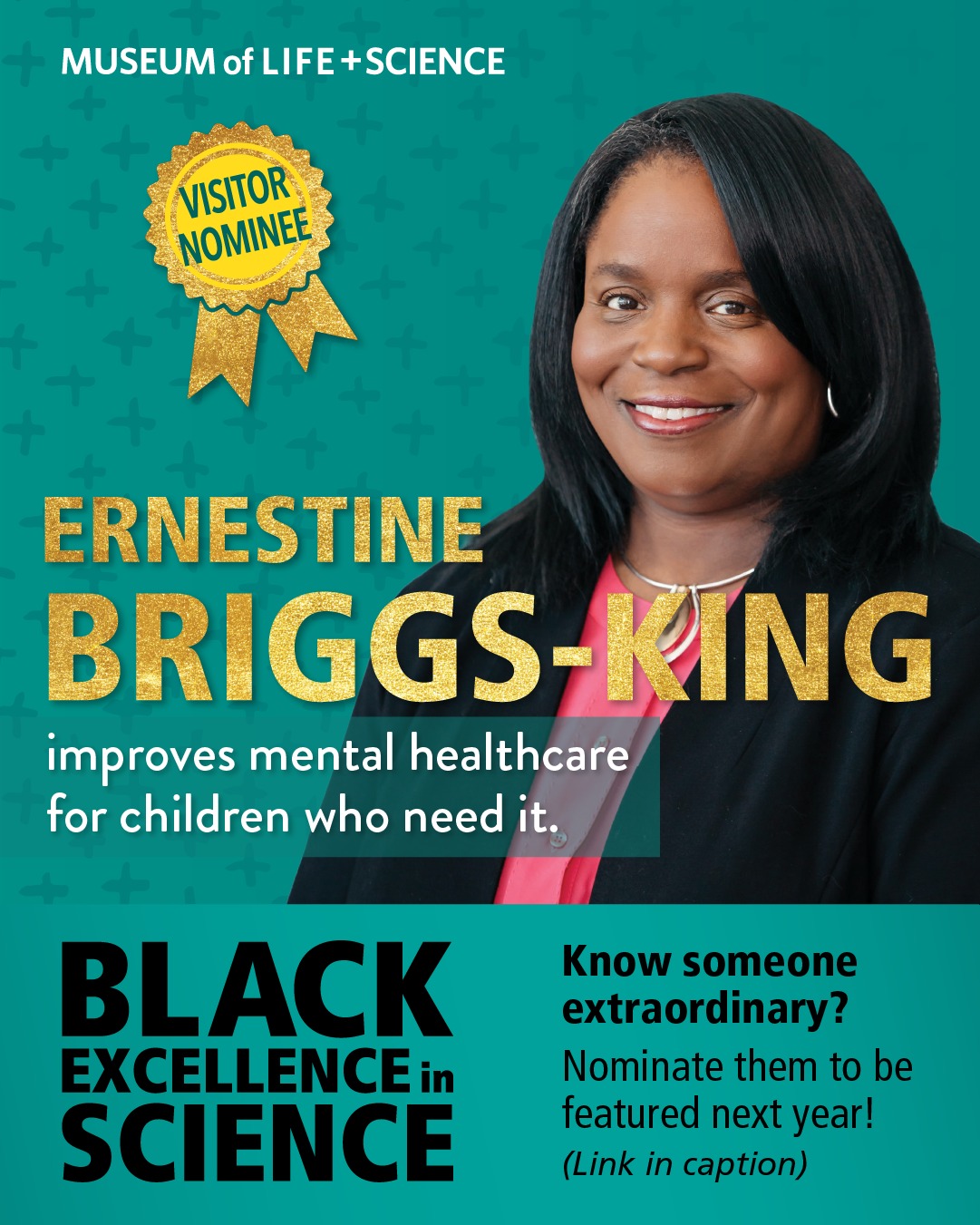
- The importance of recognizing Black excellence in science and technology.
- Contributions of Black scientists and STEM professionals in the Triangle area.
- Spotlight on notable figures in the local STEM community.
- Intersections of science, technology, engineering, mathematics, and social justice.
- Future directions for Black scientists in STEM and how local events foster engagement.
Celebrating Black excellence in science and technology serves as a vital reminder of the contributions made by underrepresented groups. This recognition goes beyond individual accomplishments; it acts as a vehicle for community empowerment and inspiration. Events like the Black Excellence in Science event contribute to honoring these achievements while encouraging a new generation to explore careers in science, technology, engineering, and mathematics (STEM). In the Triangle area, a wealth of talent exists that is often overlooked. Recognizing this talent is essential for broader societal progress.
Black scientists and STEM professionals in the Triangle area work across diverse fields including biology, chemistry, engineering, and data science. In biotechnology, for instance, new discoveries are pushing boundaries to create more effective medical treatments. Environmental scientists are also making significant strides by implementing sustainable practices and advocating for eco-friendly policies. The presence of Historically Black Colleges and Universities (HBCUs) in the region adds to the rich tapestry of innovation and talent, ensuring that diverse voices get amplified.
Highlighting notable local figures in STEM furthers the mission of inspiring others. Many Black scientists lead groundbreaking research or contribute vital perspectives to public policy. Take Dr. Roderick Lee, for example. He is a well-respected biologist whose work focuses on genetics and biodiversity. His research not only elevates the discourse about species conservation but also sheds light on representation within the scientific community. Similarly, Dr. Chandra L. Jackson has made outstanding contributions in the field of public health, particularly in addressing health disparities within marginalized communities. Recognizing such individuals paves the way for others to chart their paths in STEM disciplines.
The intersection of social justice and STEM is increasingly gaining attention. Historically, scientific advancements have sometimes ignored ethical implications, particularly concerning marginalized communities. Today, many Black scientists advocate for socially responsible practices. This advocacy often centers around issues like environmental justice, which seeks to eliminate the disparities in environmental burdens that affect different demographic groups. By marrying science with social responsibility, these professionals are redefining what it means to serve the community.
The future of Black scientists in the Triangle looks promising. Events like the annual Black Excellence in Science celebration not only honor past achievements but also inspire future generations. They create a platform where young scholars can see their potential reflected in successful role models. Universities and organizations are increasingly offering scholarships and fellowships aimed specifically at supporting Black students in STEM. Networking opportunities at these events encourage collaboration that can lead to innovative projects and venture development.
Moreover, local outreach programs are fostering curiosity in the sciences among youth. By engaging young people through workshops, science fairs, and mentorship programs, these initiatives create a pipeline for talent that benefits everyone. They highlight the importance of diversity in scientific research, ensuring that the voices of all communities are heard.
Integrating these communities into broader scientific conversations promotes an inclusive environment where innovation can thrive. Instead of simply addressing the gaps in representation, educators and policymakers must actively work to bridge them. By implementing curriculum changes in schools and increasing funding for STEM programs in minority communities, we can cultivate a new generation of scientists who reflect the rich diversity of our society.
As part of the Hall of Black Excellence, individuals can nominate outstanding scientists and STEM professionals for their contributions. This recognition serves as a powerful tool for motivation, pushing peers to excel while also affirming the critical nature of diversity in these fields. Nominations encourage community involvement and demonstrate that anyone can be a catalyst for change. Local initiatives are paving the way for new milestones in science, allowing voices often excluded from the table to finally be heard.
Furthermore, public awareness of the importance of Black excellence in STEM is growing. Increased visibility through media coverage, social media campaigns, and community events help shine a spotlight on the work being done by local Black scientists and STEM professionals. This shift is vital; breaking down stereotypes surrounding who can be a scientist adds legitimacy to their roles. It cultivates an inspiring narrative about achievement and possibility.
Educational institutions play a crucial role in this evolution. By fostering environments that prioritize inclusion, universities can significantly impact future STEM leaders. Programs focused on Black and minority students, such as summer research internships, empower them with skill sets that equip them for success. Engaging in hands-on experiences offers students practical knowledge that is often missing from traditional classroom settings. This real-world application is essential for retention and success in STEM fields.
Another essential aspect is mentorship. Connecting aspiring STEM professionals with established leaders in their fields provides the support necessary for navigating complex career paths. Targeted mentorship initiatives bridge the gap between aspiring scientists and seasoned professionals, creating a robust support system that encourages growth and resilience. This relationship can also lead to collaborations on innovative projects that tackle pressing global challenges, further solidifying the role of diverse voices in scientific advancements.
In addition to collaboration and networking, local organizations are increasingly offering workshops, seminars, and panels designed to tackle issues affecting the scientific community. Topics may range from the ethics of genetic research to the importance of sustainable practices in environmental science. Such discussions foster critical thinking among participants, encouraging them to view their work through various lenses.
The Triangle area is rapidly becoming a hub for innovation. Organizations dedicated to fostering Black excellence in STEM are emerging, offering resources, funding, and training. These efforts are vital in creating equitable opportunities for all. The ripple effect of these initiatives will undoubtedly lead to future breakthroughs in scientific research and management. Each conversation about Black excellence in science strengthens the foundation for future discoveries, setting the tone for a more inclusive approach in various fields.
Looking forward, sustaining this momentum will be a collective effort. Communities need to rally around educational initiatives, fund programs that bolster diversity, and advocate for ethical practices in research. Engaging parents and families in conversations about the value of STEM further enhances the journey toward inclusivity. By acknowledging the achievements of Black scientists today, we lay a foundation for future leaders.
The annual Black Excellence in Science event is a pivotal aspect of this journey. Not only does it celebrate current achievements, but it also cultivates enthusiasm for future endeavors among youth. Providing a platform for discussion about pressing issues in STEM encourages community engagement in ways that are both meaningful and impactful. It inspires attendees to envision themselves in these roles, driving them to pursue their passions without reservation.
This event is also an opportunity for local foundations to invest in future talent, thus maintaining the cycle of support and representation. As community stakeholders join the conversation, they strengthen the foundation for diverse participation in STEM. A commitment to the advancement of Black excellence in the Triangle signifies a larger movement toward equitable representation in all sectors.
Exploring the contributions of local Black scientists and STEM professionals not only recognizes their hard work but also sets the stage for future generations. Their stories and successes inspire fundamental change within academic institutions, research facilities, and other sectors. A commitment to diversity is essential for robust scientific advancement and community well-being.
Encouraging participation in events like Black Excellence in Science brings visibility and inspires. For young people, witnessing Black excellence in action empowers them to believe in their potential. Collectively, these efforts direct the conversation toward a more diverse and equitable future in STEM, benefiting society as a whole.
*****
Source Description
All around the Triangle, Black scientists and STEM professionals are doing extraordinary work! 🔬
As part of our annual Black Excellence in Science event, the Hall of Black Excellence honors those leaders’ achievements.
Learn more about these and other local Black STEM professionals at Black Excellence in Science on Saturday, February 7, from 10 am – 4 pm!
Want to nominate someone for next year’s Hall of Black Excellence? You can do that at the link in our bio.
