
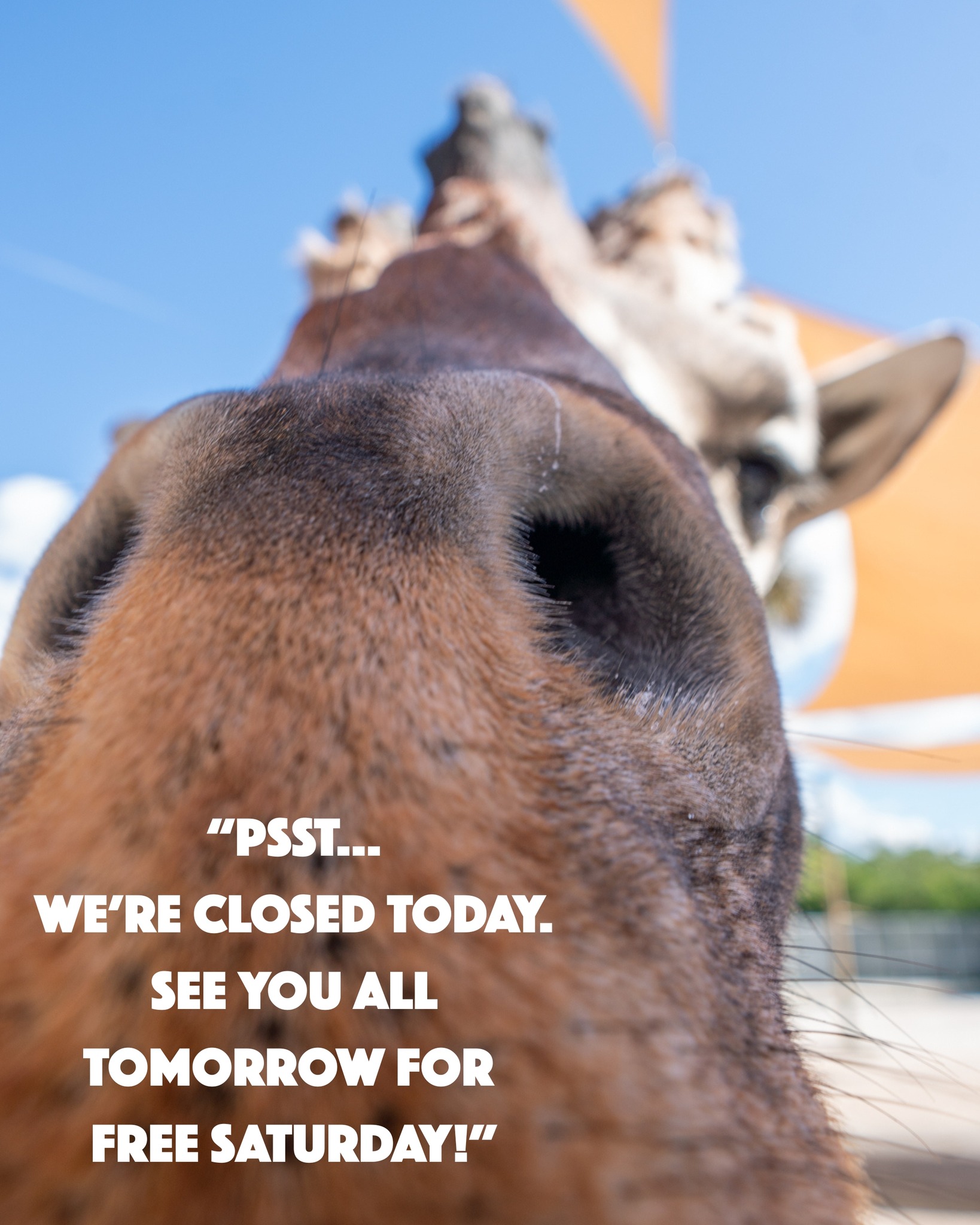
- Understanding the importance of zoo closures for animal welfare
- Exploring free admission initiatives and their impact on local communities
- Examining the role of zoos in wildlife conservation
- Delving into public engagement through educational programs
- Highlighting the significance of responsible zoo management
Zoo closures, like the one announced by Bruehler, serve a greater purpose than many realize. While it may seem inconvenient to visitors, these pauses in operations prioritize animal welfare. Modern zoos have evolved from mere displays of wildlife to institutions that emphasize the ethical treatment of animals. When a zoo closes, it provides staff the opportunity to conduct essential health checks, enrich animal habitats, and ensure overall welfare standards are upheld. Animal exhibits are closely monitored, and closed periods allow for maintenance and improvements that benefit both animals and visitors. Health assessments can lead to early detection of illnesses, which can be critical in managing the well-being of a population.
A key aspect of Bruehler’s announcement is the inclusion of “FREE Saturday for all Collier County residents” upon reopening. Free admission initiatives are vital for breaking down financial barriers that can limit access to educational experiences in zoos. Families with lower incomes often miss out on these opportunities to learn about wildlife and conservation. By offering complimentary admission, the zoo fosters inclusivity and invites a diverse audience. This approach not only supports the local community but also encourages people to engage with wildlife. Visitors from different backgrounds bring varied perspectives, enriching the overall experience for everyone.
It’s important to acknowledge the role that zoos play in wildlife conservation efforts. Many species face extinction due to habitat destruction, climate change, and poaching. Zoos serve as safe havens for endangered animals, contributing to breeding programs aimed at population recovery. For instance, species like the California condor and the Arabian oryx received critical support through zoo-based breeding efforts. These initiatives often involve collaboration among various zoological institutions, sharing genetic material and expertise to maximize the chances of successful reintroduction into the wild.
Education is another cornerstone of modern zoo philosophy. Educational programs are designed to inform the public about conservation issues and the animals themselves. They help cultivate a sense of responsibility and awareness among visitors. Bruehler’s announcement indirectly highlights how zoos use these closures as starting points to refresh and develop educational materials. After a closure, new programs are often rolled out to provide deeper insights into animal behavior, habitat, and conservation topics. Engaging talks, interactive exhibits, and virtual learning experiences broaden the educational reach, allowing individuals of all ages to gain valuable knowledge.
Zoo management is essential for ensuring a successful operational model that prioritizes animal welfare, education, and conservation. Skilled management teams evaluate best practices for animal care, handle logistics for free admission events, and continuously seek feedback from the community. Their role extends beyond simply overseeing daily activities; they must also strategize long-term goals that align financial sustainability with conservation initiatives. Additionally, effective communication is crucial, especially when announcing closures like the one from Bruehler. Clear messaging helps maintain public trust and engagement, encouraging visitors to return and participate in conservation efforts.
A well-managed zoo operates within specific guidelines and ethical frameworks that govern animal care and conservation. Animal habitats are designed to mimic natural environments, providing opportunities for animals to exhibit natural behaviors. This practice not only enhances the quality of life for animals but also enriches the visitor experience. Educational signage throughout the exhibits promotes awareness of each species and the challenges they face in their natural habitats. By emphasizing the interconnectedness of all species, zoos can advocate for global conservation efforts.
Engagement opportunities abound for communities, especially during free admission days. Special events and activities designed for children and adults alike can offer immersive experiences. Crafts, talks from veterinarians, and guided tours provide additional layers of education and interaction. Furthermore, these initiatives can inspire young visitors to consider careers in zoology, veterinary sciences, or environmental management. Encouraging the next generation of conservationists is a vital aspect of the zoo’s mission and can lead to long-term positive outcomes for wildlife and habitats.
The economic impact of zoos also warrants attention, particularly during times of closure. While a temporary shutdown might seem financially detrimental, reopening with free admission campaigns stimulates economic activity within the community. Restaurants, shops, and local attractions often benefit as visitors will likely plan multi-faceted outings. Closures can also provide an opportunity to train staff, implement new exhibits, or revamp existing ones, ensuring a more enriching experience upon reopening. This long-term planning is instrumental in maintaining community interest and involvement.
Another significant aspect of the zoo’s approach is collaboration with wildlife and conservation organizations. Partnerships with nonprofits and academic institutions enhance research capabilities and expand conservation efforts. Zoos frequently act as ambassadors for wildlife, rallying support for conservation campaigns and initiatives focused on habitat preservation. Efforts to fundraise and educate the public align with their mission and further demonstrate the correlation between zoos and broader environmental stewardship.
Animal welfare remains at the forefront of all zoo management decisions. Care teams are rigorously trained to recognize signs of stress or illness. Regular assessments involving veterinarians and animal behaviorists help inform individual care plans tailored to each animal’s needs. A closed zoo may implement behavioral enrichment activities that stimulate mental engagement, which is crucial for species that might otherwise display signs of stress in captivity.
Additionally, new technologies are increasingly being integrated into zoo operations, constituting significant advancements in both animal care and guest interaction. For instance, virtual reality experiences create simulacra of natural habitats that allow zoo-goers to “experience” wildlife in their natural settings. These innovations make educational outreach more engaging and relevant to modern audiences.
Conservation initiatives aren’t limited to animal exhibits alone; they often encompass habitat restoration projects and public awareness campaigns. Zoos can mobilize community members to participate in local conservation efforts, such as habitat clean-ups or tree-planting events. By incorporating hands-on experiences, zoos encourage locals to forge a connection with their environment.
The philosophies underlying modern zoo management challenge the traditional view of zoos as mere entertainment venues. Instead, they focus on creating a holistic ecosystem. The closure reminders from Bruehler serve not only as announcements but as calls to action regarding the importance of wildlife conservation and animal welfare.
Through effective communication and community engagement, zoos can work towards fostering public understanding of the complex needs of species in both captivity and the wild. Bruehler’s message prompts reflection on the interconnected roles zoos play in conservation, education, economic impact, and animal welfare.
With forthcoming closures and free admission opportunities, it’s a time to appreciate what modern zoos have become. They advocate for the welfare of animals, offer vital education, and push for conservation efforts that span far beyond their physical boundaries. Encouraging visitors to return and engage again ensures that the vital work of these institutions continues, positively affecting both local communities and global conservation efforts. This cycle of education, engagement, and action nurtures a culture of responsibility for wildlife and habitats that extends far beyond the confines of their enclosures. Keeping these discussions alive ensures awareness and commitment, which are essential for the future of our planet’s biodiversity.
*****
Source Description
Bruehler is here to remind you that the Zoo will be closed today, but we’ll reopen tomorrow for FREE Saturday for all Collier County residents!
