
- Importance of Enrichment for Zoo Animals
- The Role of Ice Cubes in Animal Care on Hot Days
- Otters: Behavior and Enrichment Needs
- Strategies for Keeping Zoo Animals Cool
- Conservation and Public Engagement with Animal Welfare
Enrichment is vital for the well-being of zoo animals. It plays a significant role in promoting natural behaviors and enhancing their quality of life. Notably, activities such as bobbing for ice cubes provide mental and physical stimulation. It is crucial to replicate natural challenges that animals would encounter in the wild. These exercises help prevent boredom and encourage problem-solving skills.
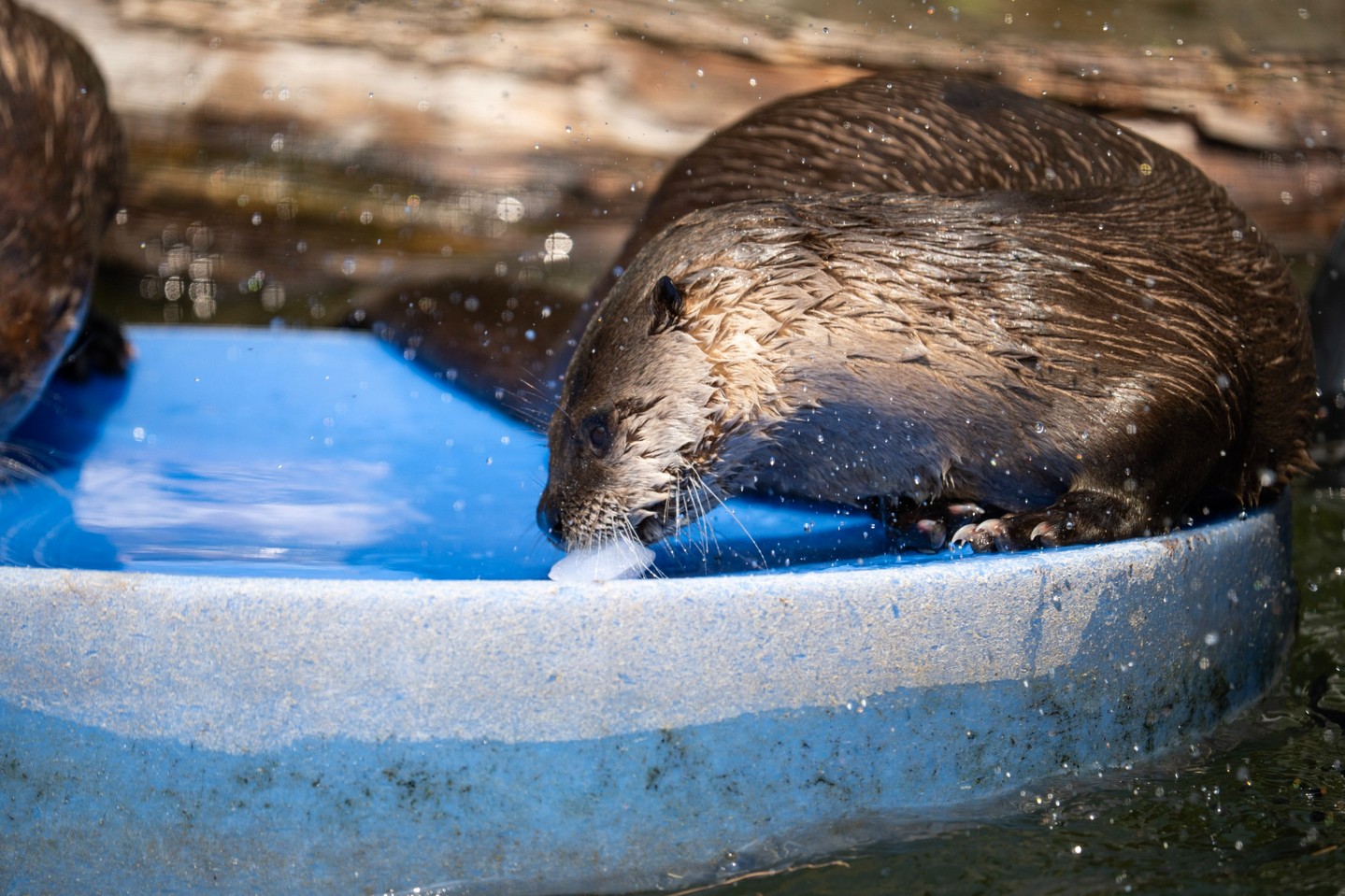
On hot summer days, keeping animals cool is essential. Ice cubes, especially, offer both hydration and a fun sensory experience. When you watch otters engaging with ice cubes, it’s evident that this activity is not just entertaining; it serves multiple purposes. Ice not only cools the water but also increases environmental variety. The melting ice maintains a comfortable temperature in their habitat, while the otters play and investigate.
Otters are naturally curious and intelligent creatures. They thrive when engaged in interactive activities that align with their strong social nature. Enrichment should stimulate their instinct to hunt, forage, and explore. Bobbing for ice cubes aligns well with these instincts. Otters will dive, toss, and interact with the floating ice, using their dexterous paws and agile movements.
Maintaining a comfortable environment for zoo animals goes beyond just providing shade. It’s essential to apply a multi-faceted approach to animal care. In addition to ice cubes, zoos might implement misting systems, shade structures, and water play areas. Each of these strategies aims to create a balanced habitat where animals can thrive during heat waves. Ice cubes serve as a simple, effective solution that can be easily integrated into daily animal care routines.
The connection between ice cubes and enrichment also encourages greater public engagement. Observing otters bobbing for ice cubes offers visitors insightful education about animal behavior. This interaction fosters a greater appreciation for wildlife and conservation efforts. It encourages the audience to better understand the complexities of animal care and the importance of providing enriching environments.
Engagement is enhanced when guests see animals exhibiting natural behaviors. Bobbing for ice cubes displays the playful and inquisitive nature of otters, providing educational opportunities. The audience learns not only about otter behaviors but also about their natural histories, habitats, and conservation statuses. Understanding these aspects helps foster a sense of stewardship over wildlife, emphasizing the importance of caring for natural habitats.
Zoos have a responsibility to create meaningful experiences for both animals and visitors. Incorporating enrichment activities, such as bobbing for ice cubes, illustrates a commitment to animal welfare. It also enriches the visitor experience, encouraging them to explore the relationship between animal well-being and conservation.
The concept of enrichment isn’t limited to physical activities like bobbing for ice cubes. It extends to various methods, including puzzle feeders, scent trails, and social play. These approaches help in replicating the dynamics found in the wild. For example, puzzle feeders require animals to manipulate objects to access food, mimicking the challenges they would face while foraging.
Different species have unique enrichment needs. For otters, interactive and sensory engagements are particularly effective. Their keen sense of touch and playfulness make activities like bobbing for ice cubes particularly successful. Engaging with ice cubes enables them to exhibit natural behaviors, such as diving and digging, while also enjoying a cool treat on a hot day.
Environmental management is another crucial consideration for zoos striving to maintain animal comfort during summer months. Every aspect of an animal’s habitat should be evaluated to provide optimal conditions. This includes assessing water quality, ensuring adequate shade, and providing access to cooler areas. Animals such as otters require not only cool water but also space to swim and play, providing necessary physical exercise.
In implementing cooling strategies, it is important to monitor the impact of these measures on animal behavior. Positive results can often be observed through enhanced activity levels and social interactions. Staff can track changes over time and adapt strategies based on observations. Continuous improvement ensures that the quality of care remains high.
Public awareness about the importance of animal welfare can also be increased through educational programming. Zoos have the ability to create impactful narratives that highlight not only the fun aspects of animal care but also the challenges. Programs that feature enrichment activities help foster a sense of connection to wildlife.
This connection often motivates individuals to become advocates for conservation causes. Bobbing for ice cubes can serve as a tangible example of how engaging with animals can lead to a greater understanding of their needs. By illustrating these activities to the public, zoos can create a more informed audience that supports wildlife preservation efforts.
Conservation issues are often intertwined with animal welfare. It is essential to create environments that are conducive to healthy animal behavior. Understanding the needs of various species leads to better conservation practices. Engaging with the public through activities like bobbing for ice cubes deepens interest in the larger goals of wildlife conservation.
The welfare of animals in captivity is not just a moral concern; it is also a scientific one. Studies show that enriched environments contribute to better physical health, lower stress levels, and more robust immune responses. Animals subjected to enriching activities, such as interacting with ice cubes, often demonstrate improved overall well-being.
Bobbing for ice cubes does not occur in isolation. It is part of a broad spectrum of practices aimed at enriching animal lives. By observing how animals interact with such enrichment, staff can gain insights into individual preferences and behaviors. Each animal is unique and may exhibit different responses to enrichment activities.
In determining the best enrichment methods, animal care staff utilize behavioral science principles. These principles guide their observations and help them create engaging environments for all species. Consideration of species-specific behaviors is crucial in crafting activities that promote psychological well-being.
As the seasons change, methods of enrichment will also need to adapt. Implementing different activities based on environmental conditions allows zoos to continually promote engagement. The use of ice cubes on hot days is just one example of this adaptive approach. Seasonal changes in enrichment strategies underscore the need to be observant and flexible.
The public can become familiar with these changes through zoo education programs. Learning opportunities concerning seasonal enrichment can help visitors understand the complexities of animal care throughout the year. Educated visitors are more likely to support zoo initiatives and advocate for wildlife conservation.
Bobbing for ice cubes is a fun and effective method for keeping otters cool during hot days. It fosters natural behaviors, enhances the public’s understanding of wildlife, and demonstrates the commitment to animal welfare. When zoos prioritize enrichment, they not only enhance the well-being of animals but also engage and educate the community. This contributes to a broader conversation about conservation and the importance of preserving natural habitats for all wildlife.
These strategies create shared experiences that connect visitors more deeply with animals and the conservation issues they face. It emphasizes our role in supporting wildlife preservation as a shared responsibility. By continuously innovating in animal care practices, zoos like ours set a standard for excellence in animal welfare and public engagement. Bobbing for ice cubes is just one delightful example of how we can keep our animal residents and ourselves cool during summer’s heat.
*****
Source Description
Bobbing for ice cubes = otter-ly fun enrichment on a hot day 🧊 💦
Follow the link in our bio to find out some of the ways we work to keep animals and guest cool on a toasty summer day!
