
Summary Bullet Points
- Amur tigers, the largest big cat species, face severe endangerment with fewer than 400 left in the wild.
- The significance of International Tiger Day highlights the need for conservation and awareness regarding tigers.
- The Not A Pet campaign addresses the exotic pet trade, aiming to curb illegal wildlife trafficking.
- Understanding tiger habitats and behaviors can foster deeper appreciation and advocacy for their survival.
- Engaging in local zoos’ initiatives can empower individuals to help protect these magnificent creatures.
Celebrating International Tiger Day: A Roaring Reminder for Conservation
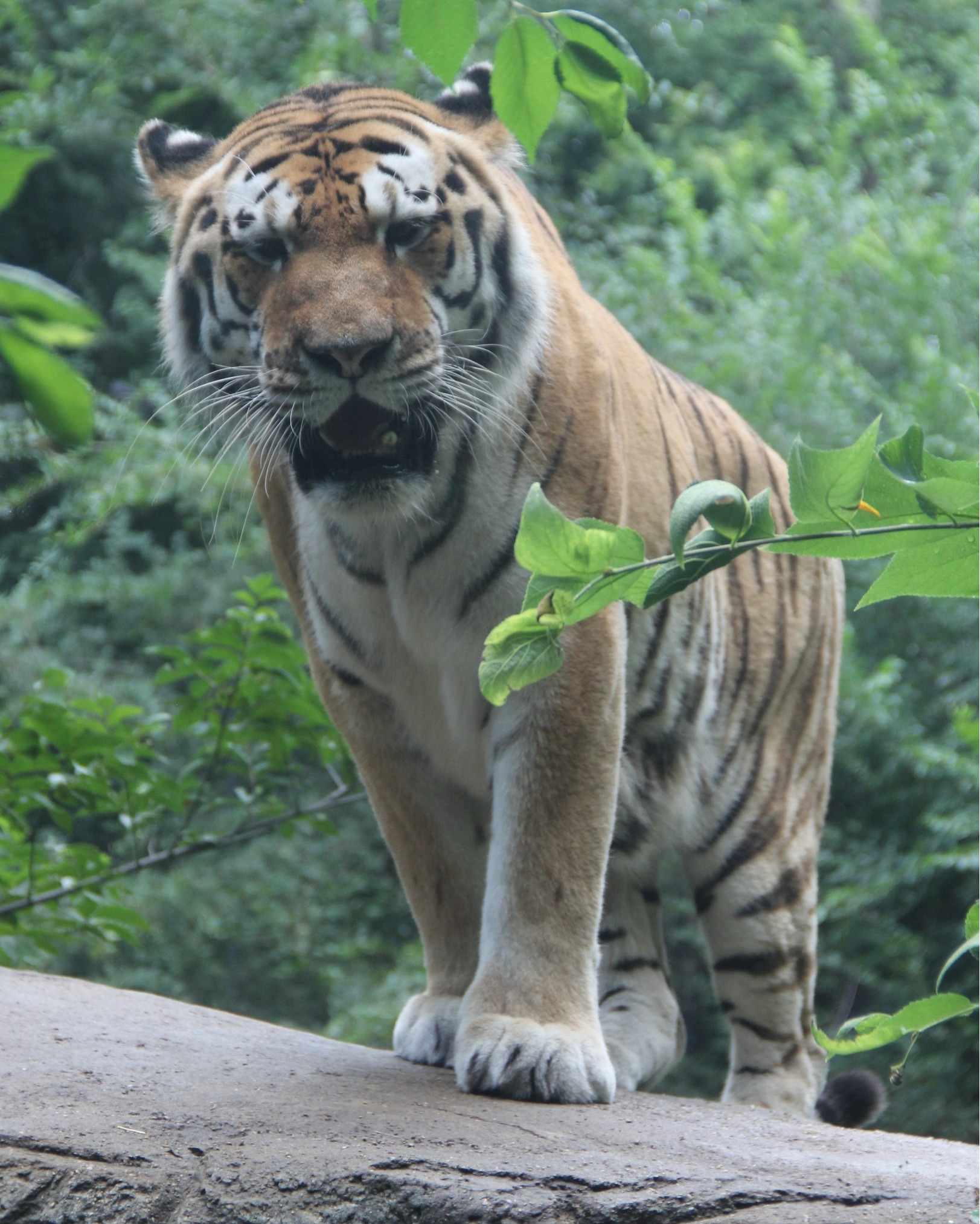
Happy International Tiger Day! This occasion invites us all to take a moment and appreciate one of nature’s most magnificent creatures: the tiger. Here at our zoo, we’re excited to shine a spotlight on Kuza, our very own Amur tiger (also known as the Siberian tiger). These regal animals are paramount in terms of biodiversity and cultural significance, making International Tiger Day not just a celebration, but a clarion call for conservation efforts.
Meet Kuza: The Amur Tiger
Let’s dive into the fascinating world of the Amur tiger. Males can weigh up to a staggering 600 pounds, stretching nearly 10 feet long from the tip of their nose to the end of their tail. Imagine the sheer majesty of Kuza as he prowls his exhibit, showcasing powerful muscles and a coat patterned with striking orange and black stripes. Did you know that each tiger’s stripe pattern is as unique as a human fingerprint? This feature helps them camouflage in their natural habitats, allowing them to hunt more effectively.
Despite their imposing presence, Amur tigers are facing an alarming reality. Currently, there are about 400 of these magnificent creatures left in the wild, primarily due to habitat loss and poaching for their fur and body parts. What makes the situation even more dire is the demand for tiger cubs in the illegal exotic pet trade. This issue brings us to an important conversation about stewardship and responsibility in caring for wildlife.
The Plight of Tigers
International Tiger Day, celebrated annually on July 29, was established in 2010 at the Saint Petersburg Tiger Summit. Its primary goal? To raise awareness and support for global tiger conservation. When we think about the Amur tiger, also known as the Siberian tiger, it’s hard not to feel both awe and urgency regarding their fate.
These magnificent creatures are the largest among all big cat species, adapted to survive in harsh environments. They inhabit the snowy forests of Siberia and the damp, thick woodlands of the Russian Far East. As apex predators, Amur tigers play a crucial role in maintaining the balance of their ecosystems. Their hunting helps keep deer and boar populations in check, which in turn affects vegetation growth and overall ecosystem health.
However, this delicate balance is under threat. Poaching is one of the most pressing issues contributing to their decline. Tigers are often hunted for their beautiful pelts, bones, and various body parts deemed valuable in traditional medicine. This demand not only endangers their lives but disrupts entire ecosystems.
The Not A Pet Campaign
In response to this crisis, organizations like the Association of Zoos and Aquariums have stepped forward with initiatives aimed at preserving wildlife. One such effort is the Not A Pet campaign, aimed at raising awareness about the exotic pet trade. It highlights the dangers and ethical concerns surrounding keeping wild animals, such as tigers, as pets. This initiative is crucial in educating the public on the importance of preserving these species in their natural habitats rather than in homes.
If you’re interested in learning more about this campaign and how you can contribute to wildlife conservation, visit www.notapet.net. Embracing the notion that wild animals belong in the wild helps foster respect and appreciation for their rightful places in our ecosystem.
Understanding Tigers: A Closer Look at Their World
So, what do tigers need to thrive? Understanding their habitats and behaviors is key to their conservation. Amur tigers prefer dense forests that provide cover for stalking prey. In the wild, they primarily hunt large ungulates, such as deer, wild boar, and even elk. These predators rely on surprise and strength, often using their incredible swimming ability to pursue prey across rivers and lakes.
But tigers aren’t just solitary hunters. They communicate through a series of vocalizations, body language, and scent marking. Did you know that a tiger’s roar can be heard up to two miles away? This vocal prowess establishes territory and communicates presence to rival tigers.
Through observing Kuza, we can gain invaluable insights into tiger behavior. Enrichment activities, designed to mimic their natural hunting methods, engage Kuza cognitively and physically. This not only ensures his happiness and well-being but also educates our visitors about the complexities of tiger life.
The Role of Zoos in Conservation
This brings us to the pivotal role that zoos play in conservation. Modern zoos are far more than just places to view animals; they serve as sanctuaries for endangered species and pivotal centers for education and research. Through breeding programs, zoos help maintain genetic diversity among species like the Amur tiger, bolstering their chances of survival in the wild.
By visiting your local zoo, you support these vital efforts and gain knowledge about wildlife conservation. Zoos also provide valuable resources for field research aimed at habitat restoration and understanding the social dynamics of wild populations.
How You Can Help
Becoming an ally in the fight for tiger conservation doesn’t require grand gestures; small actions can create significant impacts. Here are some ways to get involved:
-
Advocate Awareness: Share information about the threats facing tigers and the importance of conservation on your social media platforms.
-
Support Ethical Zoos: When visiting zoos or aquariums, choose accredited institutions that prioritize animal welfare and conservation efforts.
-
Participate in Local Initiatives: Check for local conservation programs or fundraising events aimed at wildlife protection. Your community engagement can raise critical funds and awareness.
-
Educate and Inspire Others: Lead discussions about wildlife and environmental stewardship. Encourage others to appreciate the beauty and importance of protecting biodiversity.
-
Don’t Support the Exotic Pet Trade: Steer clear of purchasing any wild animals as pets. This not only endangers the animals but also supports unethical poaching practices.
Conclusion
On this International Tiger Day, let’s remember Kuza and all the Amur tigers fighting for their survival against the odds. With fewer than 400 individuals left in the wild, our awareness and action have never been more crucial.
Through education, natural exhibits, and awareness campaigns like Not A Pet, we can bolster conservation efforts and promote a sustainable coexistence with wildlife. Every share, every conversation, and every visit to the zoo counts.
Let us celebrate these incredible beings not just today but every day by advocating for their protection and upholding the message that wildlife thrives best in the wild. Though we may marvel at Kuza through glass, let that awe propel us to action, inspiring a legacy of conservation for generations to come. Here’s to the strength, beauty, and resilience of our tigers—may they continue to roam the forests for years to come!
*****
Source Description
Happy International Tiger Day!
Our resident tiger, Kuza, is an Amur tiger. Amur tigers, also known as Siberian tigers, are the largest big cat species in the world. Males can weigh up to 600 pounds and measure up to 10 feet from nose to the tip of their tail. Their paws can be up to 6 inches across.
There are only about 400 Amur tigers left in the wild. Tigers are threatened with extinction largely due to demand for their cubs, fur, and other body parts. The Association of Zoos and Aquariums is part of the Wildlife Trafficking Alliance, which is working to reduce the purchase and sale of illegal wildlife and wildlife products. In 2022 they launched the Not A Pet campaign to raise awareness about the exotic pet trade in the United States.
Lear more about the Not A Pet campaign here: www.notapet.net
