
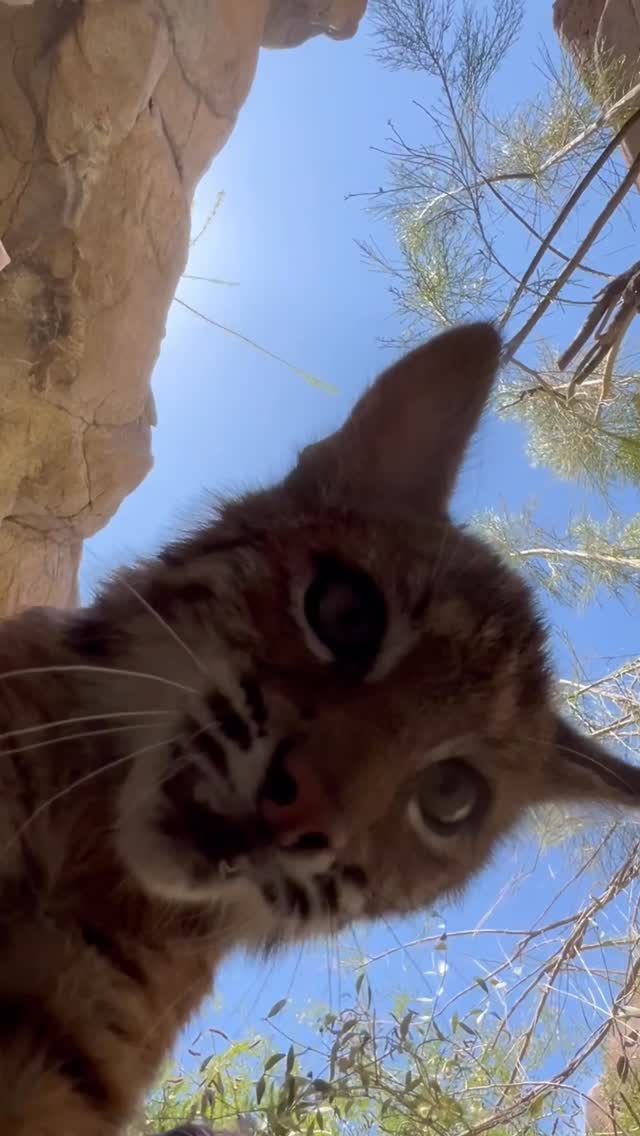
- Insight into Bobcat Kittens: Physical and Behavioral Traits
- Habitat and Range of Bobcats
- Conservation Status: Threats and Protection Measures
- Importance of Zoos in Conservation Education
- The Role of Public Engagement in Wildlife Conservation
Bobcat kittens, the adorable offspring of the bobcat (Lynx rufus), present captivating features and behaviors that enchant animal lovers. These small felines weigh around 1-2 pounds at birth and are typically born in litters of 2 to 4 kittens. With their large, round ears and plush fur, they possess an undeniable cuteness that makes them a popular subject for wildlife enthusiasts. In their early weeks, they are entirely dependent on their mothers, who nurture and teach them important survival skills. This maternal investment is crucial as bobcat kittens learn to hunt, communicate, and navigate their surroundings.
Bobcats are characterized by their tufted ears and short tails, with coats that range from tawny to gray, often featuring black spots. This camouflage aids in their hunting strategies, enabling them to blend seamlessly into wooded or brushy environments. The kittens’ playful nature also serves an essential role in developing their physical skills. Through play-fighting and climbing, they enhance their agility and strength, which are vital for survival as adult bobcats.
The habitat and geographic distribution of bobcats provide insight into their adaptability. Bobcats inhabit diverse environments, including forests, swamps, and even urban areas. Their flexibility in habitat choices highlights their resilience to changing landscapes. In the United States, bobcats can be found from southern Canada through most of the contiguous states, excluding extreme desert or high-altitude regions. As they use various habitats, bobcats show remarkable adaptability to different prey and environmental conditions.
Bobcat kittens face numerous challenges, many of which mirror broader environmental issues impacting wildlife. Habitat loss due to urban expansion and deforestation significantly affects bobcat populations. Additionally, hunting and road mortality present constant threats. Ensuring bobcat populations remain stable requires conservation measures such as habitat preservation and public education. Organizations focused on wildlife conservation have made strides in implementing initiatives to support bobcats and other native species, ensuring they thrive in their natural settings.
Zoos play a vital role in conservation education, highlighting the significance of species like the bobcat. Through exhibits and educational programs, zoos promote awareness about the importance of protecting wildlife and their habitats. By offering engaging experiences with bobcat kittens, zoos create an emotional connection for visitors, fostering a sense of responsibility and stewardship for the environment. Educational programs can also highlight conservation success stories, implementing tangible changes to support wildlife.
Public engagement is crucial in wildlife conservation. Social media campaigns and community initiatives raise awareness about the challenges facing bobcats and other species. By connecting with diverse audiences, conservationists can encourage action, whether through supporting wildlife organizations or participating in local conservation projects. The charm of bobcat kittens can serve as an entry point for deeper discussions about biodiversity and ecosystem health, emphasizing the interconnectedness of all species.
Understanding the realities of bobcat kittens and their habitat can inspire individuals to take action in various ways. Backyard conservation efforts, such as planting native vegetation and preserving green spaces, contribute to sustaining local wildlife populations. Resources like newsletters and community forums help bridge connections between conservation organizations and citizens, strengthening collective efforts to protect wildlife.
Bobcats are often misunderstood animals. Their solitary nature and elusive behaviors keep them out of sight, leading to misconceptions about their role in the ecosystem. As apex predators, they help maintain balanced populations of small mammals and birds. This balance is crucial for overall ecosystem health, underscoring the need for responsible wildlife management and education.
Ecological studies on bobcat behavior and reproduction continually provide insights that inform conservation strategies. The study of bobcat kittens, in particular, sheds light on the impact of environmental changes, prey availability, and genetic diversity. Research not only enhances understanding of bobcat ecology but also shapes policies and practices that benefit various wildlife species. Academic institutions and wildlife management teams collaborate to monitor populations, track movements, and develop sustainable management practices.
The cuteness of bobcat kittens undeniably captivates a broad audience, inspiring empathy and support for conservation efforts. The combination of their small size and playful demeanor evokes a nurturing response, encouraging people to protect these fascinating animals. Whether through direct support for wildlife organizations or making eco-friendly choices, everyone can contribute to the protection of bobcats and their habitats.
Cosmetic and fashion industries increasingly recognize the appeal of bobcats, resulting in ethical questions about their role in product marketing. By utilizing bobcat themes in fashion or products, companies can bring attention to wildlife conservation issues. However, it remains crucial to ensure that art and images of wildlife do not undermine their conservation status or romanticize their exploitation.
Bobcat kittens exemplify the need for informed wildlife management approaches that account for their specific needs and threats. Continued research on their behavior and ecological role remains essential to sustained conservation efforts. When people learn about the lives of bobcats and their kittens, they begin to appreciate the broader implications of conservation, recognizing how interconnected human actions and wildlife outcomes truly are.
Efforts to protect bobcats are reflected in state and federal policies aimed at maintaining healthy populations. Hunting regulations, habitat management plans, and wildlife corridors contribute significantly to ensuring bobcats thrive in their natural ecosystems. Active participation from local communities can amplify these efforts and promote coexistence with wildlife.
Conservation education initiatives that focus on children play a crucial role in instilling values of environmental responsibility. Engaging students with interactive programs about species like bobcats can cultivate a lifelong appreciation for wildlife. Activities that emphasize hands-on learning and nature exploration contribute to fostering a new generation of conservation advocates.
As we witness the beauty of bobcat kittens, it becomes imperative to extend that admiration into actionable steps for conservation. The future depends on comprehensive efforts to protect these animals and their habitats, ensuring they continue to enchant future generations. From scientific research to community participation, every action counts in the fight for wildlife preservation.
Overall, bobcat kittens symbolize much more than mere cuteness. They represent vital aspects of wildlife ecology and conservation. Their well-being affects not only the health of our environment but also reflects our commitment to safeguarding all living beings. When we respond to the call of bobcat kitten cuteness, we embrace a broader mission of environmental stewardship that benefits ecosystems everywhere.
*****
Source Description
Your regularly scheduled content has been replaced with bobcat kitten cutteness!😻
You’re welcome!😉
