
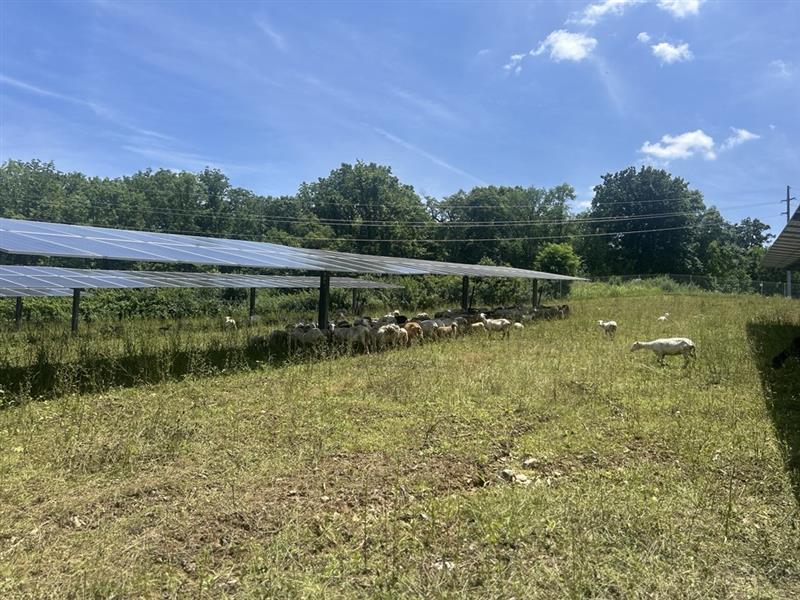
Summary of Farming the Sun and the Sheep:
The content details a sustainable vegetation management strategy involving the introduction of 250–300 grazing sheep under solar panels, with plans to increase to 800. This regenerative approach aims to improve land health while avoiding gas-powered mowers, thus eliminating emissions. Benefits include maintaining active farmland, restoring soil health, and providing local organic meat. Managed by Ohio Solar Grazing through a rotational grazing system, this method enhances pasture growth and supports native pollinators. Additionally, it promotes local sheep farming, strengthening supply chains, improving food security, and reducing transportation emissions.
- The innovative use of sheep for vegetation management under solar panels.
- The benefits of rotational grazing for land health and native habitats.
- The importance of supporting local sheep farmers and the impact on food security.
- The environmental advantages of reducing gas-powered equipment emissions.
- A deeper understanding of the ecological interactions between grazing livestock and their environment.
Farming the Sun involves sustainable agricultural practices that harmonize energy production and land management. One progressive approach incorporates grazing sheep beneath solar panels, a method gaining traction for its multiple benefits. This system not only tackles vegetation control but also promotes ecological health, making it a compelling model for modern farming.
Introducing 250–300 grazing sheep under solar arrays represents the first phase in a broader initiative. As the vegetation develops, this number will increase up to 800 sheep. This rotational grazing plan prioritizes land health and ecological sustainability by allowing grazed areas time to recover and regenerate. The sheep naturally graze on the vegetation, eliminating the need for fossil-fuel-powered mowers. This not only lessens greenhouse gas emissions but also fosters a more resilient ecosystem.
The ecological benefits of utilizing sheep for grazing are significant. Grazing helps to keep farmland in active production, a crucial factor as the demand for renewable energy sources increases. By incorporating livestock into the solar farm ecosystem, farmers can maintain agricultural viability while harnessing solar energy. Pasture management techniques also enable soil health restoration, leading to enriched nutrient profiles and improved water retention. As sheep graze, they stimulate plant growth, cycling nutrients back into the soil through their droppings.
Managing sheep through a paddock rotation system enhances land health further. The Ohio Solar Grazing team utilizes this dynamic method to allow specific pasture areas time to recover after grazing. This structured system not only supports the growth of grasses but also encourages a diverse flora, which provides habitats for native pollinators. Promoting pollinator health contributes to broader biodiversity, creating a balanced ecosystem that can withstand environmental pressures.
Supporting local sheep farmers is paramount. A significant portion of lamb consumed in the United States is imported, which raises concerns about food security. By fostering local supply chains, rural communities can build resilience against global market fluctuations. This not only supports local economies but also reduces transportation emissions that contribute to climate change. Encouraging local production also allows consumers to enjoy fresher livestock products, knowing they are making sustainable choices.
One overlooked aspect of utilizing sheep in agricultural systems is the reduction of emissions associated with traditional mowing equipment. Many farms rely on gas-powered mowers for routine maintenance, which emit harmful pollutants into the atmosphere. Transitioning to grazing sheep eliminates this environmental burden. Sheep serve dual purposes: they manage vegetation effectively while contributing to the carbon-sequestering capabilities of the soil.
The ecological interactions between grazing livestock and their environment are intricate. Sheep grazing influences the composition of plant species in the pasture. Their dietary preferences can help control invasive weeds while promoting the growth of beneficial native plants. This grazing effect can transform previously disturbed land, allowing ecosystems to recover and thrive. Techniques like rotational grazing actively contribute to this transformation, helping to balance the need for food production with ecological conservation.
Research indicates that well-managed grazing enhances pasture quality. The practice encourages the growth of perennials over annuals, leading to increased soil stability. The microbial life in the soil flourishes, making nutrients more available for plants. This interconnectedness between livestock grazing and soil microbial communities illustrates the importance of holistic land management strategies.
The connection between sheep grazing and pollinator health cannot be overlooked. Diverse plant communities provide essential resources for a variety of pollinators, including bees, butterflies, and other beneficial insects. Managing sheep grazing effectively leads to the restoration and enhancement of these vital habitats. As the sheep graze in a controlled manner, they reduce competition among plant species, allowing a greater diversity of flowering plants to thrive.
Furthermore, rotational grazing systems are inherently adaptive. Farmers can adjust grazing patterns based on weather conditions, pasture health, and livestock needs. This flexibility not only helps maintain ecological balance but also promotes efficient land use. As an added benefit, it supports farmers in developing a diverse agricultural portfolio. With a versatile approach to livestock management, farmers can complement solar energy production with robust agricultural practices.
Engaging local communities in these practices is essential for sustainable agricultural development. Education plays a significant role in raising awareness about the benefits of sheep grazing and renewable energy integration. Workshops, farm tours, and collaborative projects can bring together agriculturalists, environmentalists, and consumers. These interactions can foster a culture of innovation and sustainability focused on protecting the environment while bolstering local economies.
Transparency within the food chain reinforces the value of local livestock. Encouraging consumers to understand where their food comes from nurtures trust and community connection. The significance of local sheep farming extends beyond mere consumption; it reflects a commitment to building a sustainable agricultural framework. This helps consumers make informed choices grounded in environmental stewardship.
Exploring the synergies between renewable energy and livestock grazing offers a pathway for future-focused agricultural practices. The integration of sheep into solar farming also exemplifies an innovative approach to land management. It demonstrates that agricultural productivity and renewable energy generation can coexist profitably. This emerging model contributes to a decrease in dependency on fossil fuels while advocating for sustainable land use practices.
In summary, grazing sheep beneath solar panels presents a compelling opportunity for environmental stewardship. The practice promotes active land management, reduces emissions, and supports local farming communities. Rotational grazing systems enhance soil health, restore habitats for pollinators, and elevate the overall agricultural landscape. The interdependence of renewable energy and livestock grazing will increasingly shape the future of sustainable farming. As communities embrace these practices, the potential for ecological and economic benefits is vast, paving the way for a more resilient agricultural system in the face of evolving global challenges.
