
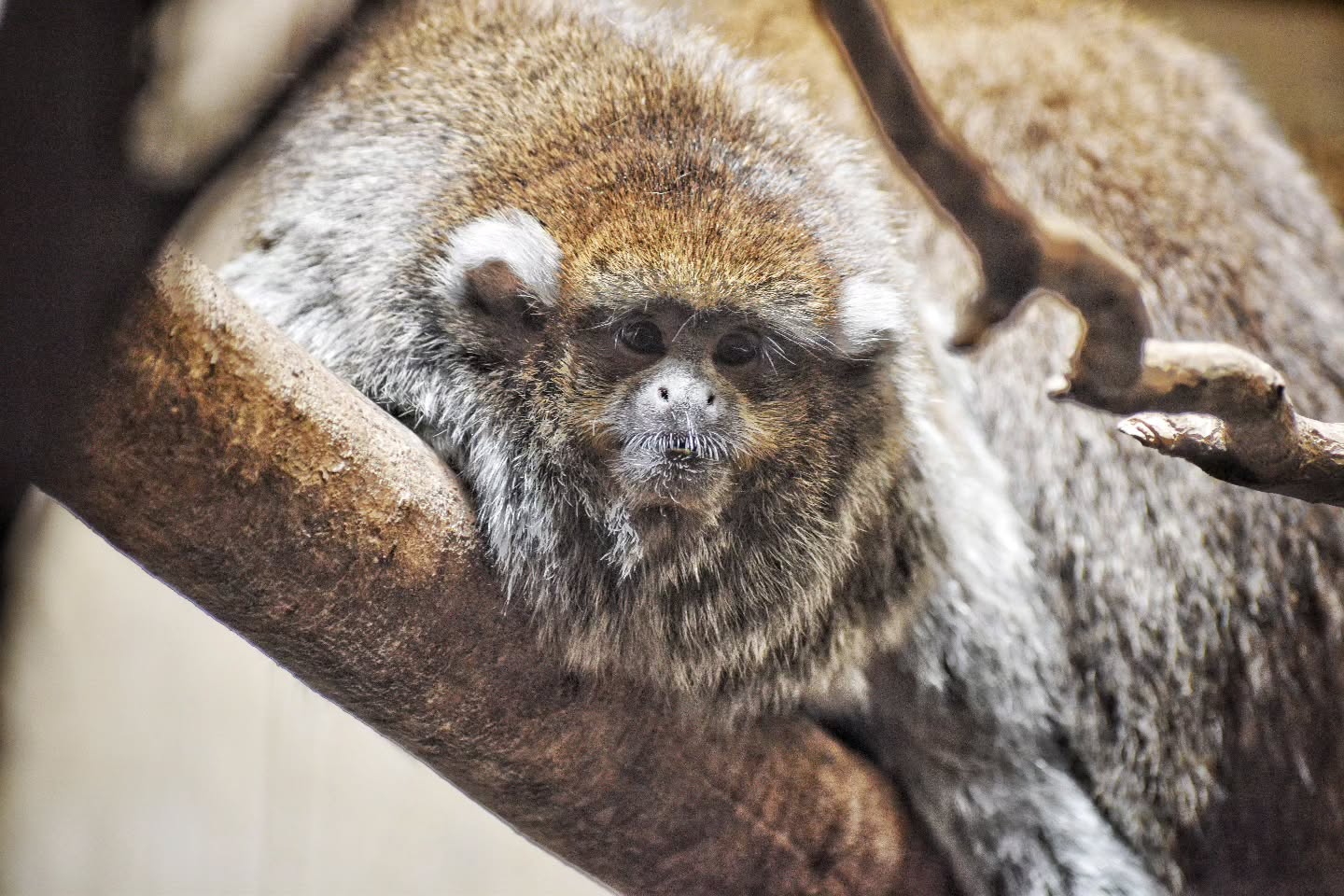
- Taxonomy and Natural History of the Bolivian Gray Titi Monkey
- Habitat and Distribution
- Behavior, Diet, and Social Structure
- Conservation Status and Threats
- Role in Ecosystems and Conservation Efforts
The Bolivian gray titi monkey (Plecturocebus donacophilus), a striking primate, belongs to the family Pitheciidae. It is often categorized under the subfamily Callicebinae. This species is endemic to Bolivia, where its adaptations to local environments highlight its uniqueness. The current classification system places the Bolivian gray titi monkey alongside other titi monkeys, known for their distinctive traits and behaviors. Through ongoing studies, researchers continue to uncover more about its biology, ecology, and development.
Habitat and distribution play a pivotal role in the survival of the Bolivian gray titi monkey. These primates primarily inhabit tropical and subtropical forests within Bolivia, particularly in areas such as the northern Amazon basin. Their range extends into secondary growth and fragmented forests, demonstrating their adaptability to various forest types. Various studies indicate a preference for dense foliage, which provides adequate cover and food sources. The forests in these regions are not just homes; they are essential for their breeding practices and overall lifestyle.
Social behaviors among Bolivian gray titi monkeys reveal much about their species. Living in small family units, consisting of a monogamous pair and their offspring, these monkeys exhibit strong social cohesion. Grooming behaviors serve critical roles in social bonding and hygiene. Communication among individuals is also complex, including vocalizations that convey alerts about predators or establish territory. Observations show that these monkeys are primarily diurnal, suggesting that their social activities peak during daylight hours. Their social structure has adapted to their environmental pressures, highlighting the intricate dynamics of their interactions.
Diet is an essential aspect of the Bolivian gray titi monkey’s life. These monkeys are primarily frugivorous, with fruits comprising a large part of their diet. They also consume leaves, flowers, and insects, demonstrating their adaptability to available food sources. The variety of fruits in their habitat contributes to their nutritional health. They show preferences for specific fruits depending on availability, which often correlates with seasonal changes in their environment. Their foraging behavior can have significant implications for seed dispersion, affecting forest composition and regeneration.
Understanding the conservation status of the Bolivian gray titi monkey reveals the challenges it faces. Currently classified as vulnerable by the International Union for Conservation of Nature (IUCN), this species suffers from habitat loss primarily due to deforestation and agricultural expansion. Deforestation reduces their habitat, leaving them with limited areas to thrive. Additionally, hunting pressures and the pet trade further threaten their population stability. Various initiatives focus on preserving their habitats, but ongoing human encroachment poses significant challenges.
The role of the Bolivian gray titi monkey in ecosystems cannot be understated. As seed dispersers, they contribute to forest regeneration and biodiversity. Their foraging habits support a variety of plant species, fostering a healthy ecosystem. Conservation efforts aimed at protecting their habitats directly impact not only the monkeys but the overall health of forest environments. Various organizations and local communities are working together to develop and implement conservation strategies. These initiatives range from habitat restoration projects to educational programs aimed at raising awareness about the importance of biodiversity.
Furthermore, zoos play a vital role in the conservation of the Bolivian gray titi monkey. Institutions such as the Central Park Zoo participate in breeding programs and research aimed at enhancing the understanding of this species. These ventures provide valuable insights into their care and preservation while serving as educational platforms that inform the public about their plight. Through collaborative efforts in zoological settings, the knowledge gained can contribute to in-situ conservation practices in Bolivia.
Research continues to shed light on the evolutionary adaptations and behavioral ecology of the Bolivian gray titi monkey. Studies explore genetic variations among populations, offering insights into their adaptability and resilience to environmental changes. The findings emphasize the need for continuous monitoring of their populations, especially in the face of increasing habitat fragmentation. Knowledge gathered from these studies informs conservation policies and biological initiatives aimed at preserving the species and its habitat.
As the pressures of climate change intensify, the future of the Bolivian gray titi monkey is under heightened scrutiny. Alterations in temperature and precipitation can significantly affect their habitat and, ultimately, their survival. Conservation strategies will require flexible adjustments as researchers predict possible shifts in forest ecosystems. Collaboration between governmental bodies, NGOs, and local communities is crucial for creating effective solutions that address both the needs of the species and the human populations that coexist with them.
Efforts to engage local populations in conservation initiatives enhance the sustainability of these programs. Education about the ecological importance of the Bolivian gray titi monkey can foster community involvement in preserving their natural habitats. By creating economic incentives for conservation, local communities may see the benefits of protecting these primates rather than exploiting them. Sustainable development, including eco-tourism, can promote appreciation for biodiversity while generating income for communities reliant on forest resources.
Furthermore, protection policies and legal frameworks aimed at shielding the Bolivian gray titi monkey and its habitat are essential. This includes designating protected areas where logging and agricultural activities are restricted. Enhancing the enforcement of wildlife laws can deter illegal hunting and trade, ensuring that these primates have a safe environment to thrive. Long-term monitoring of populations within protected areas can help assess the effectiveness of these measures, providing valuable feedback for future conservation planning.
Recent collaborations among international conservation groups reveal a growing commitment to preserving the Bolivian gray titi monkey. These partnerships aim to pool resources for research, habitat protection, and community education. By leveraging expertise and financial support from multiple organizations, these efforts can generate more significant impacts than solitary initiatives. Engaging scientists, conservationists, and local communities in a cohesive strategy offers the most promising approach to securing the future of this species.
Ongoing dialogues about biodiversity preservation and ecosystem health are vital in understanding the broader implications of species conservation. The Bolivian gray titi monkey serves not only as an important species in its own right but as an indicator of forest health and climate resilience. Protecting this species reflects our collective responsibility to maintain ecological integrity. Awareness and education about the challenges faced by the Bolivian gray titi monkey can inspire action, driving individuals and communities to participate in conservation efforts.
In summary, the Bolivian gray titi monkey signifies the intricate balance within tropical ecosystems. Understanding its behavior, habitat needs, and status highlights the importance of targeted conservation. By actively engaging in research, community involvement, and legal protections, efforts can be made to secure a future for this fascinating species. Addressing the challenges posed by habitat loss, hunting, and climate change requires a multifaceted approach that incorporates scientific knowledge, community engagement, and a shared commitment to preserving the biodiversity of our planet. The continued survival of the Bolivian gray titi monkey hinges on our willingness to act now for the ecosystems that sustain them.
*****
Source Description
Bolivian gray titi monkey (Plecturocebus donacophilus) 📷 @ the @centralparkzoo
