
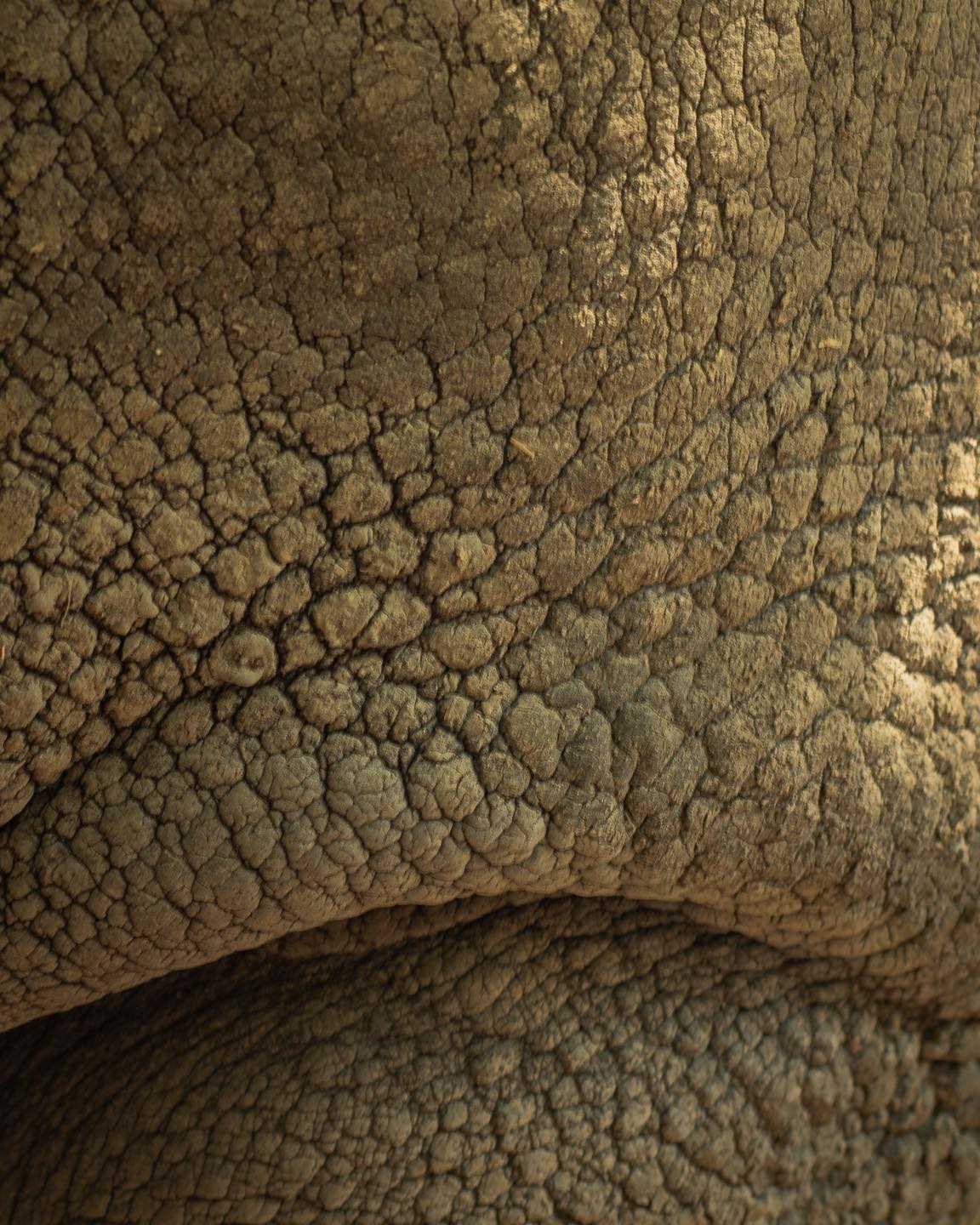
- The biological significance of animal skin, fur, and textures.
- The evolutionary adaptations related to animal prints and textures.
- The role of skin and fur in animal behavior and ecology.
- Conservation challenges and the importance of protecting biodiversity.
- The influence of animal designs on human culture and industry.
Animal skin, fur, and textures represent a biological canvas of evolution, adaptation, and survival. Each print, pattern, and texture reveals a wealth of information about an animal’s habitat, lifestyle, and even its predation strategies. From the striking stripes of a tiger to the camouflage of a chameleon, these features serve critical functions that make them fascinating subjects of study.
The biological significance of animal skin and fur cannot be overstated. Skin serves as the first line of defense against environmental threats while simultaneously facilitating vital functions. For example, the epidermis, the outermost layer of skin, protects against pathogens and harmful UV rays. In many species, specialized cells produce pigments that can either absorb or reflect light, aiding in thermoregulation. Furthermore, skin helps in moisture retention, an essential function for terrestrial animals exposed to arid environments. The adaptation seen in desert-dwelling animals, such as the Fennec fox, illustrates this perfectly; these foxes have developed lighter fur to reflect the sun’s rays, minimizing heat absorption.
Fur texture also plays a pivotal role in the social dynamics of various species. In mammals, fur can indicate health and genetic viability. The quality and luster of a coat can serve as visual cues during mating season. For instance, male peacocks are known for their striking plumage, which is more than mere decoration. Those with the most ornate feathers typically attract more mates, an evolutionary advantage that roots back to survival and reproduction.
In terms of evolutionary adaptations, these characteristics are not left to chance. Natural selection has shaped the patterns and textures we observe today. The stripes of a tiger are not just for aesthetic appeal; they help break up the outline of the animal in tall grass, making it more difficult for prey to spot. Similarly, the patterns on a zebra’s skin are believed to confuse predators and reduce biting from insects. Such nuances are a testament to how intricate and multifaceted evolution can be, guiding species towards traits that improve survival and reproductive success.
Moving beyond the biological aspect, skin and fur actively influence animal behavior and ecological interactions. The coloration and patterns can serve as camouflage, increasing effectiveness in hunting or evasion from predators. The chameleon, known for its ability to change color, utilizes this skill not just for camouflage but also as a communication tool. Displaying brighter colors can signal aggression or readiness to mate, thus aiding in reproductive success.
Further, textures have roles in communication and social bonding among species. Many primates, for example, groom each other rigorously, and this behavior reinforces social structures within their groups. The act of grooming doesn’t merely keep the fur clean but also strengthens social connections, facilitating group cohesion. Likewise, in social insects like bees, the textures of their body hairs are adapted to effectively pick up pollen, highlighting the intricate relationship between morphology and environmental interaction.
However, these remarkable characteristics face numerous challenges. Conservation threats such as habitat destruction, poaching, and climate change significantly impact the diversity of animal skin and fur. The quest for extinction of certain species has dire implications for ecosystems, as each organism plays a role in maintaining the balance of its habitat. The loss of one species can cascade into broader ecological degradation.
For example, the illegal poaching of animals for their unique pelts, such as that of the snow leopard, disrupts not only the predator species but has a ripple effect on the prey populations and the entire ecosystem in which they exist. Moreover, climate change exacerbates these challenges by altering habitats and the fundamental dynamics within ecosystems. Species that rely on specific habitats may find themselves struggling to adapt, leading to a decline in biodiversity.
The cultural implications of animal skin and fur extend beyond biology. Fashion, art, and architecture often draw inspiration from the textures and patterns found in nature. From haute couture designs mimicking leopard spots to Indigenous artistry utilizing animal motifs to convey cultural significance, the intersection of animal designs and human industry reflects a deep appreciation for biodiversity. This admiration can also prompt conservation efforts, advocating for awareness and protection of endangered modalities.
To safeguard these unique features and traits, conservation initiatives become essential. Protecting habitats, enforcing anti-poaching laws, and promoting sustainable practices contribute significantly to maintaining biodiversity. Engaging local communities and fostering a sense of stewardship can lead to successful conservation outcomes. Educational programs that emphasize the importance of diverse animal skin and fur should also be developed to cultivate respect and understanding among future generations.
As the natural disasters and anthropogenic activities reshape ecosystems, understanding animal skin, fur, and textures offers critical insights. Each feature is a testament to the interplay of evolution and survival, shaping how species interact with their environments. It highlights the importance of preserving these remarkable traits not just for their aesthetic appeal but for their ecological roles.
Whether it is through scientific exploration or artistic expression, the appreciation of animal designs in nature brings people closer to understanding the interconnectedness of life. Studying animal skin, fur, and textures offers more than just aesthetic value; it emphasizes a broader ecological understanding that is crucial in our efforts to conserve the diverse fabrics of life on Earth. Promoting awareness and action towards conservation is vital to ensure that future generations can appreciate the unique beauty that nature has to offer.
*****
Source Description
La piel, el pelo y las texturas de los animales son únicas. Cada “print” es un retrato diferente de la naturaleza, lleno de formas y colores que muestran su belleza y diversidad 🌿💛.
¿Cuál de estos detalles es tu favorito? 👀💫
