
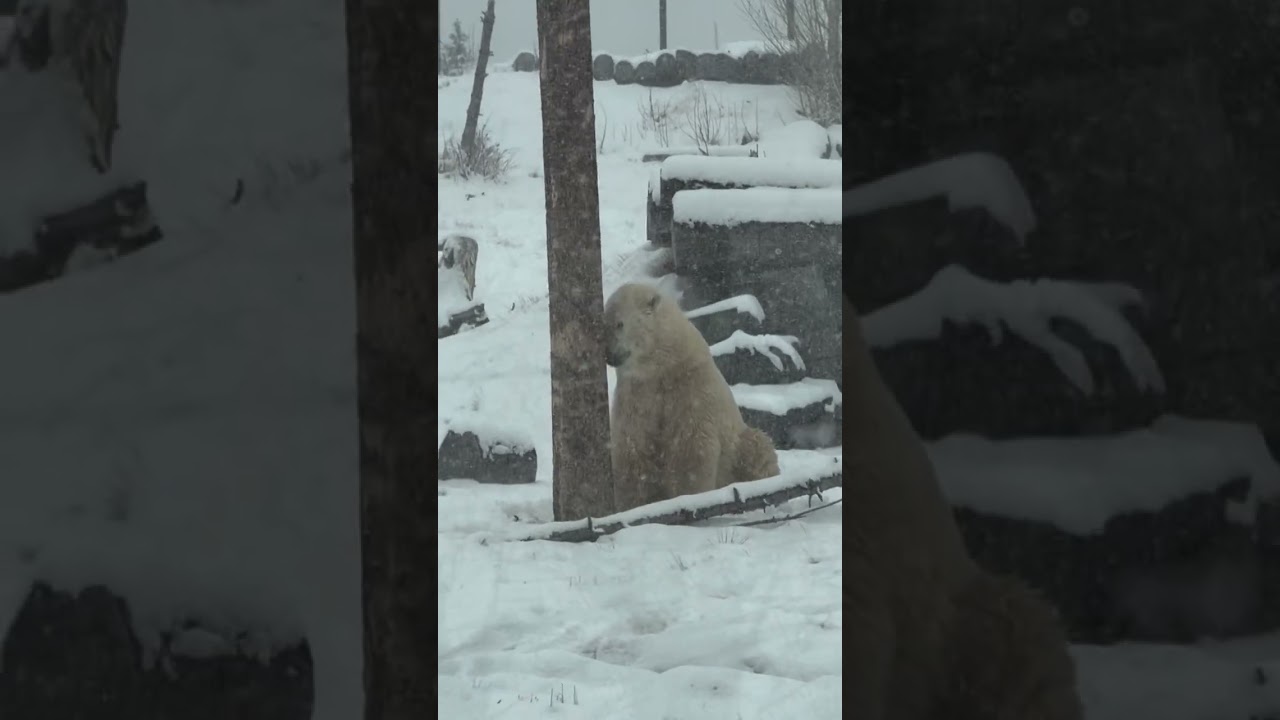
- Introduction to Polar Bear ‘Yellé’ and Her Arrival at the Wilder Institute/Calgary Zoo
- Insights into Polar Bear Behavior and Adaptations
- The Role of Zoos in Polar Bear Conservation
- Environmental Challenges Facing Polar Bears
- Initiatives and Conservation Efforts at Wilder Institute/Calgary Zoo
Polar Bear ‘Yellé’ has arrived at the Wilder Institute/Calgary Zoo, capturing the attention of wildlife enthusiasts and conservationists. Her debut is more than just an attraction; it highlights essential aspects of wildlife conservation and education.
Polar bears are majestic animals, adapted to the harsh Arctic environment. ‘Yellé’ embodies these traits, showcasing powerful limbs, a dense fur coat, and large paws designed for swimming and walking on ice. Her presence in the zoo offers a unique opportunity to learn about polar bear behavior and their role in the ecosystem.
Zoos like the Wilder Institute/Calgary Zoo play a vital role in conserving endangered species. By providing a safe environment, zoos contribute to the understanding and preservation of polar bears, simulating their natural habitat to offer insights into their behavior and needs.
Polar bears face numerous environmental challenges due to climate change, as melting ice caps reduce their habitat and hunting grounds. This has increased human-bear interactions, threatening their survival. Education on these issues is crucial, and ‘Yellé’ serves as a powerful ambassador for raising awareness.
The Wilder Institute/Calgary Zoo is actively involved in numerous conservation initiatives. They focus on environmental education, research, and collaboration with global conservation entities. By observing ‘Yellé’, visitors and researchers can gain insights that aid in the broader efforts to protect these bears and their habitats.
The arrival of Polar Bear ‘Yellé’ at the Wilder Institute/Calgary Zoo is a significant event that highlights both the beauty and the plight of these remarkable creatures. Exploring her characteristics offers a glimpse into the polar bears’ physical adaptations and behaviors. These magnificent animals have streamlined bodies, built for endurance and resilience against severe cold. Their thick layer of blubber provides insulation, while their fur, which appears white, is actually transparent, reflecting visible light to blend seamlessly into the icy surroundings. This camouflage is crucial for hunting seals, their primary prey.
‘Yellé’ provides an educational platform for understanding polar bears’ physical attributes and their ecological significance. Each feature, from her sharp claws to her snout designed to detect prey from miles away, illustrates an adaptation to a life in polar climates.
Zoos engage in more than displaying wildlife; they are hubs for conservation education and scientific research. Institutions like the Wilder Institute/Calgary Zoo engage in breeding programs that safeguard genetic diversity, ensuring future populations. By observing ‘Yellé’, scientists and visitors learn about polar bear health, diet, social interactions, and reproductive behavior. This knowledge directly informs conservation strategies and policies designed to preserve the species in the wild.
Moreover, zoos are crucial in the rehabilitation of injured or orphaned animals. They provide a haven where wildlife experts can care for and study bears like ‘Yellé’. These sanctuaries inspire future conservationists, creating a bridge between the public and the natural world. The zoo’s focus on education ensures that visitors leave with a deeper understanding of the challenges polar bears face and the critical need for conservation efforts.
Polar bears are among the most vulnerable species affected by climate change. Rising global temperatures and shrinking ice habitats make survival increasingly difficult. The reduction in sea ice hampers their ability to hunt seals, forcing polar bears to travel greater distances, leading to increased energy expenditure and reducing their survival odds. ‘Yellé’ stands as a symbol, highlighting these issues to visitors and encouraging global cooperation for environmental action.
Besides climate change, polar bears also face threats from pollution and habitat disturbances. As ice melts, new shipping routes open, increasing the risk of oil spills and marine pollution. Protecting polar bear habitats involves stringent environmental regulations and international cooperation. Educational programs at zoos like the Wilder Institute/Calgary Zoo inform visitors about simple lifestyle changes that can contribute to climate action.
The Wilder Institute/Calgary Zoo’s commitment to conservation is impressive. They engage in international collaborations, supporting polar bear research projects and offering resources to initiatives like Polar Bears International. Their focus extends to local and global educational outreach, employing experts to study climate patterns and assess their impacts on Arctic wildlife.
Through partnerships and funding, the zoo supports research in the Arctic, employing technology such as satellite tracking to understand polar bear migration and population dynamics. Educational exhibits featuring ‘Yellé’ serve to generate public interest and fund ongoing research efforts. Visitors to the zoo participate in these conservation programs both actively and passively, contributing to a shared mission of wildlife preservation.
The introduction of ‘Yellé’ to the Wilder Institute/Calgary Zoo is more than a new addition. It represents the convergence of education, conservation, and scientific study. Her presence is a reminder of the intricate relationship between species preservation and environmental stewardship. As ambassadors for their wild counterparts, zoo polar bears play an indispensable role in connecting people to pressing ecological issues.
Ultimately, ‘Yellé’ is not just a solitary figure but part of a global narrative. Her existence in the zoo serves as a poignant reminder of the importance of our actions today in shaping the future of our planet’s wildlife. From energetic school groups to dedicated conservationists, every visitor can derive lessons from ‘Yellé’, fostering a communal sense of responsibility for environmental conservation.
By engaging with ‘Yellé’ and the dedicated professionals at the Wilder Institute/Calgary Zoo, the public gains an insightful perspective into the challenges and successes of polar bear conservation. It is through these efforts that we find hope for preserving their place in nature, ensuring that polar bears continue to roam the Arctic wilds for generations to come.
*****
Source Description
Some bunny new has made his debut, just in time for the Easter long weekend! 🐰
Get ready to meet the newest member of our zoo family, male polar bear ‘Yellé’. After completing his quarantine this week, he’s been busy exploring his new home, sniffing everything in sight and making a splash in the pool. We’re paw-sitively in love already! 😍
We know you’re wondering… when will Yellé meet his habitat-mate ‘Siku’? 🐻❄️ While they haven’t seen each other yet, they’ve been getting to know one another through sounds and scents. Our Animal Care, Health & Welfare team is giving Yellé time to settle in before beginning gradual introductions. The first step will allow the bears to see each other through a protective barrier. As always, the pace will be guided by the bears themselves, based on their comfort and behaviour.
Join us this weekend for our Easter Eggstravaganza and stop by to welcome Yellé to his new home. Get your tickets at the link: https://bit.ly/3sXlQM9
#YourZooYYC
