
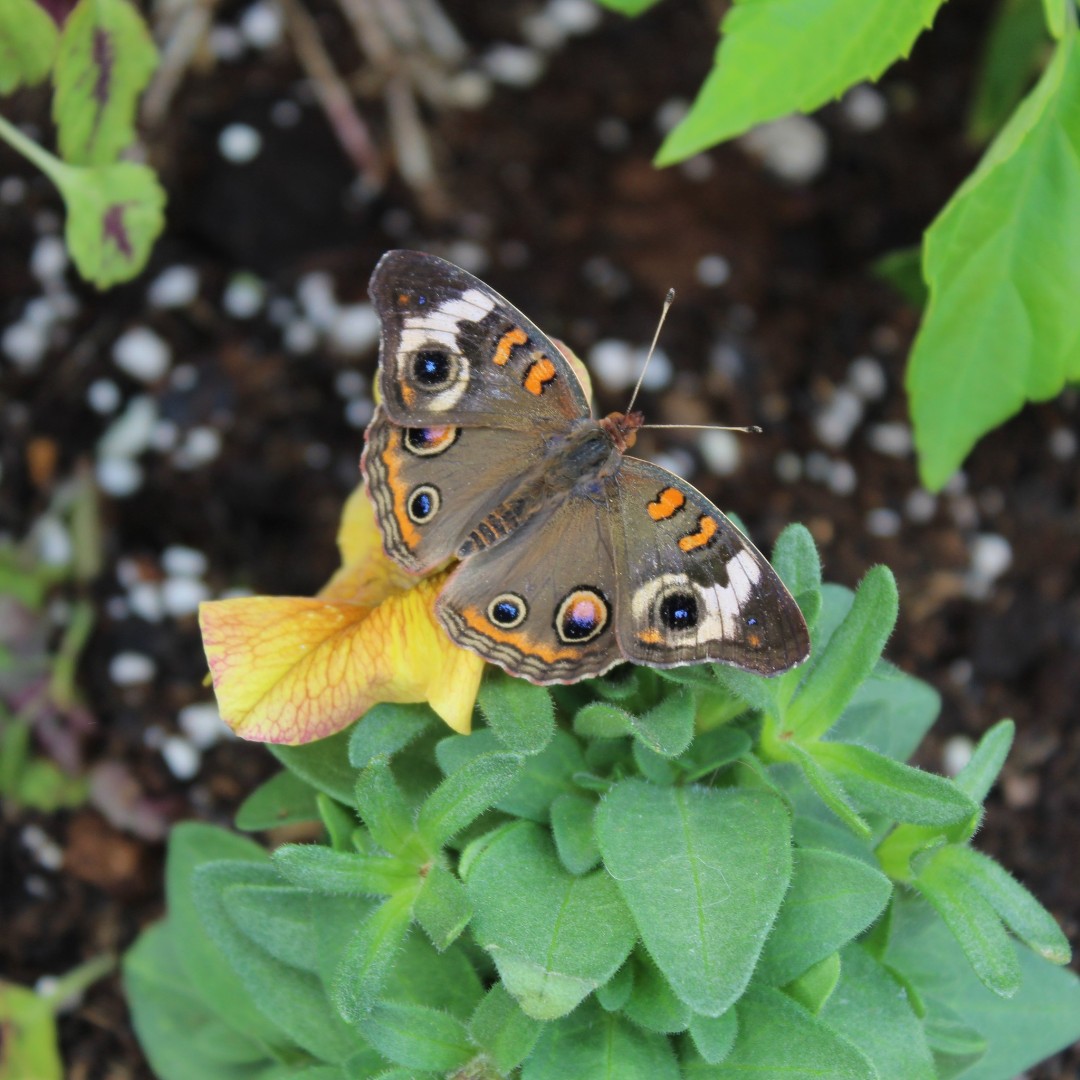
- Butterflies are important indicators of ecosystem health.
- Chatfield Farms showcases a variety of Colorado’s native butterfly species.
- The partnership between Butterfly Pavilion and Denver Botanic Gardens fosters wildlife conservation.
- Engaging exhibits teach visitors about the life cycle and behavior of butterflies.
- Conservation efforts to protect butterfly habitats and populations are crucial.
Butterflies play a significant role in maintaining healthy ecosystems. As pollinators, they contribute to plant reproduction and the overall biodiversity of an area. In many ecosystems, the presence of butterflies indicates a balanced environment. Their sensitivity to changes in habitat, climate, and food availability means that tracking their populations can provide valuable insights into broader environmental conditions. This relationship makes them essential subjects for study in zoology and conservation biology.
Chatfield Farms, part of the Denver Botanic Gardens, has become a vibrant location for experiencing the beauty of Colorado’s native butterflies. Open through Labor Day, the exhibit features a selection of species, including swallowtails, monarchs, and painted ladies. Visitors can walk among these remarkable insects as they flutter from flower to flower. The proximity allows for an intimate and educational experience with butterflies in their natural habitat.
The collaboration between Butterfly Pavilion and Denver Botanic Gardens represents a forward-thinking approach to wildlife conservation. By creating a space dedicated to butterflies, both organizations aim to raise awareness and educate the public on the importance of these insects. Butterflies serve as a bridge between the natural world and humanity. Engaging with them promotes a better understanding of ecological systems and the delicate balance maintaining them. Through educational initiatives, visitors can learn about the factors affecting butterfly populations, including habitat loss, climate change, and pesticide use.
The exhibit at Chatfield Farms emphasizes the life cycle of butterflies, including the stages of egg, larva (caterpillar), pupa (chrysalis), and adult. This transformation is a classic example of metamorphosis, where the organism undergoes dramatic changes in form and function. Each stage is critical for the survival of the butterfly. For instance, during the caterpillar stage, butterflies consume large amounts of vegetation. This feeding behavior is crucial not only for their growth but also for the ecosystem, as plants adapted to attract butterflies often provide food for other species too.
Moreover, visitors will gain insight into the specific behaviors and roles of different species within the ecosystem. Swallowtails, for example, are known for their striking coloration and adaptability. Monarchs are famous for their incredible migration, traveling thousands of miles from North America to Central Mexico each winter. Understanding these behaviors lends depth to the exhibit, inviting visitors to appreciate the complexity of these creatures.
Beyond the educational experience, the exhibit also addresses the pressing need for conservation efforts. Butterfly populations have experienced declines across the globe due to various factors, including habitat destruction and climate change. In Colorado, urbanization and agriculture often encroach on butterfly habitats, leading to fragmented populations and decreased genetic diversity. Combatting these issues requires concerted conservation actions.
The work of Butterfly Pavilion and Denver Botanic Gardens in promoting awareness about these challenges is vital. Through this joint effort, the organizations hope to inspire community action to protect natural habitats. Creating displacement-free zones for butterflies and planting native flora can help rebuild habitats. Supporting local conservation initiatives is essential for ensuring butterflies thrive in their natural environment.
Engaging exhibits such as the one at Chatfield Farms can also spark interest in butterfly gardening. By cultivating butterfly-friendly plants in personal or community gardens, individuals can contribute to creating corridors for species on the move. Some plants, like milkweed, are indispensable for monarch butterflies, as it serves as the sole food source for caterpillars. Educating the public on which native plants can attract and support local butterfly species allows individuals to play an active role in conservation.
In addition to supporting local butterfly species, the Butterfly Pavilion offers opportunities to experience tropical butterflies year-round in its conservatory. Visiting Butterfly Pavilion enriches understanding of butterflies from around the globe. This dual experience—local species at Chatfield Farms and tropical varieties at the Pavilion—provides a comprehensive view of these pollinators’ diversity and significance.
Understanding the life cycle and behaviors of butterflies is not only an educational journey. It ignites a passion for environmental stewardship among visitors. Forming a connection with nature can lead to eco-conscious decisions, such as reducing pesticide use and advocating for more native plantings in community parks. Ultimately, awareness breeds appreciation, which is crucial in the effort to protect biodiversity.
The economic value of butterflies also warrants attention. They contribute to agriculture through pollination, aiding in the production of fruits, vegetables, and flowers. A healthy population of butterflies can lead to increased yields for farmers. This aspect of butterfly conservation intersects with economic interests, illustrating how biodiversity directly influences human welfare.
Throughout the exhibit, signage and interactive displays provide information about the ecology of butterflies in an accessible manner. Children and adults alike can engage with the world of these insects, learning through observation and dialogue. The importance of participation in conservation initiatives forms a thread that invites visitors to think critically about their actions and how those actions affect wildlife.
As the exhibit at Chatfield Farms continues to attract visitors, it serves not just as a delightful display but as a pivotal educational platform. Information can empower individuals and communities to act as stewards of the environment. When people understand their connection to nature, they begin to see the importance of protecting it.
The partnership between Butterfly Pavilion and Denver Botanic Gardens is an example of how collaboration can enhance conservation efforts. Their collective knowledge and resources enable them to address complex environmental issues from multiple angles. By showcasing the beauty of butterflies and emphasizing their ecological roles, they inspire action and awareness.
Managing wildlife exhibits requires careful consideration of both the living conditions of the butterflies and the educational aspect for visitors. This balance is fundamental in providing meaningful experiences while ensuring the well-being of the species. Animal husbandry principles guide best practices in the care of butterflies, ensuring a sustainable habitat within the confines of the exhibit.
Multiple factors influence the success of such exhibits. Temperature, humidity, and food sources must be optimized to create ideal living conditions for butterflies. Monitoring these elements guarantees that the butterflies remain healthy and vibrant, providing an accurate representation of their natural behavior.
A multifaceted understanding of butterfly ecology is a cornerstone of effective wildlife management. Ongoing research into the behaviors, habitats, and population dynamics of butterflies allows for adaptive management strategies that meet current conservation needs. By fostering learning environments such as the Chatfield Farms exhibit, organizations can drive awareness toward systematic conservation actions.
Incorporating community engagement is also crucial. Workshops, lectures, and volunteer opportunities can expand the reach of conservation efforts. Inviting the public to participate in habitat restoration or butterfly counts creates a sense of community ownership over ecological health.
In summary, the arrival of butterflies at Chatfield Farms signifies a valuable opportunity for education and conservation. Visitors are encouraged to not only admire but also learn and take action. By understanding the intricacies of butterfly life cycles and their critical roles in the ecosystem, everyone can contribute toward conserving these fascinating creatures for future generations. Engaging with local and tropical butterfly species creates a comprehensive experience that highlights the importance of biodiversity and the need for continuous conservation effort.
*****
Source Description
Butterflies have officially arrived at Chatfield Farms! This joint venture between Butterfly Pavilion and @denverbotanic is now open through Labor Day in Littleton, Colorado. Home to native butterflies like swallowtails, monarchs, painted ladies, and more, it’s a unique chance to experience the beauty of Colorado’s butterflies up close!
Visit botanicgardens.org/chatfield-farms/butterflies-chatfield to learn more about this exhibit or butterflies.org to see tropical butterflies year-round in Butterfly Pavilion’s Butterfly Conservatory!
