
- Understanding the Importance of Naming Contests in Zoos
- The Role of Zebra Conservation Efforts
- Key Aspects of Zebra Biology and Behavior
- Zoo Management and Public Engagement Strategies
- The Impact of Digital Platforms on Wildlife Awareness
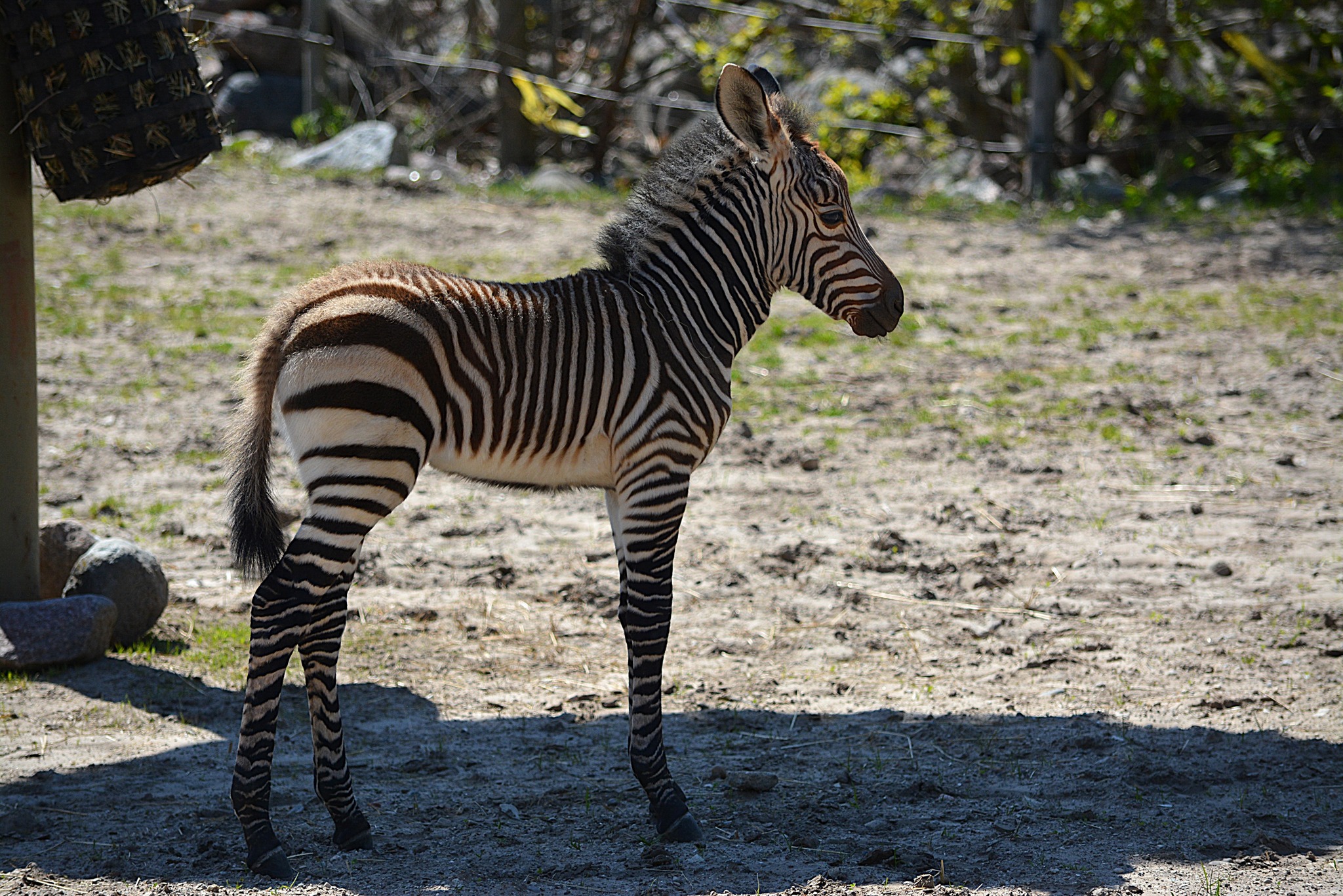
The announcement of a baby zebra naming contest captivates enthusiasts and highlights key aspects of zoological practices, conservation strategies, and wildlife engagement. Naming contests are more than just interesting events; they reflect significant efforts in conservation and public awareness.
Understanding the Importance of Naming Contests in Zoos
Naming contests are a vital tool for zoos to foster public engagement and environmental education. By involving the community in naming a baby zebra, zoos create a connection that inspires curiosity and learning. Participants often delve into the species’ cultural and ecological significance while selecting names. These contests serve as educational platforms, spreading awareness about wildlife conservation issues and species-specific challenges.
For wildlife researchers and zoologists, naming contests offer a way to engage with the public in a meaningful dialogue about biodiversity and conservation. They provide a platform for educating people about the species’ habitat needs and threats. Ultimately, they contribute to the zoo’s mission by raising awareness and encouraging conservation-oriented behavior among participants.
The Role of Zebra Conservation Efforts
Zebra conservation is a pressing concern due to habitat loss, hunting, and climate change. Zoos are critical sanctuaries for endangered species, offering an opportunity to study zebra biology and promote conservation initiatives. They enable researchers to gather data on zebra health, reproduction, and social behaviors. This information aids in formulating strategies to protect zebras in their natural habitats.
Conservation programs in zoos often collaborate with international wildlife organizations. These collaborations amplify their impact by supporting field research and habitat restoration projects. Through breeding programs, zoos contribute to genetic diversity, ensuring healthy zebra populations. The naming contest not only highlights this work but underscores the importance of preserving zebras for future generations.
Key Aspects of Zebra Biology and Behavior
Zebras are notable for their social structure and striking stripe patterns. Each zebra’s stripes are unique, providing a form of camouflage against predators. Zebras live in groups known as harems, consisting of one male and several females with offspring. Understanding their social dynamics is crucial for conservationists aiming to replicate these conditions in captivity.
Zebras are herbivores, grazing on grasses and requiring significant land for foraging. The encroachment on their habitats poses a significant threat. Zoos can simulate natural environments to study feeding patterns and social interactions, providing insights into how to support wild populations better. The naming contest draws attention to these intricate aspects of zebra biology, sparking interest in their protection.
Zoo Management and Public Engagement Strategies
Zoo management has a multifaceted role that extends beyond animal care to public education and engagement. Successful zoos develop programs that educate visitors about wildlife conservation while providing entertaining and memorable experiences. Naming contests are just one of many strategies used to engage the public and raise awareness about conservation.
Through these contests, zoos can reach broader audiences, including those who may not visit regularly. By leveraging digital platforms and social media, they can extend their reach and include global participants. Engaging content, captivating stories, and interactive experiences foster a deeper understanding and connection with wildlife.
The Impact of Digital Platforms on Wildlife Awareness
Digital platforms have revolutionized how zoos connect with their audience. Conducting a baby zebra naming contest online allows participants worldwide to engage with wildlife conservation efforts. This broadens the potential audience and enhances the outreach beyond the local community. Digital initiatives can spark a wider conservation conversation, encouraging involvement and support from diverse groups.
Online campaigns and contests help keep wildlife conservation on the public agenda, making individuals feel part of a global effort. They also offer a means for zoos to provide educational content to a larger audience, from conservation strategies to insights into species like zebras. This approach promotes widespread awareness and activism, vital to the protection and preservation of wildlife.
The baby zebra naming contest is an illustrative example of how zoos can utilize innovative strategies to engage the public. By merging traditional educational roles with digital platforms, zoos enhance their ability to influence and inspire conservation actions across the globe. Offering both entertainment and education, these initiatives can spark lifelong interest and commitment to conservation among participants.
*****
Source Description
Attention all baby zebra lovers! The baby zebra naming contest is officially open!!
Bidding will close and winner will be announced at 7 PM on June 4th!
Let’s get this little guy a name! >> https://ZEBRA.givesmart.com
