
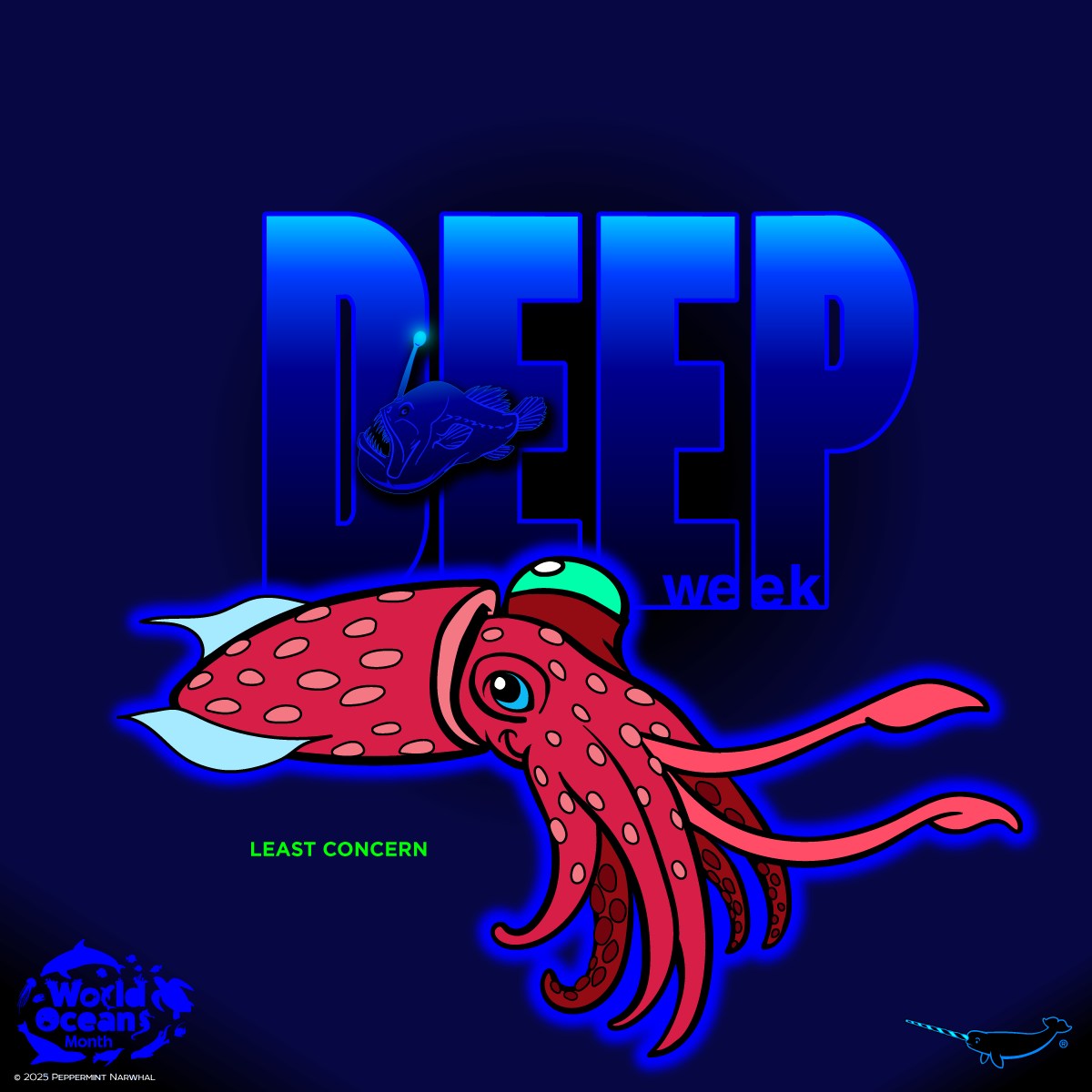
- Exploration of deep-sea creatures and their habitats.
- The fascinating adaptations of the Strawberry Squid.
- The ecological importance of deep-sea environments.
- The role of conservation in preserving deep-sea biodiversity.
- Practical ways to engage in and support ocean conservation efforts.
Exploration of Deep-Sea Creatures and Their Habitats
The ocean’s depths present an environment of extremes, defined by high pressure, perpetual darkness, and cold temperatures. These conditions might seem inhospitable, yet this vast frontier teems with life, showcasing an incredible array of species uniquely evolved to thrive there. The exploration of these creatures offers insight into biological diversity and adaptation.
Deep-sea organisms exhibit extraordinary adaptations that allow them to survive and flourish in such harsh conditions. From bioluminescent organisms that use light as both a lure and camouflage to scavengers that feast on sunken detritus, the creativity of evolution is on full display. Each species plays a critical role, contributing to a complex and interdependent ecosystem.
The Fascinating Adaptations of the Strawberry Squid
Among the notable deep-sea inhabitants is the Strawberry Squid, scientifically known as Histioteuthis heteropsis. This remarkable creature resides at depths of 985 to 4,594 feet (300 to 1400 meters) around New Zealand. Its vibrant red skin, adorned with numerous photophores, gives it the appearance of a strawberry.
The Strawberry Squid exhibits a unique ocular adaptation. With one eye significantly larger than the other, it utilizes this configuration to optimize its vision in dimly lit waters. The larger eye, protruding from the head, scans above for elusive prey, detecting faint silhouettes against the scarce light filtering from above. Meanwhile, the smaller eye focuses downward, picking up on bioluminescent signals emitted by other deep-sea organisms.
These adaptations illustrate the squid’s evolutionary ingenuity, highlighting how life in the deep ocean has sculpted creatures with specialized tools for survival.
The Ecological Importance of Deep-Sea Environments
Deep-sea ecosystems are not isolated wonders but integral parts of Earth’s biosphere. They provide essential services such as carbon sequestration, influencing global carbon cycles. The decomposition of organic material and the activities of deep-sea organisms play pivotal roles in nutrient cycling.
Moreover, the deep ocean harbors a wealth of genetic diversity that could offer solutions to medical and technological challenges. Understanding and protecting these ecosystems ensures the continuity of these services and their potential benefits to humanity.
The Role of Conservation in Preserving Deep-Sea Biodiversity
As human activities extend their reach into the deep ocean, the threats to these habitats increase. Deep-sea mining, trawling, and pollution pose significant risks to these fragile ecosystems. Conservation efforts are crucial in safeguarding the biodiversity that resides in the ocean’s depths.
Establishing marine protected areas, regulating deep-sea fishing, and implementing sustainable practices are vital strategies. These measures help preserve the intricate web of life in the deep sea and ensure that future generations can continue to study and benefit from these ecosystems.
Practical Ways to Engage in and Support Ocean Conservation Efforts
Supporting ocean conservation begins with awareness and education. Individuals can contribute by advocating for policies that protect marine environments and participating in citizen science projects. Simple actions, such as reducing plastic use and supporting sustainable seafood choices, collectively make a significant impact.
Engaging with initiatives that focus on protecting ocean habitats fosters a connection between people and the sea, encouraging a stewardship ethic that values and respects marine diversity. Every effort counts in maintaining the health and vitality of our oceans.
This exploration of Happy Deep Week underscores the fascinating world that exists beneath the waves. By understanding these deep-sea creatures and their environments, we can appreciate the critical balance of life on Earth and our role in preserving it.
*****
Source Description
Happy Deep Week!
Once again we are plunging deep into the ocean to explore the creatures that literally live where the sun doesn’t shine. So stay connected with us all this week for a daily spotlight from THE DEEP!
Did You Know? – The Strawberry Squid, also known as the Cockeyed Squid, (Histioteuthis heteropsis) lives deep inhabits the deep waters around New Zealand at depths ranging from 985-4,594 ft (300-1400 m). Its name the Strawberry Squid, is due to its rich red skin pigmentation and the presence of photophores along its body, making it appear like a strawberry with seeds. Its other common name, the Cockeyed Squid, is because of its two distinct different looking eyes. Its one eye is small, blue, and fairly what you would expect from a squid eye, while the other eye is twice that size, bulging out of the top of the head. It is thought that the larger eye looks above searching for shadows of prey in faint light, while the other eye looks downwards for bioluminescent signals. A Bizarre but elegant solution to best seeing things in both the up and down directions of its deep ocean home.
THE DEEP MERCH: https://www.peppermintnarwhal.com/s/search?q=deep%20fish
Shop
www.peppermintnarwhal.com
International Shoppers (outside of the USA and Canada) visit our store on Etsy:
www.etsy.com/shop/PeppermintNarwhal
