
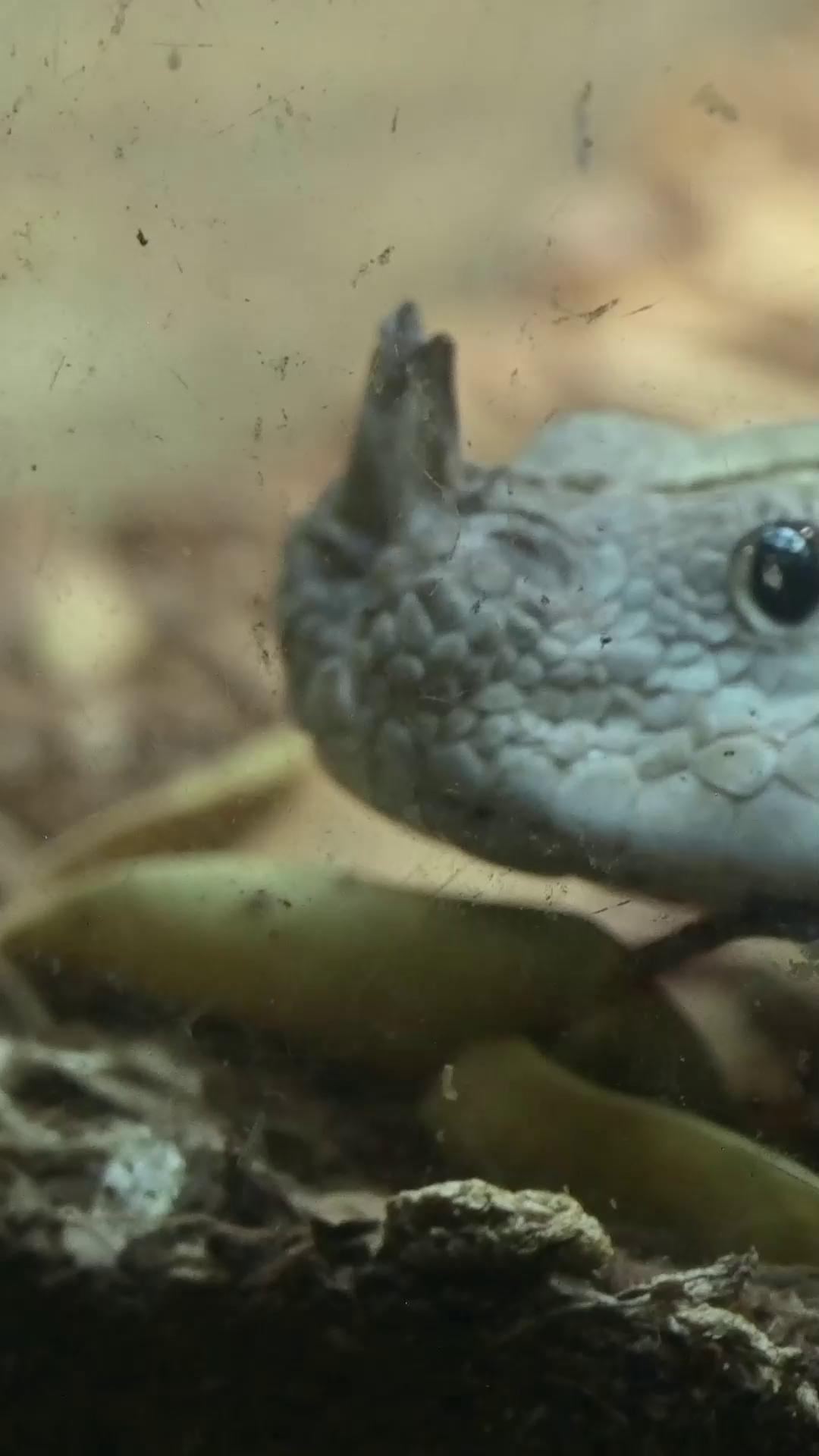
- The Western Gaboon viper’s striking coloration and patterns serve as effective camouflage in its natural habitat.
- Its ambush hunting strategy highlights its role as an apex predator in the ecosystem.
- Factors influencing its distribution and habitat preferences contribute to its conservation status.
- The snake’s venom composition and its ecological significance showcase its importance within the food web.
- Conservation efforts and the challenges facing the Western Gaboon viper illustrate the need for habitat protection.
The Western Gaboon viper, also known scientifically as Bitis gabonica, is a remarkable serpent native to the tropical forests and savannahs of Central and West Africa. Its impressive physical characteristics, particularly its distinct coloration and intricate patterns, serve not just for beauty but play a crucial role in its survival. With shades that range from reddish-brown to olive green and adorned with bold geometric patterns, the Western Gaboon viper can blend seamlessly into the leaf litter of its environment. This camouflage is a vital adaptation that allows it to effectively ambush unsuspecting prey as they traverse the forest floor.
The venomous nature of the Western Gaboon viper adds complexity to its hunting methods. Instead of actively pursuing its food, this snake employs a tactic known as ambush hunting. Typically, the viper will remain still, giving it an advantage as it waits for an opportunity to strike. The snake’s large size—being one of the heaviest vipers in existence—does not hinder its stealth. The Western Gaboon viper can grow to over six feet in length, and its robust body is equipped with formidable fangs that can exceed two inches. This arsenal allows it to incapacitate prey, primarily small mammals, birds, and amphibians, with astonishing efficiency.
Distribution plays a crucial role in understanding the Western Gaboon viper’s ecology. The species thrives in diverse habitats across the rainforests, marshes, and savannahs of its range, from southern Cameroon to parts of Uganda. Its preference for humid environments has implications for its behavior, as it relies on certain vegetation types for both camouflage and hunting. The presence of leaf litter, logs, and dense underbrush provides not only excellent concealment but also a hunting ground filled with various prey options. Such habitat requirements have significant conservation implications, as changes in land use, deforestation, and urbanization pose threats to the snake’s survival.
The Western Gaboon viper’s venom is another aspect that underscores its ecological importance. Composed of a complex cocktail of enzymes and proteins, the venom is primarily hemotoxic, meaning it can disrupt blood and tissue functions in its prey. While this can seem fearsome, it’s vital to understand that the viper’s role in the ecosystem is complementary. By regulating populations of small mammals and other prey, it helps maintain the balance within its environment. Thus, this viper not only exemplifies adaptability but also represents a crucial part of its habitat’s food web.
Despite its ecological significance, the Western Gaboon viper faces several challenges that jeopardize its populations. Habitat destruction due to human activities is a leading cause of decline. As forests are cleared for agriculture or urban development, the available habitat for the viper shrinks. Furthermore, the illegal pet trade poses additional risks. Due to its captivating appearance, this species may be sought after by reptile enthusiasts, further complicating conservation efforts. Protecting the Western Gaboon viper’s habitat is essential to its survival and the maintenance of biodiversity in its ecosystem.
Conservation initiatives must address the specific needs of the Western Gaboon viper. This includes promoting habitat preservation and creating awareness about the species. Educational programs can inform local communities about the ecological role of this viper and foster respect for wildlife. Investing in protected areas where this snake can thrive is also crucial. Conservationists advocate for the establishment of reserves that safeguard both the viper and its habitat, enabling ecosystems to function effectively.
The Western Gaboon viper’s behaviors, habitat needs, and venomous adaptations highlight its importance within its ecosystem. The stunning coloration and effective camouflage allow it to thrive as an ambush predator, expertly blending in with its surroundings. Understanding its role can enrich the broader conversation about wildlife conservation and environmental stewardship. In a world where biodiversity is increasingly under threat, prioritizing such species is fundamental for ecological balance and health.
Through continued research and conservation efforts, we can work collectively to ensure that the Western Gaboon viper is not only a part of our natural surroundings but also an emblem of the intricate ecosystems they inhabit. Each ambassador of biodiversity, like this snake, plays a pivotal role in sustaining the environment we all share.
*****
Source Description
The Western Gaboon viper’s markings and coloring allow it to camouflage perfectly among leaf litter, waiting for its prey to pass by before it ambushes. That’s one stealthy snake!
Check it out in the LAIR! 🐍
📸: Zach Rich
