
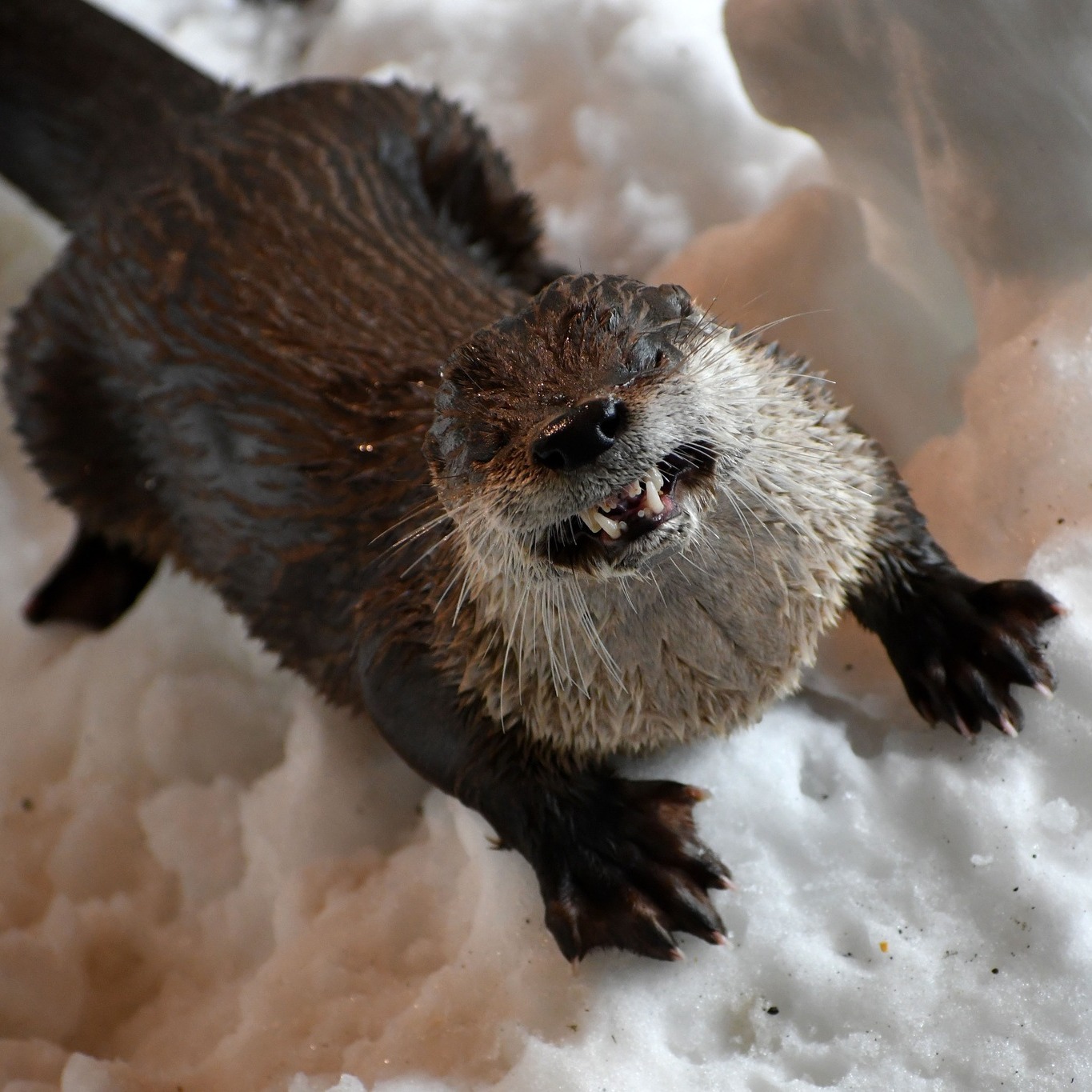
- The psychology behind animal expressions and how it relates to human interpretations.
- The role of zoo management in enhancing animal welfare and understanding animal behavior.
- Wildlife photography and the ethical considerations of capturing animal images.
- Conservation efforts and the importance of maintaining natural habitats for diverse species.
- The impact of environmental factors on animal mood and expression in captivity and the wild.
Animal expressions capture our imagination, bridging the gap between human and animal worlds. Understanding these expressions, particularly when animals appear to smile or remain stoic for the camera, requires diving into the realm of animal psychology and behavior.
Animals communicate using a complex blend of vocalizations, body language, and facial expressions. What might be perceived as a smile in a dog—a relaxed posture and wagging tail—can be a signal of threat or discomfort in other species. For example, primates often display their teeth as a submissive gesture rather than a sign of happiness. Thus, it’s crucial to approach these expressions with a contextual understanding. Human interpretations are often anthropomorphic, meaning they project human emotions onto animals. While this can foster empathy, it can also lead to misunderstandings.
The psychology behind animal expressions is intricate. Each species has evolved specific signals to communicate within its social structure. In many primates, a real smile involves a smooth forehead and a relaxed face. Dolphins, however, always seem to grin due to the shape of their mouths. This permanent "smile" has nothing to do with their emotional state. Recognizing these nuances is crucial for anyone interested in zoology and animal care.
Zoo management plays a significant role in observing and enhancing animal behaviors. Modern zoos focus on creating environments where creatures can exhibit natural behaviors. Enclosures are designed with enrichment activities that stimulate the mind and body, aiming to mimic conditions found in the wild. Enrichment can include puzzle feeders, varied physical structures, and social interactions that encourage species-specific behaviors.
Zoo managers and caretakers collect data on animal behavior and health, using it to improve living conditions. Behavioral specialists study how animals respond to changes in their habitat, diet, and social groups. This knowledge is integral for improving animal welfare and ensuring that each species thrives in captivity. Advanced training programs for zoo staff emphasize the importance of reading body language and responding appropriately to each animal’s needs.
Wildlife photography requires patience, understanding, and a deep respect for the subject being captured. Photographers often spend days or weeks observing animals in their natural habitats to capture authentic expressions. The ethics of wildlife photography necessitate minimizing interference with the animals’ natural activities. Using appropriate equipment and maintaining a respectful distance ensures that the presence of humans does not alter animal behavior or habitat.
Photographers often debate whether animals show familiarity or even disdain towards cameras. While some creatures appear curious, others ignore or avoid human presence altogether. The photographer’s skill lies in capturing images that tell a true story of the animal’s life without fabricating emotions. Ethical photographers aim for authenticity, capturing moments that reflect the genuine nature of their subjects.
Conservation efforts are vital in maintaining ecosystems that support diverse species. Protecting habitats ensures animals can live and express themselves naturally. Conservationists focus on preserving areas that are crucial for breeding, feeding, and shelter. These efforts work alongside captive breeding programs in zoos to reintroduce species into their natural habitats.
Biodiversity is essential for ecological balance. By maintaining varied natural spaces, animals have the opportunity to communicate and express themselves as they have evolved to do. Conservation projects often involve community education and collaboration, emphasizing the value of sustainable practices that support wildlife and human needs alike.
Environmental factors significantly impact animal mood and expression. Changes in weather, habitat conditions, and human activity influence animals both in the wild and in captivity. In zoos, efforts to simulate seasonal changes or natural occurrences keep animals engaged and content. Outdoor enclosures with elements such as water features, vegetation, and varying terrain offer sensory experiences that align with the animal’s natural preferences.
In the wild, animals must adapt to ever-changing environments. Climate change poses a threat, altering habitats and forcing species to migrate or adapt. This frequently results in stress, reflected in their expressions and behaviors. Scientists and researchers are working to understand these impacts more fully, developing strategies to mitigate negative effects on wildlife populations.
In addressing the topic of sometimes you feel like smiling for the camera and sometimes you don’t, it becomes clear how interconnected animal behavior, zoo management, photography, and conservation are. Animals exhibit complex emotions and behaviors that require knowledgeable interpretation. By studying their expressions and ensuring their environments meet their needs, we can enhance their well-being and maintain the rich diversity of life on our planet. Understanding and respecting animals’ true expressions enriches our perspective and fosters a deeper connection to the living world.
*****
Source Description
Sometimes you feel like smiling for the camera and sometime you don’t.
