
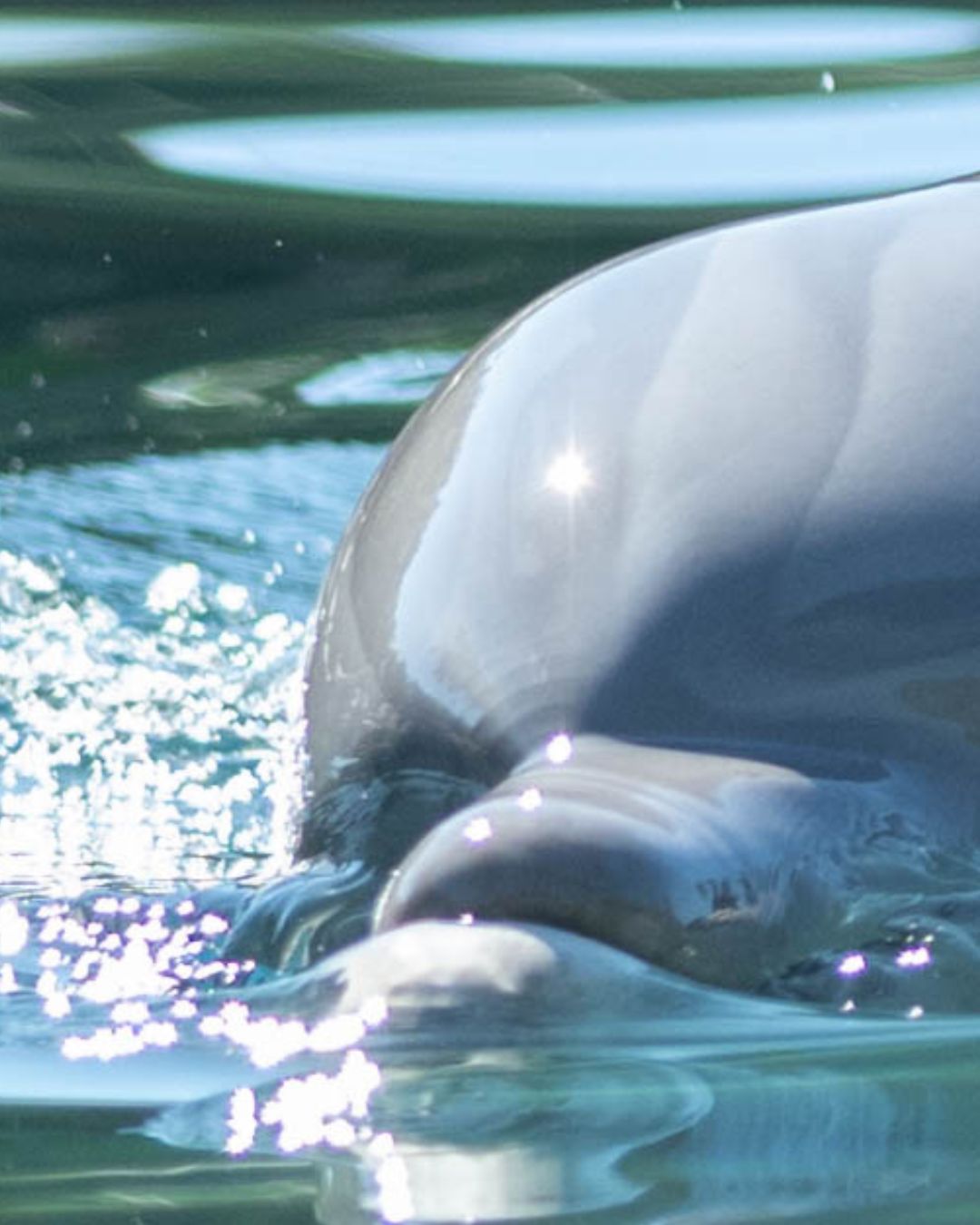
- Understanding Animal Close-Ups: What Distinguishes Different Species
- The Importance of Animal Identification in Conservation Efforts
- Knowledge of Animal Anatomy: Clues for Guessing Species
- Engaging with Wildlife: The Role of Public Participation in Conservation
- Challenges Facing Wildlife Conservation Today
Animal close-ups can be both captivating and educational. When observing the intricate details of an animal’s anatomy, one may find clues that hint at its identity. Close-ups provide an engaging way for individuals to interact with wildlife and foster a deeper understanding of the diverse species on our planet.
When discussing the ability to guess an animal solely based on its close-up, one must first understand what distinguishes various species. The anatomy of an animal, including skin texture, coloration, and specific physical features, plays a crucial role in identification. For example, the intricate patterns on a reptile’s scales can sometimes indicate its family or genus. Similarly, the eyes of certain mammals can offer insights into their lifestyle and behavior. Recognizing these details allows enthusiasts to make educated guesses about the animal in question.
Moreover, animal identification is essential in conservation efforts. Each species represents an integral part of the ecosystem, and knowing which animals are at risk can drive necessary conservation initiatives. Species on the brink of extinction often require immediate attention and protection. Identifying these animals accurately can help conservationists allocate resources effectively. In many cases, public interest and involvement in animal identification—such as participating in community projects or citizen science initiatives—can serve as powerful tools in protecting vulnerable species.
An understanding of animal anatomy can also serve as a useful skill for both professionals and the general public. Many characteristics can be observed even in close-up images. For instance, the specific pattern of stripes on a zebra can differentiate it from other equine species. The markings of a tiger or the shape of a lion’s mane can hint at its geographic location. Just as artists study human anatomy for realism, wildlife enthusiasts benefit from recognizing how distinct anatomical features relate to a species’ ecological role.
Engagement with wildlife not only raises awareness but also promotes conservation habits among community members. Public participation in animal guessing activities, such as wildlife quizzes or photo challenges, can ignite curiosity and motivate people to learn more. By guessing which creature is which, participants deepen their understanding of biodiversity and the importance of maintaining it. This engagement translates to action, as people who feel connected to wildlife are often more inclined to advocate for protected areas and species conservation.
Despite these avenues for engagement and awareness, wildlife conservation today faces significant challenges. Habitat destruction, climate change, and poaching are pressing threats that necessitate a concerted effort from global communities. Many species found in biodiversity hotspots are under threat, making it more crucial than ever for individuals to understand and identify animals in their local ecosystems. Awareness leads to informed actions, further fostering a culture of stewardship for our natural world.
In summary, animal close-ups present an opportunity for education and involvement in wildlife conservation. By understanding physical traits and encouraging public participation, we can collectively contribute to protecting the diverse species that inhabit our planet. The next time you see a close-up of an animal, consider the details and what they reveal about that creature. Can you guess these animals by just these close-ups? Drop your guesses in the comments below!
*****
Source Description
Can you guess these animals by just these close-ups? 🔍👀 Drop your guesses in the comments below!
