
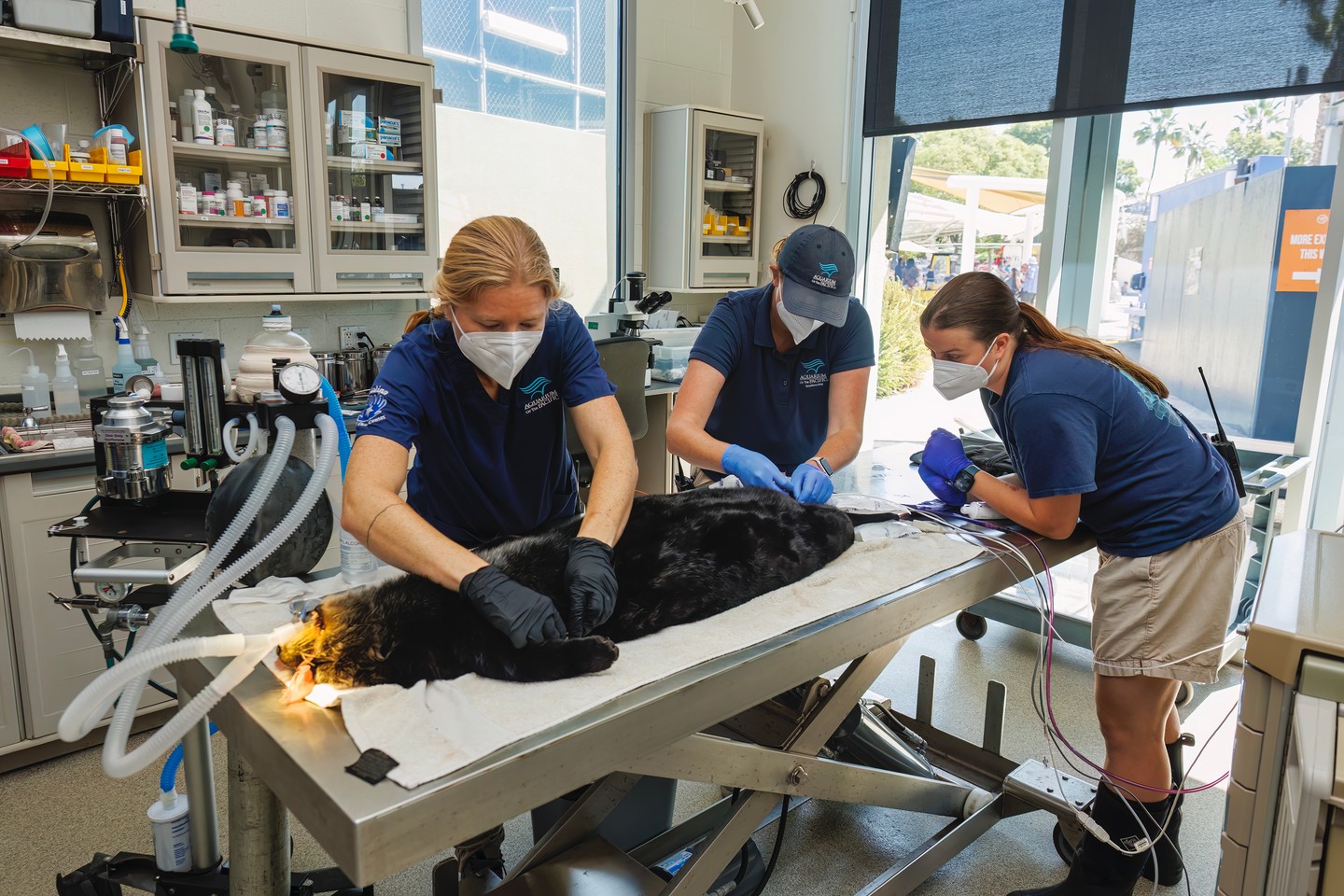
- The role of veterinary technicians in aquarium settings
- The importance of veterinary care for diverse species
- Rescue and release programs at aquariums
- Challenges faced by veterinary technicians
- The significance of recognizing and celebrating veterinary technicians
Veterinary technicians play a fundamental role in the care of animals within aquarium settings. These professionals are trained to provide essential medical attention and support not only for the animals that live permanently at the aquarium but also for those brought in through rescue and release programs. Their expertise extends across a wide range of species, including marine life like fish, reptiles, mammals, and invertebrates.
Veterinary technicians must thoroughly understand the biology and health care of various species that make up the aquarium’s collection. This includes monitoring vital signs, administering medications, and performing routine health assessments. They often collaborate with veterinarians to formulate treatment plans tailored to each species’ specific needs. The demands of their job require a solid knowledge base in animal anatomy, physiology, nutrition, and behavioral science. For aquatic creatures, this means understanding how water quality, temperature, and environmental conditions impact health.
Veterinary care is especially crucial for the 12,000 animals residing in the aquarium. Many of these species face threats in their natural habitats due to pollution, climate change, and habitat destruction. Rehabilitation efforts can be intensive and require significant resources. Veterinary technicians take on the responsibility of diagnosing and treating illnesses, injuries, and chronic conditions. Their roles encompass procedures like administering anesthesia for surgeries, performing dental cleanings, and designing rehabilitation protocols for animals recovering from illness or injury.
Aquarium rescue and release programs are critical components of wildlife conservation. When injured or stranded animals are found, veterinary technicians play an essential role in their recovery. Many marine mammals, sea turtles, and birds become victims of human activity—whether from entanglement in fishing gear or ingesting plastic debris. In these cases, veterinary technicians provide lifesaving treatments and work tirelessly to rehabilitate these animals for eventual release back into the wild.
The journey from rescue to release is often rigorous. It begins with an evaluation of the animal’s health status. Veterinary technicians perform initial assessments that determine the extent of any injuries and initiate care plans. Upon stabilization, the animals are nurtured back to health, requiring constant monitoring and specialized treatments. This work includes providing appropriate nutrition and physical therapy to restore their strength. The veterinary team documents progress meticulously to ensure the quality of care and to inform future rehabilitation strategies.
Challenges frequently arise during the course of veterinary care, both for animals at the aquarium and those undergoing rehabilitation. For example, stress-induced illnesses can develop in marine life brought into captivity. Additionally, complex medical conditions can require diagnostic imaging, surgical interventions, and long-term management Plans. Veterinary technicians face these obstacles head-on and constantly adapt their approaches based on new findings and breakthroughs in veterinary science.
Recognizing and appreciating the work of veterinary technicians is vital. Their dedication, skill, and compassion deserve the highest acknowledgment. By understanding the critical roles they play in the aquarium’s operations, the public can gain insight into wildlife conservation and the broader implications of animal welfare. Awareness encourages support for the often challenging work that goes into maintaining healthy populations of aquatic species.
Education remains a cornerstone of veterinary technicians’ ongoing development. Many pursue certifications in specialized areas such as aquatic animal health, which enhances their ability to provide species-specific care. Professional development is essential in this field, particularly as advancements in veterinary science can lead to improved practices and outcomes for aquarium residents and wild animals alike.
The contribution of veterinary technicians extends beyond the aquarium. They are advocates for wildlife conservation and participate in community outreach programs. Providing education about local ecosystems and the impacts of human activities fosters an informed public that values animal welfare. Their collaborative efforts with other conservation organizations amplify the impact of veterinary care on a larger scale.
In summary, the extensive responsibilities taken on by veterinary technicians provide vital support for over 12,000 animals in aquariums and through rescue and release initiatives. Their commitment to animal health is reflected in their tireless work in rehabilitation efforts, educational outreach, and ongoing professional development. By honoring these professionals, we heighten awareness of the importance of veterinary care in wildlife conservation and promote a culture that values the work they do every day.
*****
Source Description
It’s Our incredible Veterinary Technicians provide vital care for the 12,000 animals that reside at the Aquarium, AND tend to animals that are a part of our rescue and release programs. 🩺🦦🐢🦭🩻
Their world-class care and commitment deserves to be celebrated, please join us in appreciating all that they do! 👏
