
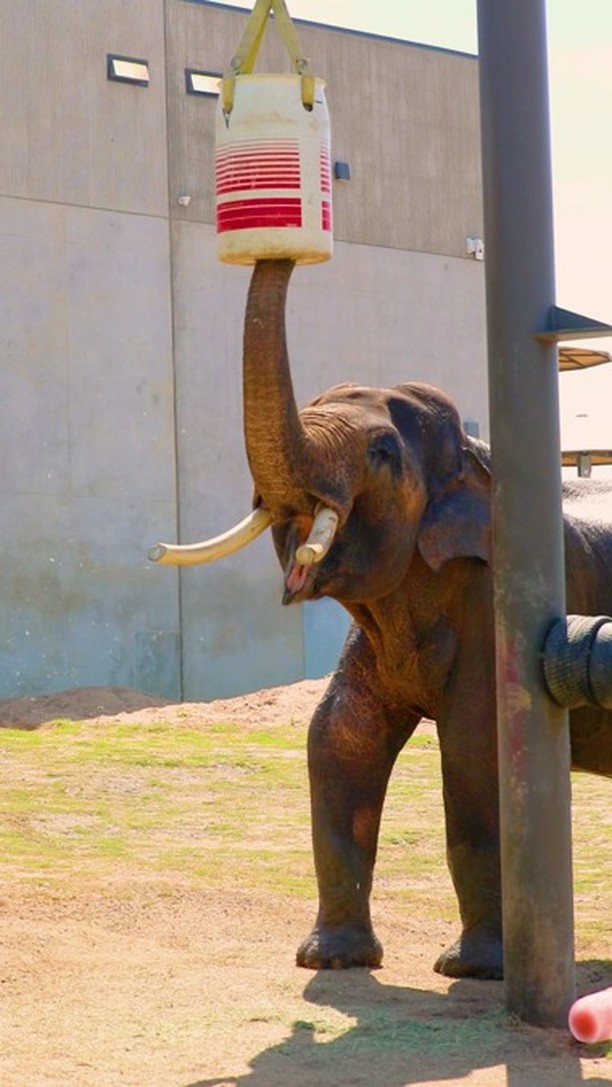
- Happy at Tulsa Zoo focuses on the specialized care provided to Asian elephants.
- The importance of elephant enrichment activities for mental and physical wellness.
- Geriatric care measures in place for older elephants.
- Collaborative conservation efforts with organizations like Elephants Alive and Asian Elephant Safe.
- Community engagement and awareness around elephant conservation.
Caring for Asian elephants is a multifaceted endeavor at the Tulsa Zoo. Each day, the dedicated team works to support the species and the unique individuals within our herd. This specialized care structure reflects a commitment to animal welfare and offers a learning opportunity for the public. The significance of such programs cannot be overstated, as they help in fostering a deeper understanding of the species and their plight both in captivity and the wild.
The mental and physical health of elephants is significantly influenced by enrichment programs. At the Tulsa Zoo, enrichment activities are crafted with the elephants’ natural behaviors in mind. Elephants in the wild spend their days foraging, socializing, and exploring diverse terrains. Mimicking these activities in a controlled setting is crucial. Enrichment items such as puzzle feeders, varying food types, and environmental changes help stimulate their cognition. These activities can reduce stress and harmful behaviors, which can occur if animals become bored in their enclosures.
In addition to environmental enrichment, there’s a concerted focus on providing the best geriatric care for older elephants. Senior elephants often have specific health considerations. Monitoring their diet becomes essential as nutritional needs shift with age. For example, older elephants may require softer foods to facilitate easier digestion. Moreover, regular veterinary check-ups are paramount to track any age-related health issues such as arthritis or dental problems. Attention to these needs not only improves the quality of life but extends it, allowing these magnificent animals to thrive in their later years.
Collaboration with conservation organizations adds another layer of depth to Tulsa Zoo’s mission. The partnerships with Elephants Alive and Asian Elephant Safe highlight the zoo’s commitment to protecting elephants in their natural habitats. These organizations engage in conservation projects, research, and community education aimed at preserving elephant populations in the wild. Through these collaborations, the zoo contributes to efforts that aim to combat poaching, habitat loss, and human-elephant conflict.
Community engagement plays a critical role in raising awareness about the challenges elephants face. Educational programs at the zoo aim to inform visitors about the importance of conservation and responsible wildlife stewardship. These initiatives underscore the idea that preservation needs active community participation. Regular events, discussions, and social media outreach help to connect the public with conservation efforts. By sharing stories and facts about Asian elephants, the zoo fosters a sense of responsibility among visitors.
An important component of the Tulsa Zoo’s mission is to promote empathy and understanding towards these majestic creatures. By engaging with the community, the zoo invites individuals to be active participants in the conservation conversation. Simple actions, such as spreading awareness, can contribute to significant change. Each person can play a role in safeguarding elephants, whether it be through supporting conservation organizations, participating in advocacy, or making informed choices about wildlife-friendly products.
Scientific research is also pivotal for improving care practices for elephants. Ongoing studies focus on their behavior, social structures, and health metrics. Data collection and analysis allow experts to develop best practices for the management of elephants in both zoos and sanctuaries. This research informs not only the experts at the Tulsa Zoo but also other institutions globally striving for the high-quality care and conservation of Asian elephants.
Technology also finds its place in enhancing elephant care. Digital tracking tools monitor elephant locations and health data. Such advancements enable caretakers to respond quickly to health issues or behavioral changes. Innovations in veterinary medicine, such as non-invasive imaging techniques, provide insights into the elephants’ health without causing stress or discomfort.
As we observe the daily activities of elephants at the Tulsa Zoo, it offers a chance to reflect on their cognitive capabilities. Elephants exhibit remarkable intelligence and emotional depth. Studies have shown that they possess self-awareness, demonstrating behaviors such as recognizing themselves in mirrors. This level of intelligence necessitates a thoughtful approach to their care and well-being.
Asian elephants face numerous challenges in their natural habitats, such as poaching and habitat destruction. The threats to their survival emphasize the urgency for stronger conservation initiatives. This highlights why institutions like the Tulsa Zoo work tirelessly not only to care for elephants in captivity but also to advocate for their kin in the wild. Protecting their natural habitats and mitigating human-elephant conflicts are essential in maintaining stable populations.
In discussions around elephant conservation, the role of the community cannot be overlooked. Each visit to the zoo contributes to conservation funding, educational outreach, and research initiatives. With the public’s participation, awareness can grow exponentially. Being educated about the difficulties facing Asian elephants encourages more informed decisions regarding wildlife protection and sustainability.
The responsibilities of zoos extend beyond basic animal care. An institution like the Tulsa Zoo utilizes its resources to connect people with wildlife. The emotional engagement of visitors often leads to lasting impacts, inspiring future generations to regard elephant conservation as a personal priority. Factors like storytelling through videos and interactive exhibits bring elephants’ stories to life, deepening the connection between visitors and these magnificent animals.
Social media platforms enhance the zoo’s ability to share insights and engage with broader communities. For example, short videos showcasing elephant behaviors or care routines can captivate and educate audiences. This contemporary approach to education not only reaches local communities but also has the potential to familiarize global audiences with the plight of Asian elephants.
Celebrating milestones and successes in elephant care also contributes to their conservation narrative. Highlighting the individual stories of elephants at the Tulsa Zoo builds a unique connection with visitors. Showcasing these stories can inspire admiration and empathy, encouraging advocacy for elephant conservation.
In summation, the Happy at Tulsa Zoo initiative is a comprehensive approach to both care and conservation of Asian elephants. By focusing on specialized care, enrichment activities, geriatric support, and collaboration with conservation organizations, the zoo stands at the forefront of elephant welfare. Community engagement amplifies awareness, inspiring individuals to become proactive in wildlife conservation. As we share the stories of Asian elephants, we cultivate a culture of empathy and responsibility towards ensuring their future well-being. The work being done at the Tulsa Zoo transcends mere animal care; it embodies a commitment to safeguarding elephants, promoting their welfare, and educating the public on the critical issues they face in both captivity and the wild.
*****
Source Description
Happy 🐘 At Tulsa Zoo, we’re proud to care for Asian elephants every day, supporting not only the species, but the unique individuals in our herd. From enrichment to geriatric care, our team provides exceptional, individualized care tailored to each elephant’s unique needs.
We are also extremely proud to partner with @elephantsief and @asianelephant_safe to protect elephants in the wild.🌿🐘 Stay tuned all month long as we share more videos highlighting this incredible species!
Hey @okczoo, what are YOU doing for Asian elephants?
