
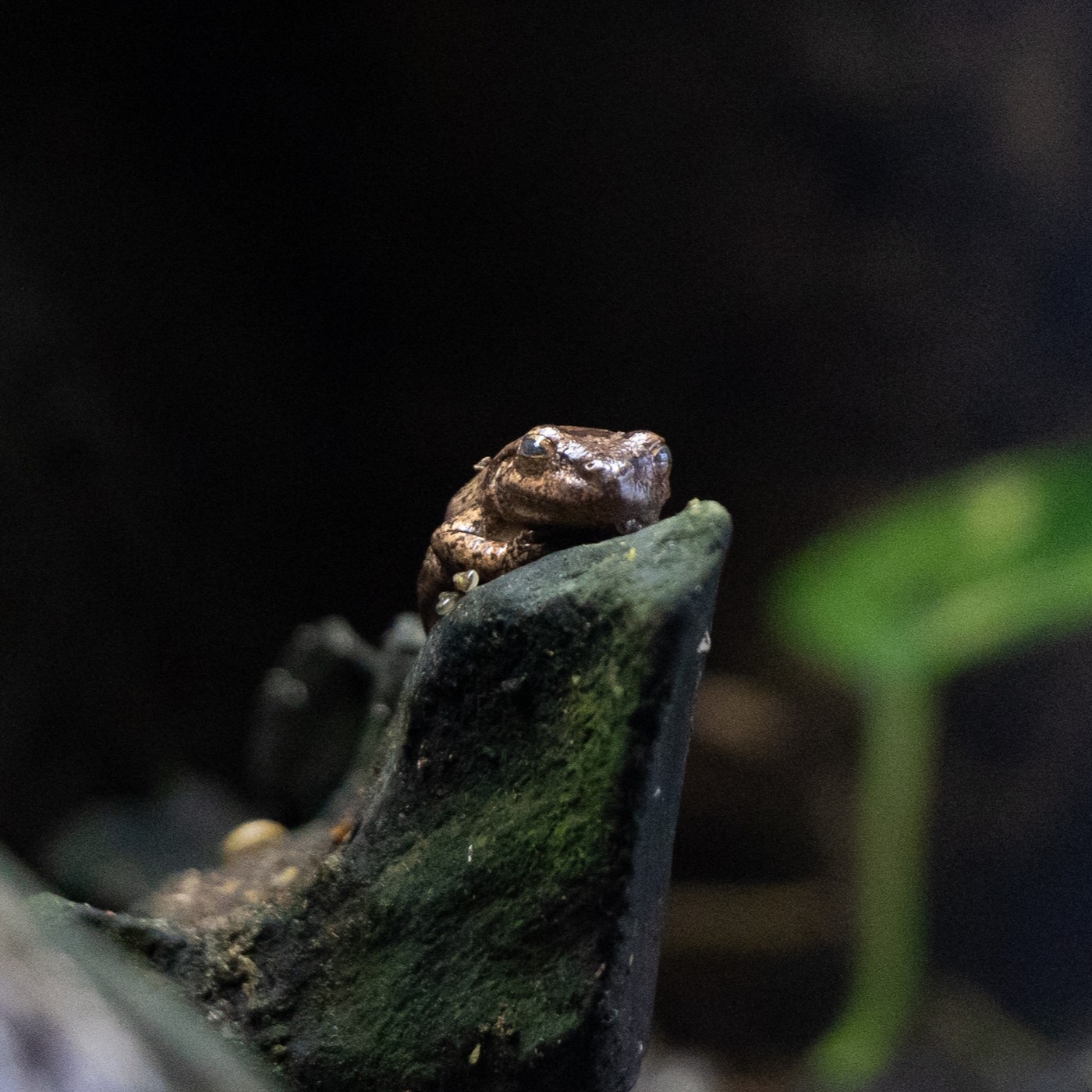
- The life cycle of frogs, toads, and salamanders, focusing on their dual habitat.
- The diversity of tree frogs and dart frogs, including their distinct characteristics and habitats.
- The role of amphibians in ecosystems and their importance for environmental health.
- Conservation challenges faced by amphibians globally, including habitat loss and climate change.
- Simple actions individuals can take to support amphibian conservation efforts.
The life cycle of frogs, toads, and salamanders is a fascinating journey marked by substantial transitions. Amphibians start their lives in aquatic environments as eggs. These eggs typically hatch into larvae—commonly known as tadpoles. Tadpoles are fully aquatic and equipped with gills, serving as the perfect adaptation for extracting oxygen from water. They feed on algae and organic material, growing rapidly in their early stages. As tadpoles mature, they undergo metamorphosis, losing their tails and developing lungs to survive on land.
Tree frogs provide an excellent example of this transformation. They thrive in ponds and waterways for breeding purposes, where eggs are laid and hatch into tadpoles. As these tadpoles metamorphose, they transition into adult frogs, venturing out to explore terrestrial habitats. This dual habitat—water in early life and land later—is essential for their survival. The transition between these two environments is a critical period, during which many species face numerous threats.
Exploring the diversity of tree frogs and dart frogs is particularly enlightening. Tree frogs, belonging to the Hylidae family, are known for their specialized adaptations that allow them to thrive in various environments. They often feature adhesive toe pads, enabling them to climb and navigate trees effectively. The vibrant colors of many tree frogs serve functions beyond aesthetic appeal—they can signal the frog’s health and alert potential predators to their toxicity.
Dart frogs, a subfamily of the Dendrobatidae family, are equally captivating. Many species exhibit vivid coloration, which acts as a warning to predators about their toxicity. These frogs are primarily found in tropical rainforests, where their habitats can be rich in biodiversity. Their skin secretes potent alkaloids, making them some of the most toxic animals on earth. Interestingly, the toxicity of dart frogs is often influenced by their diet; they derive these chemicals from consuming specific insects in their natural habitat.
Amphibians play a crucial role in ecosystems, providing numerous ecological functions that contribute to environmental health. They serve as both predators and prey, forming a vital link in food chains. Adult frogs consume a variety of insects, helping control pest populations, while tadpoles contribute to aquatic food webs. Furthermore, their permeable skin allows them to serve as bioindicators, reflecting changes in environmental quality. Monitoring amphibian populations can provide essential insights into ecosystem health, enabling scientists to identify potential environmental issues early on.
Despite their ecological importance, amphibians face numerous conservation challenges. Habitat loss remains one of the most pressing threats. Urbanization, agriculture, and deforestation have led to the degradation of natural habitats, reducing the available space for these creatures to thrive. Climate change complicates matters further by altering temperature and precipitation patterns, impacting breeding cycles and habitat availability. Additionally, pollution from pesticides and fertilizers affects water quality, posing risks to aquatic life stages.
The spread of infectious diseases, particularly chytridiomycosis, caused by the chytrid fungus, has led to significant declines in amphibian populations worldwide. This disease disrupts skin function, making it impossible for affected species to survive. Collaborative efforts among scientists and conservationists are critical to combating these challenges. Research on amphibian health and disease management is ongoing, focusing on developing strategies to protect vulnerable species.
Individual actions can contribute significantly to supporting amphibian conservation. Creating friendly habitats in backyards, such as mini-ponds or native plant gardens, can provide essential resources for local amphibians. Avoiding the use of harmful chemicals in gardening and landscaping can greatly benefit these populations. Educating communities about the importance of amphibians in ecosystems and advocating for legislative measures to protect their habitats can further enhance conservation efforts.
Engaging children and adults alike in amphibian awareness programs fosters a sense of stewardship, inspiring future conservationists. Collaborating with local organizations focused on wildlife conservation can amplify efforts, channeling resources into projects aimed at protecting amphibians.
In summary, amphibians like frogs, toads, and salamanders exhibit remarkable life cycles characterized by dual habitats—spending part of their lives in water and the remainder on land. The captivating diversity of species like tree frogs and dart frogs showcases their distinct adaptations, which are critical for their survival. Despite facing significant threats, including habitat loss and diseases, individuals can play an important role in conservation efforts to safeguard these fascinating creatures for future generations. Through education, advocacy, and community engagement, we can contribute positively to the protection of amphibians and their ecosystems, ensuring their presence for years to come.
*****
Source Description
Some ribbet-ing shots. 🐸 A froggy fact for Friday: amphibians like frogs, toads, and salamanders generally live the first part of their lives in water, and the other part on land. Species like our tree frogs, for example, breed in ponds and other bodies of water where the young hatch as tadpoles and remain aquatic during their juvenile stages. Once they reach adult form, they will journey out onto land for the second stage of their lives!
Photo Description: Various species of tree frogs and dart frogs at the North Building.
