
Summary of Caring for the G.O.A.T in their golden years:
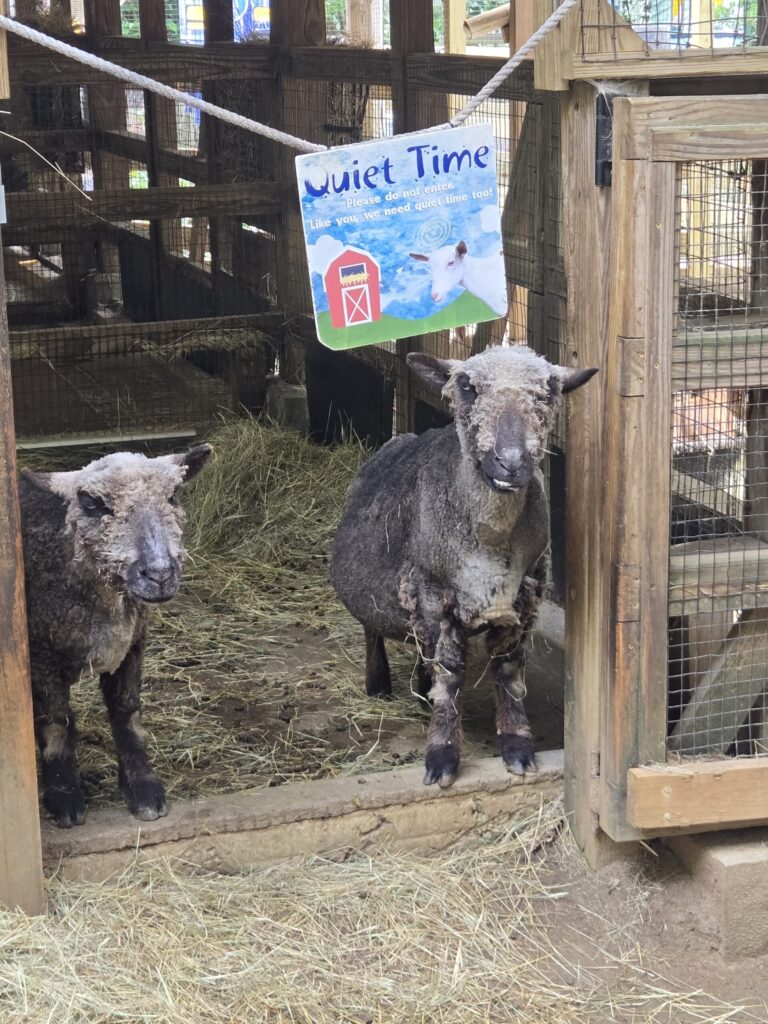
The article by Rebecca Young highlights the care provided to the elderly goats and sheep at Zoo Atlanta’s Orkin Children’s Zoo. With 12 goats and 6 sheep, many of whom are over 11 years old, the zoo staff monitors their well-being closely, conducting quarterly assessments and daily observations. As the animals age, they may experience decreased energy, weight loss, and cognitive decline, prompting special care such as personalized diets, bedding, and enrichment activities. The collaborative effort with veterinary staff ensures that any health changes or end-of-life decisions are handled with dignity and respect. Young encourages visitors to greet these cherished senior animals during their next visit.
- Understanding the Aging Process of Goats
- Dietary Adjustments for Senior Goats
- Environmental Enrichment and Comfort Measures
- Monitoring Health and Behavior Changes
- Final Care Considerations for Geriatric Goats
Caring for goats in their golden years requires a nuanced understanding of their aging process. Goats are social creatures, and just like dogs or cats, they experience various physical and mental changes as they age. Older goats may display shifts in energy levels, appear more lethargic, or not engage as actively with their environment. As they near the average lifespan of 10 to 12 years, their needs evolve significantly, demanding thoughtful care strategies to support their well-being.
The aging process can be noted in several ways. First, goats may start to exhibit shifts in body condition, showing signs of weight loss or muscle wasting. This could be due to dental issues, metabolic slowdowns, or other age-related health concerns. Additionally, cognitive changes can become apparent. Older goats may struggle with memory or recognition of familiar people and places. Regular assessment is vital to track these changes over time. It allows caregivers to anticipate various needs and adjust their approach accordingly.
Dietary adjustments are one of the most crucial aspects of caring for senior goats. As their ability to digest certain foods diminishes, their diet should be modified to include higher-quality hay and suitable grains. Special care must be taken to introduce these foods gradually to prevent any gastrointestinal upset. For aging goats, it’s also critical to monitor food intake regularly. Weight checks can transition from bi-monthly to weekly to ensure they maintain a healthy body condition. Offering different types of hay during “orchard time” enhances their dietary options and makes mealtime more enjoyable.
Geriatric goats often face challenges with weight management. They may require additional protein or caloric supplements to help them maintain their weight. A more nutrient-dense grain can be introduced once or twice daily to support their energy needs. These dietary changes must be supervised closely, particularly because older goats are at greater risk for specific nutritional deficiencies. Caregivers should consult with veterinarians to develop a tailored nutrition plan that caters to the specific health needs of each goat.
Equally important is the provision of a comfortable living environment for older goats. As they age, they often prefer specific resting spots that offer them safety and comfort. Caregivers must be attentive to individual preferences, ensuring that preferred areas are kept clean and inviting. Fluffy hay beds can provide much-needed support for their joints and bodies. Additionally, older goats may start to shy away from large crowds, opting for quieter spaces where they can still interact with caregivers without the stress of too many visitors.
Environmental enrichment plays a significant role in keeping older goats mentally stimulated. Providing a variety of toys, puzzle feeders, and routine interactions can help prevent boredom and anxiety. These activities also keep them engaged with their environment, which is crucial for cognitive health. Caregivers must introduce these elements thoughtfully and observe how each goat responds over time. If cognitive decline is suspected, special attention to enrich their habitat becomes increasingly important. Tailored enrichment activities can promote positive behaviors and reinforce their standing in the herd.
Monitoring the health and behavior of senior goats is essential. Regular well-being assessments should be conducted to identify any changes in appetite, activity levels, and social interactions. These observations help ensure that any issues are addressed promptly. When goats are observed resting more often or losing weight, caregivers must be proactive. This may involve adjusting feed types, offering new enrichment, or scheduling more frequent veterinary check-ups to assess health status.
Consistency and thoroughness in care routines are vital, especially as goats enter their twilight years. Older goats might need closer attention to some basic veterinary care routines, such as vaccinations and deworming schedules. Caregivers must also be alert to early signs of discomfort or pain. This vigilance allows for timely interventions, ensuring these goats enjoy a dignified life as they age.
As the discussion shifts toward end-of-life care, the focus should remain on the principles of compassion and respect. In veterinary care, this period can be challenging for caregivers. Conversations regarding end-of-life decisions require sensitivity and thorough input from all relevant team members. The goal should always be to provide comfort and dignity, ensuring that the animal’s final days reflect the love and care given throughout their life.
Providing an environment that emphasizes care and respect is paramount. For geriatric goats, this may include enhanced comfort measures, like soft bedding and peaceful surroundings. Families who are involved with goats at home should take time to cherish the strong bonds they share with these animals. Regular vet check-ups that consider both emotional and physical welfare ensure that goats receive the best possible care until the end.
The importance of advocacy cannot be overstated. As caretakers, the responsibility extends beyond ensuring their immediate needs are met. It encompasses education about their physiological and emotional wellness as they age. Through public contact and interaction with guests, older goats can highlight the beauty of these animals and promote awareness about their care needs. When visitors can engage with these elder animals, it fosters respect and empathy in the community.
In a zoo setting or at home, it’s essential to share knowledge about goats’ aging processes with a wider audience. Visitors engaging with senior goats can witness firsthand the special bond these animals share with their caretakers. Such interactions encourage conversations on sustainability, animal advocacy, and the importance of humane treatment throughout their lives.
Ultimately, caring for the G.O.A.T. in their golden years reflects not only a commitment to providing excellent care but also ensures they continue to thrive in a compassionate environment. As goats age, their needs require a dedicated approach that prioritizes health, comfort, and dignity. This comprehensive care extends well beyond the basics, including close monitoring of dietary needs, behavioral changes, and responsibilities in the face of aging. The welfare of senior goats reveals much about humanity’s responsibility toward animals and our commitment to fostering understanding and respect for all living beings.
