
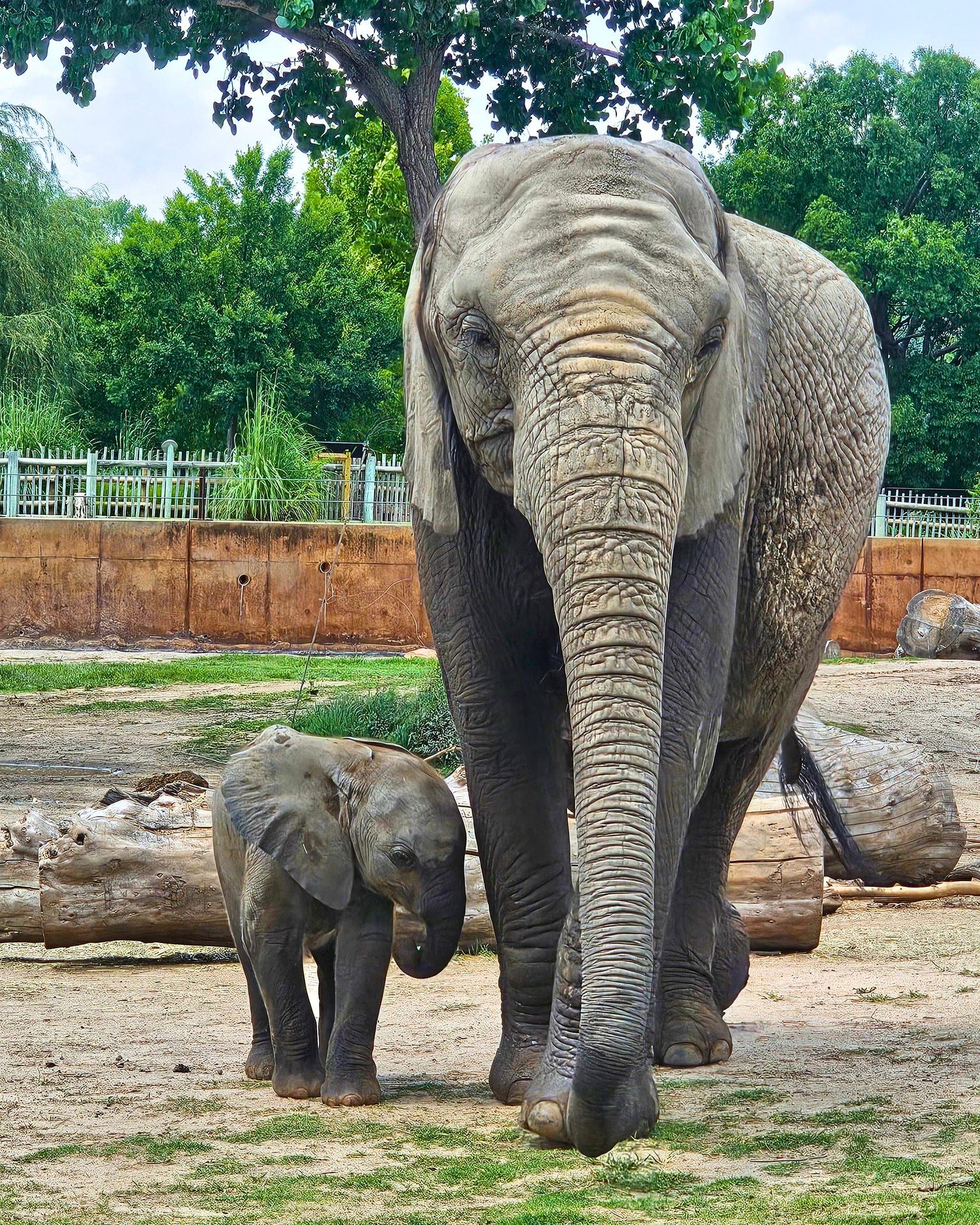
- The significance of maternal bonds in the animal kingdom, with a focus on Arusi and Asali
- The conservation efforts surrounding Arusi and Asali
- Insights into the behavioral traits of Arusi and Asali
- The role of zoos in wildlife education and conservation
- The broader implications of maternal care in wildlife
Maternal bonds in the animal kingdom are crucial for the survival and development of offspring. In many species, mothers play a pivotal role in nurturing and educating their young. This relationship is prominently displayed in the bond between Arusi, a female animal, and her daughter Asali. The close connection between them highlights not just their individual personalities but also the importance of maternal instincts across various species. Arusi’s care for Asali exemplifies how maternal figures often guide their offspring toward thriving in their environment.
Arusi, as a mother, embodies the essential qualities that enhance survival skills. She engages in lessons that teach Asali about foraging, social interaction, and self-defense. Observations indicate that these mother-daughter interactions significantly boost the young one’s resilience and adaptability. Their daily routines often include play and exploration, fostering not only physical strength but also emotional well-being. Such maternal guidance plays an indispensable role in Asali’s growth and development.
The conservation efforts associated with Arusi and Asali demonstrate the intricate relationship between animal care and mindful environmental stewardship. Zoos play an essential role in species conservation, and the public’s awareness and support can significantly impact these efforts. The story of Arusi and Asali has garnered attention, promoting discussions related to effective breeding practices and habitat preservation. Conservationists work tirelessly to maintain genetic diversity within captive populations, ensuring species viability for the future.
Analyzing the behaviors of Arusi and Asali reveals fascinating insights into animal communication and social structures. Animals exhibit diverse strategies for navigating their surroundings and interacting with one another, and maternal influence is often central to these behaviors. For example, the training Arusi provides helps Asali navigate challenges and social scenarios typical in their environment. Observances show that maternal behaviors, such as nurturing, protection, and education, are not merely instinctual but also learned through active participation in daily activities.
The role of zoos extends beyond merely housing animals. They act as educational platforms, aiming to inform the public about wildlife conservation. The presence of animals like Arusi and Asali can spark interest in broader conservation narratives. Educational programs highlight the importance of protective behaviors and maternal roles in animal welfare. Programs that spotlight these connections can foster empathy and inspire individuals to take action for wildlife preservation.
Additionally, the maternal care seen in Arusi and Asali reflects the broader implications of such behaviors in wildlife conservation efforts. Many species rely heavily on parental care for survival, particularly during early development stages. The role of mothers in providing security and teaching essential life skills is invaluable. This can shape conservation priorities, steering efforts towards protecting parental units in various species.
The story of Arusi and Asali provides a foundational example of how maternal influence shapes lives. Maternal nurturing can positively affect outcomes related to survival and adaptability. This insight carries weight in conservation discussions. Understanding how vital these bonds are can drive strategies that emphasize preserving natural habitats and enhancing animal welfare in captivity, allowing for healthy interactions in human-managed environments.
The connection between maternal figures and their young also underscores the ethical responsibility humans hold in wildlife management. As animal guardians, there is a moral obligation to replicate the nurturing environments that these young creatures would receive in the wild. A well-structured breeding program combined with educational outreach can provide the backdrop for fostering healthy, standalone populations in zoos and reserves.
Arusi’s experiences with offspring care elicit reflections on broader topics, such as how interactions between mothers and daughters can guide future generations. The behaviors learned in these formative years can have lasting impacts on community structure and dynamics. By studying animals like Arusi and Asali, researchers can gather valuable data that apply to conservation models and animal husbandry practices, enabling improved outcomes for various species around the world.
Ongoing studies into maternal behaviors, such as those observed with Arusi and Asali, present opportunities to gather longitudinal data on the ramifications of maternal care. The lessons learned from observing this pair can inform how zoo management should cater to young animals, ensuring optimal conditions for learning and growth. Furthermore, findings likely contribute to the broader body of knowledge regarding animal organizations and social behavior.
Zoos, with their emphasis on wildlife education and conservation, act as vital threads in the tapestry of environmental stewardship. They facilitate programs that teach visitors about the importance of appreciating and conserving wildlife. By engaging communities with stories like that of Arusi and Asali, zoos can foster a deeper understanding of the intrinsic value of protecting these species.
In conclusion, Arusi and Asali represent more than just charming figures in a zoo; they symbolize the interconnectedness of animal life and conservation efforts. Their bond speaks volumes about the significance of maternal care in wildlife and its implications for broader conservation strategies. Understanding this bond enriches our collective knowledge, guiding future practices in wildlife preservation and engagement.
*****
Source Description
Like mother, like daughter. 🧡 Arusi & Asali.
Photo Credit: Zoological Manager, Katie
