
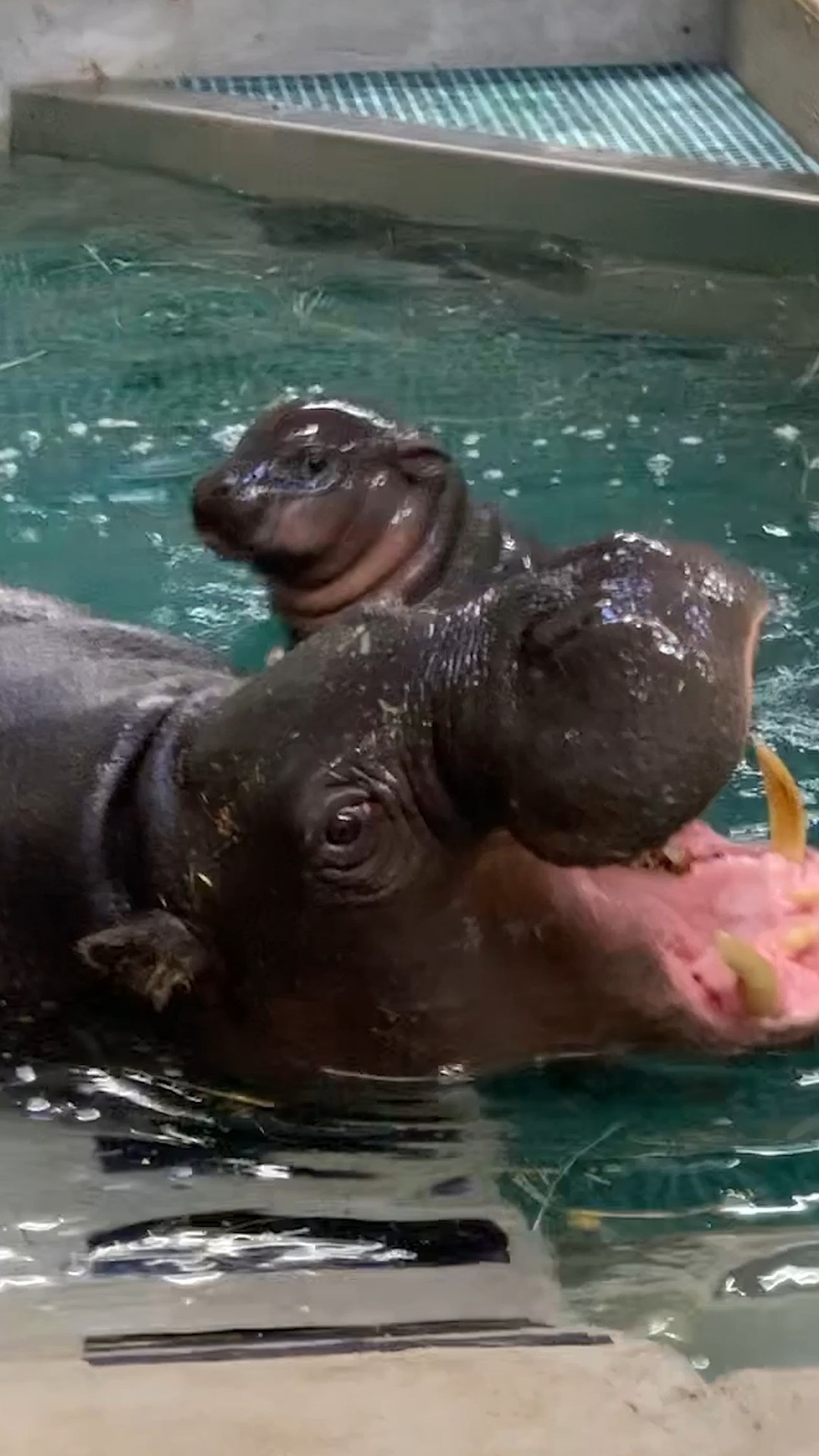
- Understanding the Slippery Spud: An Introduction to Hugo
- The Role of Zookeepers and Their Daily Responsibilities
- Wildlife Conservation and Its Impact on Species Survival
- Engaging the Public: The Importance of Animal Education
- The Anticipation of Hugo’s Public Debut
Hugo, a “slippery spud,” represents an intriguing case study in animal behavior and zoo management. His unique traits make him a subject of interest not only for zookeepers but also for wildlife enthusiasts. This round, potato-like animal is probably known best as a capybara, the largest rodent in the world, found predominantly in South America. Like other capybaras, Hugo exhibits social behaviors and adaptability, which are essential for survival in the wild.
Zookeepers like Amanda are crucial in providing care for animals like Hugo. Their responsibilities extend beyond feeding; they monitor health, maintain habitats, and even engage in behavioral enrichment to prevent boredom and promote natural instincts. These tasks require a comprehensive understanding of the animal’s needs and behaviors. For example, Amanda and her colleagues may utilize various strategies to stimulate physical and mental exercises, such as hiding food in different areas of the enclosure or providing toys to explore.
Daily care also includes vet check-ups. A thorough health assessment may involve weighing, checking for parasites, and assessing dental health. This is especially significant for capybaras, as their teeth continuously grow. Without proper monitoring, they may face serious health issues. Observing individual behaviors enables zookeepers to notice any deviations that may indicate illness. Such attentiveness affirms their role as the primary health guardians of these animals.
Wildlife conservation plays a vital role in protecting species worldwide, including capybaras. The survival of any species hinges on understanding its habitat, reproductive patterns, and environmental threats. Habitat loss due to agricultural expansion and urbanization poses significant risks for many species, including Hugo’s relatives. Conservation programs aim to mitigate these dangers through habitat restoration, anti-hunting initiatives, and environmental education. Educated and informed communities tend to advocate more effectively for conservation efforts.
Field studies have shown that engaging local populations in conservation leads to more sustainable outcomes. Farmers and communities near natural habitats benefit when caretakers promote coexistence with wildlife. In the case of capybaras, public appreciation can help curb perceptions of them as pests. Instead, they can be viewed as vital components of their ecosystems, significant for nutrient cycling and habitat maintenance.
The public’s interest plays a significant role in conservation. Keeping them informed inspires them to take an active stance in wildlife preservation. Public educational programs act as conduits for spreading knowledge. Zookeepers frequently conduct programs, offering insight into animal behaviors, diets, and habitats. These programs not only provide a solid understanding of the species showcased but also highlight the importance of biodiversity and ecosystem health.
With Hugo generating buzz, anticipation for his public outing is palpable. The excitement around his eventual appearance emphasizes the engagement factor in zoo experiences. Zoos are not merely places to view animals; they serve as educational hubs, aiding in wildlife conservation efforts and promoting awareness. As Hugo makes his debut, the story of his life behind the scenes transforms into an opportunity for zoos to articulate a message about the species-rich tapestry of the ecosystems.
Both zookeepers and the audience contribute to Hugo’s success as an ambassador of his species. Amanda’s commitment to nurturing Hugo parallels the broader mission of wildlife conservation. Through collaboration, they can inspire future conservationists, advocating for both education and preservation initiatives. The anticipation for Hugo’s first public appearance also serves to underline the interconnectedness of wildlife care, education, and the role of zoos in society.
Hugo is not just an animal in a zoo; he is a narrative waiting to unfold in the ongoing dialogue about wildlife conservation. As we eagerly await Hugo’s public debut, it’s apparent that actions taken today will affect not only him but countless species in their natural habitats. Embracing this responsibility opens pathways for innovative conservation strategies and builds a foundation for the next generation of environmental stewards. Each individual animal holds stories and significance that can resonate with a broad audience, making the excitement surrounding Hugo all the more meaningful.
As this slippery spud prepares to meet the world, we are reminded of the vital relationships that exist between humans and animals. The tales of such animals contribute to a greater understanding of life on Earth. They can foster connections that transcend species boundaries and spark advocacy for preservation efforts.
With the anticipation surrounding Hugo, it’s essential to remember that his story is part of a larger narrative. Each encounter with our wildlife fosters empathy and can lead to greater respect for the environment. As Hugo prepares to move from behind the scenes to the spotlight, we celebrate a new chapter dedicated to awareness and conservation—a venture to preserve our shared natural heritage for generations to come.
*****
Source Description
Sneakily trying to get a glimpse of the slippery spud like… 🫣
Hugo is still hanging out behind the scenes, but stay tuned for news about his first public appearance coming soon. 🤗
📸: Zookeeper Amanda
