
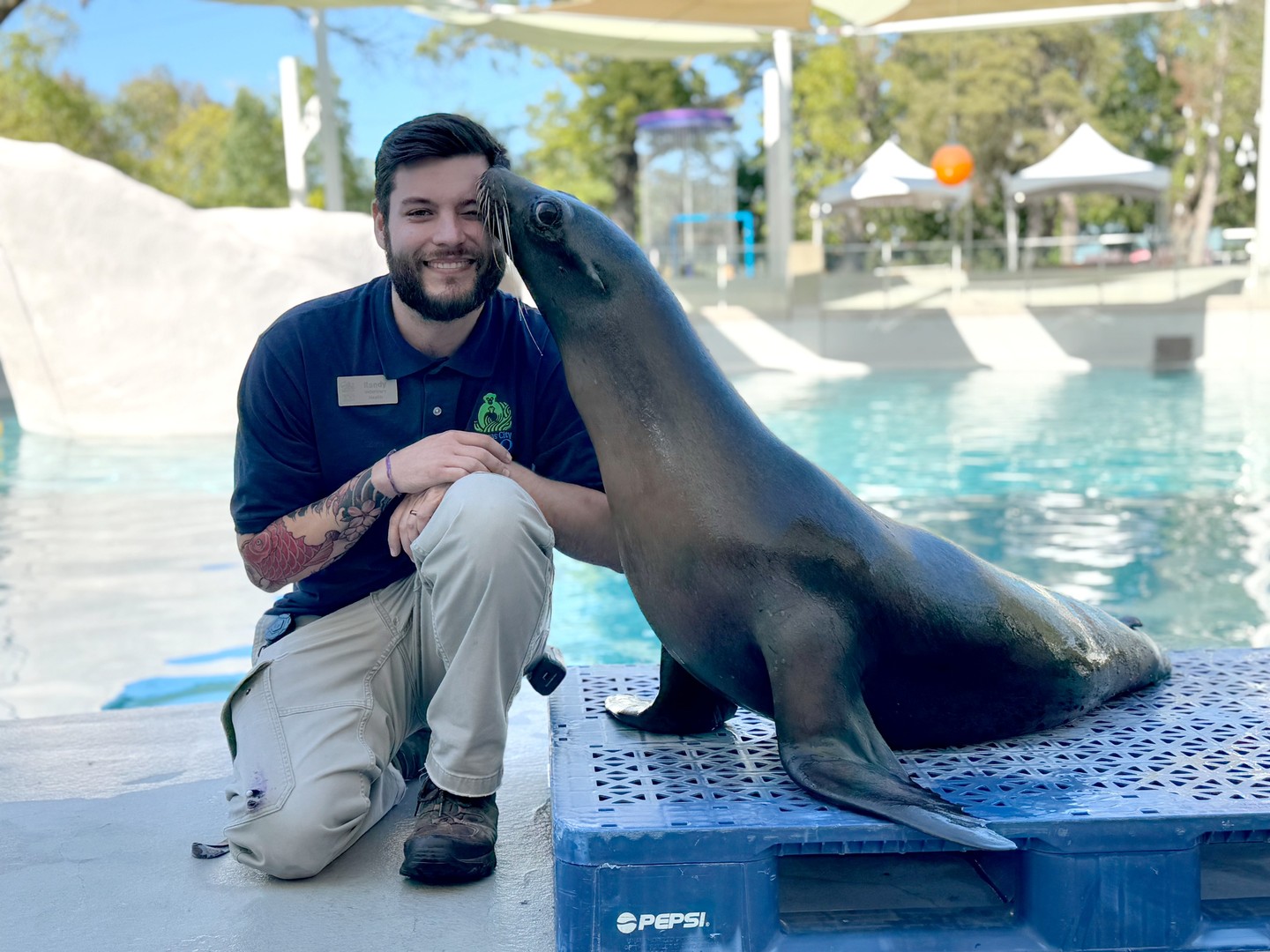
- Meet Randy, a dedicated veterinary technician at the Kansas City Zoo.
- The importance of formal training and hands-on experience in zoo veterinary medicine.
- Insights into the demanding nature of the veterinary technician role and the emotional resilience required.
- Special moments and memorable experiences in the zoo setting.
- Lesser-known aspects of veterinary technician duties and their contributions to animal training and wellness.
Randy has dedicated his career to animal health as a veterinary technician at the Kansas City Zoo (KCZoo) for over two-and-a-half years. His journey begins with formal education, which he emphasizes as a crucial step in his professional development. Randy graduated from an institution accredited by the American Veterinary Medical Association (AVMA). This program gave him a solid foundation in veterinary science. The hands-on training he received during his internship at KCZoo provided practical experience that has proven invaluable. The supportive team around him was instrumental, nurturing his learning and fostering his growth in a specialized field that combines veterinary medicine with the unique demands of a zoo environment.
The role of a veterinary technician is not limited to clinical work. It encompasses a variety of tasks and responsibilities that contribute to the overall well-being of animals in care. This environment requires ready adaptability and a keen eye for detail. Employees engage with a wide spectrum of species, each presenting its own medical challenges. The veterinary technician aids in procedures ranging from routine health assessments to more advanced diagnostics like blood draws and radiographs. The experience equips technicians like Randy to handle any situation that arises, a necessity in such dynamic surroundings.
For those considering a similar career path, Randy offers sage advice. “Stay positive and driven,” he encourages. The veterinary field can be a harsh landscape, fraught with challenges that can affect both mental and physical well-being. Compassion and empathy are cornerstones of this profession, and experience – whether through paid employment or volunteering – is vital. Opportunities may arise in various settings, from traditional clinics to wildlife rehabilitation centers. Each experience you acquire in these diverse environments plays a pivotal role in shaping your professional journey.
A memorable moment from Randy’s time at the zoo serves to highlight the joy interspersed within the demanding nature of his work. Recently, he interacted with a sea lion named Delilah during a routine treatment. The encounter was spontaneous yet memorable. Delilah, who had been practicing giving kisses, required a volunteer. For Randy, participating as Delilah’s partner was a simple but profound reminder of the rewarding moments his job can deliver. Such experiences not only highlight the bond between humans and animals but also accentuate the joy found in veterinary care.
Not everyone is aware of the extent to which veterinary technicians contribute to animal training. A lesser-known aspect of Randy’s responsibilities involves collaborating closely with animal care specialists. Together, they train animals for voluntary participation in various medical procedures. This method emphasizes patience and persistence, allowing animals to become accustomed to treatments. The training sessions become a critical part of the care regimen, ensuring that animals are healthy and comfortable during interventions.
The field also requires extensive knowledge of zoology and wildlife conservation. Veterinary technicians must be well-versed in animal behavior, anatomy, and treatment protocols specific to different species. The understanding of nutrition, reproduction, and epidemiology is critical for effective wildlife management. In the zoo setting, veterinary technicians play a vital role in the hands-on application of this knowledge to inform medical decisions and improve animal welfare.
Beyond typical clinical duties, the emotional components of working as a veterinary technician contribute significantly to the job’s demands. Proper self-care is essential to navigate the emotional challenges. The long hours, coupled with the emotional toll of caring for sick or distressed animals, can lead to significant stress. Veterinary professionals often lean on one another for emotional support, fostering a sense of camaraderie that can alleviate some of these pressures. Randy highlights the importance of surrounding oneself with caring and empathetic colleagues who understand these struggles.
This combination of rigorous training, hands-on experience, emotional resilience, and strong teamwork makes a veterinary technician’s role multifaceted. Every day presents new challenges, requiring technicians like Randy to stay alert and responsive. His work benefits not only the animals but also enriches the overall zoo experience for visitors.
As the Kansas City Zoo continues its mission of education and conservation, the contributions of veterinary technicians remain critical. They ensure that animals are not just surviving, but thriving in their environments. The knowledge and skills trained veterinary technicians bring to the zoo reflect a commitment to animal health and a passion for wildlife.
Considering a career in veterinary technology may spark various interests, from wildlife conservation to animal medicine. It is essential to recognize that every role within the zoo helps support a broader mission of environmental education and species preservation. For aspiring technicians, tapping into multiple areas of interest, such as zoology, ecology, and veterinary science, can lead to a fulfilling career. The incredible variety of species that exist within zoos offers endless learning opportunities.
In summary, Randy’s journey as a veterinary technician encapsulates the many layers of dedication present in this field. From formal training to transformative experiences, Randy exemplifies how passion and commitment can lead to a fulfilling career in animal health. With each interaction, whether it be through routine procedures or moments of connection with animals, he underscores the indelible link between humans and wildlife.
The work of individuals like Randy is crucial as they form the backbone of zoo veterinary care. Every task performed, from administering medications to training animals for voluntary procedures, contributes significantly to animal welfare and education. Through dedication and compassion, veterinary technicians foster a world where animals receive the care they need to thrive in both zoos and beyond. The collective efforts of the veterinary technician community contribute to the ongoing quest for wildlife conservation, as every small step taken can lead to significant strides in preserving global biodiversity.
*****
Source Description
For our next National Veterinary Technician Week feature, let’s meet Randy!
Q: How many years have you been at the KCZoo?
A: I have been at the KCZoo for a little over two-and-a-half years.
Q: What training prepared you for your job as a veterinary technician?
A: Graduating from an AVMA (American Veterinary Medical Association) accredited institution helped prepare me a lot, but I was also very fortunate to be able to complete my internship (needed to graduate) here at the KCZoo. The team here prepared me for anything and everything that could happen in the zoo veterinary technician field. They happily and proudly shared their knowledge and expertise. Without such a strong foundation I would not be where I am today, and I am thankful for the people that made that happen.
Q: What advice do you have for someone interested in a career like yours?
A: Stay positive and driven. The people in this field can go through a lot of adversity and it can take a toll on your health both physically and emotionally. We are all in this field because we have a crazy amount of compassion and empathy for all the animals we care for and for each other. It is very important to get experience, no matter where it is. It doesn’t have to be in a zoo, it can be with wildlife, exotics, small animal, farm animal, anything. Whether it’s paid or you are volunteering, all of that experience is crucial to a career like mine.
Q: What is a special moment that stands out to you during your time at the Zoo?
A: A special moment actually a short week or so ago. It was a spontaneous moment, but those are the best moments as we know. I went to the Sea Lion Splash building to perform a treatment on “Delilah”. As luck would have it, Delilah had been practicing giving kisses, and she needed a volunteer. Needless to say, I was over the moon to be her kissing partner for the afternoon.
Q: What is a little-known fact that people might not know about your job?
A: We routinely work with animal care specialists to successfully train our animals for voluntary participation in treatments, injections, blood draws, radiographs, and more! These sessions are a great lesson in patience and persistence.
