
- The relationship between wildlife and urban environments
- The behavioral traits of chipmunks and lemurs
- The role of zoos in wildlife conservation
- The impact of human activity on animal behavior
- Engaging the public through interactive animal experiences
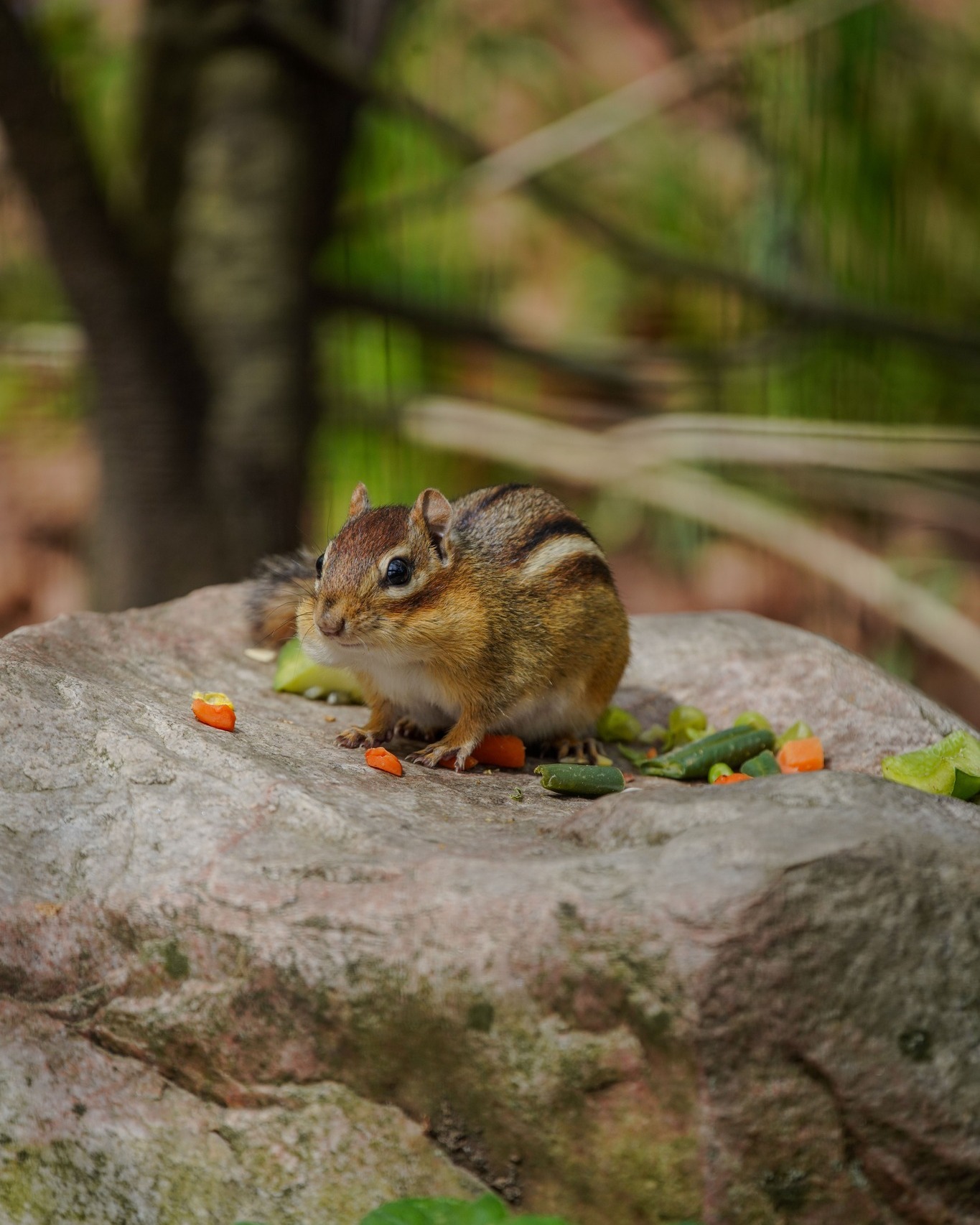
Unexpected encounters in wildlife often yield profound insights into animal behavior. Today, our ring-tailed lemurs at Binder Park Zoo experienced an amusing incident with a snack thief: a bold little chipmunk. The lively interaction between the chipmunk and the lemurs highlighted some important aspects of wildlife behavior and urban ecosystems.
Urban environments often serve as dynamic habitats for various wildlife species. Human activities have altered landscapes, creating opportunities for animals like chipmunks to thrive close to densely populated areas. Chipmunks, small rodents of the Sciuridae family, exhibit behaviors that allow them to adapt well in these settings. Daring and clever, they forage in gardens, parks, and zoos, seeking food sources that are often provided by humans. This adaptability offers important lessons in coexistence and the ecological roles that different animals play within their environments.
The chipmunk’s antics during its venture into the lemurs’ area showcased behaviors typical of its species. Chipmunks are known for their curious and exploratory nature. They rely heavily on their keen sense of smell to locate food and their agile bodies to access hard-to-reach places. Seeing a chipmunk boldly approach a group of ring-tailed lemurs initiated a series of amusing moments. Observers noted how the chipmunk would dart in and out, trying to snatch snacks with daring speed. It reflects their instinctual foraging behaviors; they often store food in their cheek pouches to consume later, a strategy that supports their survival in both wild and urban settings.
Lemurs, notably different from chipmunks, offer a contrasting perspective. As primates indigenous to Madagascar, they exhibit highly social behaviors. Their social structures can be complex, involving grooming and vocal communications. The interaction with the chipmunk prompted playful responses from the lemurs. They responded to this unexpected visitor with curiosity and an element of caution. While they are generally not aggressive, the presence of a potential competitor for food created a fascinating dynamic for onlookers. Such interactions can educate the public on how different species behave under varying circumstances, highlighting the importance of social structures and adaptability in wildlife.
Zoos play a critical role in wildlife conservation. Institutions like Binder Park Zoo are not merely places of entertainment; they are centers for education and outreach. They facilitate conservation efforts, breed endangered species, and conduct vital research. Engaging the public through informative displays and animal interactions is crucial for raising awareness regarding the threats many species face in the wild. Through these efforts, zoos aim to inspire individuals to take action towards wildlife preservation.
Human activity significantly impacts animal behavior. Chipmunks are often seen in urban settings because they have learned to navigate human-dominated landscapes for food. Animals that adapt well, like the chipmunk, can thrive in an increasingly urbanized world. This leads to an important question: how can human-wildlife interactions be managed responsibly? Increasing awareness about feeding wildlife—intentionally or unintentionally—can help mitigate negative effects on their natural behaviors. Education is critical to understanding that while engaging with wildlife can be delightful, respecting their space is equally important for ensuring their long-term survival.
The playful encounter at Binder Park Zoo served as a reminder of the interconnectedness between different species. Watching the lemurs interact with a chipmunk offered a unique opportunity for zoo visitors to observe these dynamics firsthand. Animal behaviors even create pathways for engaging learning experiences. Such moments encourage a deeper appreciation for wildlife and highlight the importance of safeguarding natural habitats. By connecting with animals like lemurs and chipmunks, individuals can better understand the ecosystems they inhabit.
Interactive learning experiences at zoos foster curiosity. They break down barriers between humans and animals, offering a firsthand look at behaviors that might otherwise go unnoticed. Using well-designed exhibits and programs that cater to diverse audiences can help individuals foster a sense of responsibility for preserving wildlife. Providing information about animals through signs and talks can significantly enhance the learning experience, encouraging visitors to reflect on their role in conservation.
The incident with the chipmunk at Binder Park Zoo illustrates the beauty of spontaneous wildlife interactions. It is essential for people to appreciate those moments as educational opportunities. They serve as invaluable teachable experiences, reinforcing the significance of coexistence. By examining the motivations behind animal behaviors, individuals can strengthen their commitment to wildlife conservation.
Management practices in zoos also influence how animals interact with their environments. Providing enrichment activities, such as varied diets or social interactions, stimulates natural behaviors. When animals are made to feel secure and engaged, they display more natural behaviors, which can lead to better education for observers. The insights gathered from those behaviors can inform strategies aimed at conserving species in their natural habitats.
Some animals, like chipmunks, can symbolize the broader challenges facing wildlife. Urbanized landscapes encroach on natural habitats, making resources rarer. As more humans encroach on these environments, various species are pushed into closer contact with urban settings. This poses challenges both for wildlife and for residents, as potential conflicts arise over food and space.
Mitigating these conflicts begins with education. It is essential for communities to understand local wildlife and adopt practices that minimize disruptions. For instance, individuals can avoid leaving food out that might attract wild animals. Instead, birds or other ethereal creatures are preferred in traditional feeders, allowing them to thrive without encouraging potentially harmful interactions.
As wildlife interactions become more frequent in urbanized areas, zoos like Binder Park must position themselves not only as recreation spaces but also as educational hubs. Our recent encounter with the chipmunk serves to remind visitors of the delightful yet delicate balance that exists when wildlife meets urban environments. Providing insight into the behaviors of lemurs and chipmunks underlines why it is imperative to maintain ethical wildlife management practices.
Zoo management, therefore, involves not only caring for animals but also actively engaging the public in vital conversations about conservation. With clear goals, zoos can bridge the gap between wildlife and humans. They can create a shared space for learning that enhances community understanding of biological diversity.
As we continue to witness wildlife adaptations in urban environments, initiatives promoting coexistence will become increasingly vital. Communities must collectively act to foster habitats where both humans and animals can thrive. Through educational interactions like the delightful episode with the chipmunk at Binder Park Zoo, we can inspire behavioral changes in individuals.
Understanding wildlife behavior fosters a deep appreciation for different species, emphasizing why everyone has a role in wildlife stewardship. By recognizing that interactions between species and human activity are inevitable, individuals can adopt responsible practices that promote harmonious coexistence. Out of curiosity and compassion, greater efforts can be aligned toward conservation, safeguarding ecosystems for future generations.
The chipmunk’s escapade at the zoo exemplifies both the challenges and rewards posed by wildlife interactions in urban settings. Through careful observations and engaged learning, we can collectively appreciate the vibrant life present in both man-made and natural environments. Promoting commands respect for wildlife, ultimately benefiting both animal populations and local communities. As we venture into the future, recognizing and promoting educational experiences is one step toward ensuring that wildlife retains its place alongside humanity.
*****
Source Description
Caught red-handed 👀🐿️
Our ring-tailed crew had an unexpected snack thief today—a bold little chipmunk joined the fun and tried to sneak a bite! Lemurs, chipmunks, and a whole lot of mischief made for some seriously cute moments at Binder Park Zoo.
