
- The functional role of urine in Malayan tapir behavior
- The anatomy and biology of the Malayan tapir
- The importance of territorial marking and communication
- Conservation status and habitat of the Malayan tapir
- Engaging with tapirs and supporting wildlife conservation
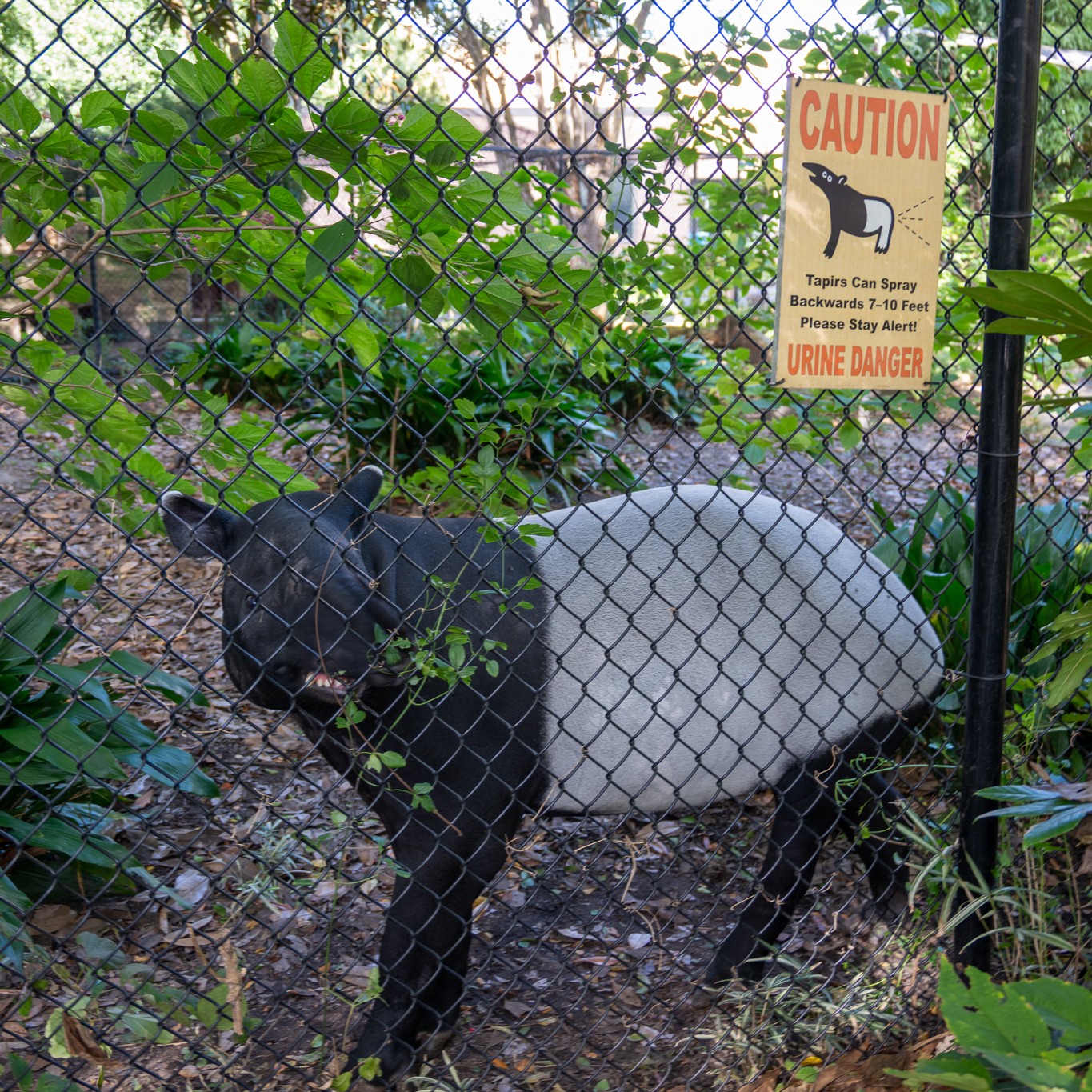
The Malayan tapir (Tapirus indicus) is the largest species of tapir and is known for its distinctive black and white coloration. Native to Southeast Asia, these animals play an essential role in their ecosystem, and their behavior, particularly the unique method of urine spraying, is a fascinating aspect of their lives. With the ability to spray urine backward, sometimes up to 7-10 feet, the Malayan tapir uses this method not only for territorial marking but also for communication and mating signals. Understanding the significance of this behavior can provide insight into the broader context of their survival strategies.
Urination in the Malayan tapir serves multiple functions. The act is not simply a biological necessity; it carries significant social and environmental implications. With their ability to spray urine effectively, these animals communicate warnings to others, establish personal territories, and facilitate mating encounters. By marking their territory, they deter rival males and inform females of their presence. This behavior aids in the navigation of their dense forest habitats, where visibility can be limited. Each spray serves as a signpost, delineating boundaries within the tapir’s environment.
The anatomy of the Malayan tapir contributes to its impressive urine-spraying ability. Tapirs possess a robust musculature that aids in controlling the direction and force of their urine. Their long, flexible snouts allow them to reach different aspects of their surroundings. The combination of strong hind legs and a specialized pelvic structure facilitates effective urine propulsion. This anatomical design showcases the evolutionary adaptations that have enabled tapirs to thrive in their habitats.
Territorial marking is a vital aspect of social behavior in many animal species, and the Malayan tapir is no exception. By spraying urine, the tapirs communicate their presence to potential competitors and signal to other tapirs when females are in estrus. Urine contains pheromones, chemical signals that convey information about the sender’s identity, reproductive status, and health. These scents help ensure mating success while simultaneously reducing aggression among males. Understanding this behavior offers essential insights into the social interactions of tapirs in their natural environments.
The conservation status of the Malayan tapir is of growing concern. Classified as vulnerable by the International Union for Conservation of Nature (IUCN), their populations have decreased due to habitat loss and fragmentation from agriculture and urban development. As primary consumers, tapirs are critical for maintaining the health of their ecosystems. They facilitate seed dispersal, thus promoting forest growth. Conservation efforts are urgent to protect the remaining habitats and ensure the survival of this remarkable species. Many organizations work tirelessly to safeguard tapir populations and their environments by advocating for protective legislation and habitat restoration efforts.
Visiting zoos can provide an excellent opportunity to learn about the Malayan tapir and the conservation challenges they face. Facilities such as the Virginia Zoo, open daily from 9:30 AM to 4 PM, offer educational programs that highlight these intriguing animals. Through engaging exhibits and information sessions, visitors can better appreciate the Malayan tapir’s role in their ecosystems and understand the importance of preserving their habitats. Zoos also play an essential role in breeding programs that contribute to the genetic diversity and population stability of endangered species.
In parallel with direct conservation action, public awareness campaigns are essential for advocating for the Malayan tapir. Education is a powerful tool, and by sharing information about the tapir’s unique behaviors and ecological roles, individuals can contribute to wildlife conservation efforts. Social media platforms, wildlife photography, and community outreach programs can engage a broader audience, emphasizing the need for environmental stewardship. By fostering public interest, we can create a collective sense of responsibility for preserving biodiversity.
Community engagement can also be a driving force behind successful conservation strategies. In many regions where tapirs reside, local communities rely on the land for their livelihoods. Combining wildlife conservation with local interests can reveal innovative solutions. Programs that promote sustainable agriculture and ecotourism can showcase the benefits of conserving tapir habitats. When communities see the advantages of protecting tapirs and their ecosystems, they are more likely to participate in conservation initiatives.
Effective wetlands management is crucial for the health of Malayan tapir populations as well. These creatures inhabit tropical and subtropical forests, often adjacent to rivers. Maintaining clean waterways and protecting natural floodplains not only benefits tapirs but also promotes broader ecological health. Implementing sustainable land management practices can reduce runoff pollution and ensure the quality of the tapir’s drinking water.
As we gather insights into the Malayan tapir, it becomes clear that our understanding of their behavior, including their unique urine-spraying ability, plays a critical role in bolstering conservation efforts. Such adaptations are a testament to the tapir’s evolutionary history and their ability to survive in a changing landscape. The need for urgent action to protect their shrinking habitats has never been more pressing.
Wildlife managers also play a vital role in studying tapir behavior in the wild. By employing radio collaring and remote monitoring techniques, researchers can gather data regarding tapir movements, interactions, and habitat preferences. This information is vital for devising effective management plans that prioritize tapir conservation while balancing human development needs. Engaging local communities in data collection fosters a sense of ownership and connection to the wildlife, nurturing future conservation advocates.
Collaboration among various stakeholders is essential for advancing Malayan tapir conservation. Partnerships among zoologists, ecologists, conservation organizations, and local communities can yield comprehensive strategies that promote sustainable living alongside wildlife preservation. Educational workshops, outreach programs, and research initiatives can cultivate a network of support focused on ending poaching, habitat destruction, and mitigating climate change impacts on tapir populations.
Innovative technological advancements also present new opportunities for monitoring and protecting the Malayan tapir. Camera traps provide a non-invasive method to gather data on tapir populations and their behaviors, allowing for unobtrusive observation. Utilizing drones for habitat assessments can expedite research efforts and provide valuable information about land use changes that may threaten tapir habitats.
Another promising avenue for conservation is the development of wildlife corridors. These corridors serve as safe passages for tapirs, enabling them to traverse fragmented landscapes while facilitating genetic exchange among populations. By connecting isolated populations through habitat restoration and land use planning, we can bolster the long-term survival of Malayan tapirs.
Public fascination with exotic wildlife can also be harnessed to drive conservation efforts. People are often drawn to animals with intriguing physiology and behavior. The Malayan tapir’s capacity to spray urine backward and its unique anatomy make it particularly captivating. Leveraging this interest, educators and conservationists can create engaging content to share on social media and other platforms, inspiring individuals to participate in conservation initiatives.
As awareness of the Malayan tapir’s struggles continues to grow, so does the opportunity for fruitful action. By educating ourselves and others about their ecological significance and the threats they face, we can champion conservation efforts. Every visit to educational institutions, such as zoos, and every engagement on social media can contribute to a powerful movement advocating for wildlife preservation.
The Malayan tapir’s distinct urine-spraying behavior serves more than just a biological function. It symbolizes the ingenuity of nature and the importance of understanding animal behaviors to ensure conservation success. By continuing to share knowledge about these incredible creatures, we can empower future generations to engage in wildlife stewardship and advocate for the preservation of biodiversity on our planet.
*****
Source Description
Urine danger! 💦
Malayan tapirs can spray their urine backwards about 7-10 feet? They use this spray to mark their territory, communicate with other tapirs, and as a mating signal. As a solitary animal, this helps them navigate dense forests!
Today on we celebrate these interesting animals! Learn more about the largest tapir species (from 7-10 feet away) during your next Zoo trip! The Virginia Zoo is open every day from 9:30am – 4pm.
