
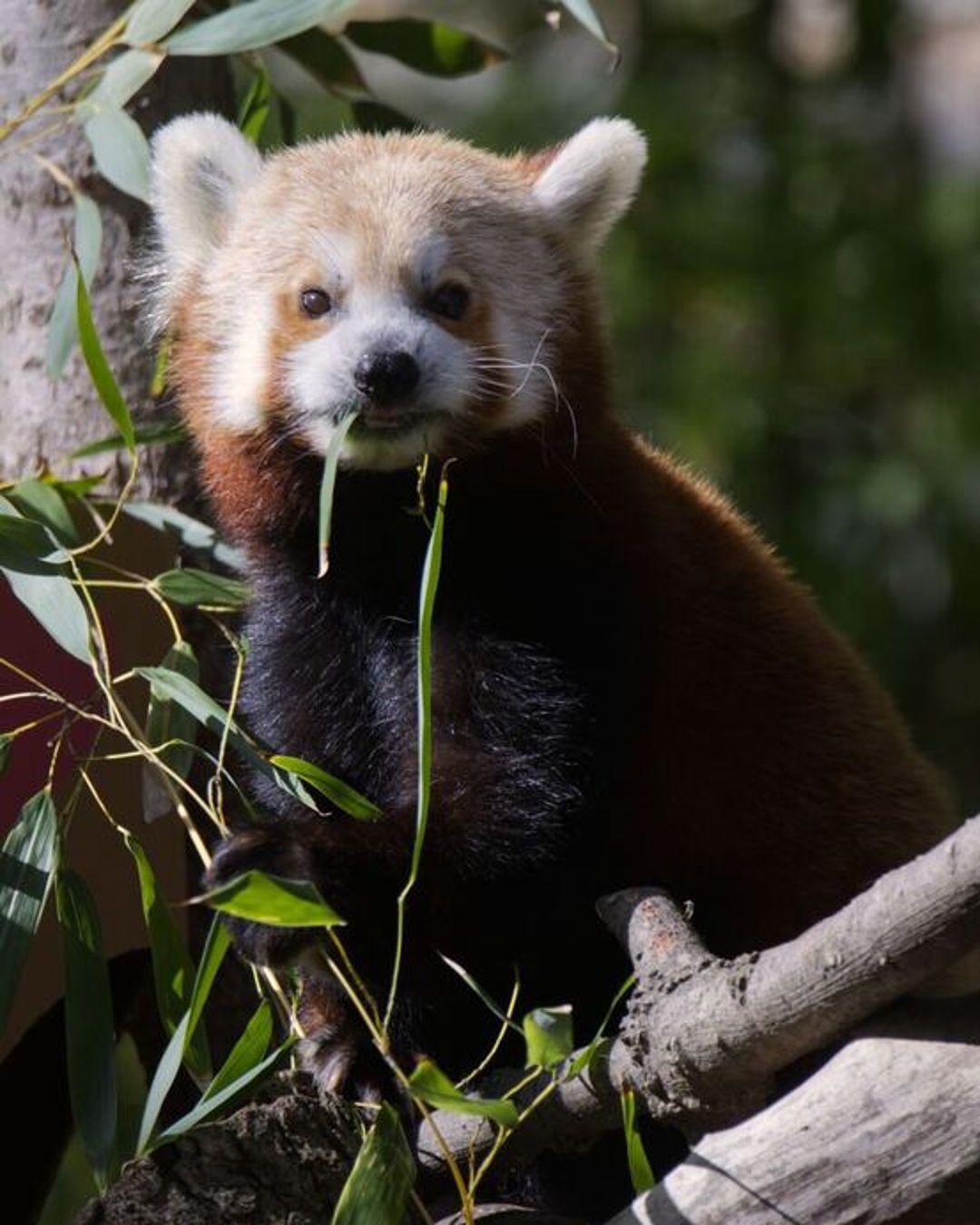
- Red pandas possess a slow metabolism, influencing their eating habits and lifestyle.
- Their diet consists primarily of bamboo but includes various other food sources.
- Understanding the red panda’s habitat and behavior is crucial to their conservation.
- The relationship between red pandas and their ecosystem plays a vital role in biodiversity.
- Human threats to red pandas highlight the need for wildlife preservation efforts.
Red pandas, scientifically known as Ailurus fulgens, present a fascinating study in the animal kingdom. One of the most intriguing aspects of these animals is their slow metabolism, a trait they share with tree sloths. This adaptation allows red pandas to efficiently utilize the limited energy they derive from their bamboo-heavy diet. Unlike animals with high metabolisms that require constant feeding, red pandas can lead a sedentary lifestyle. However, when it comes to dining, they can move quickly and nimbly, often seen climbing trees and leaping from branch to branch in search of the best bamboo shoots.
A red panda’s diet is predominantly made up of bamboo, which constitutes about 95% of their food intake. Nevertheless, they are quite opportunistic and will consume a variety of foods when available. They feed on bamboo sprouts, along with grasses, roots, fruits, acorns, and occasionally insects or eggs. Their dietary preferences highlight how their original habitat offers numerous food sources, enabling them to adapt to various environments.
This adaptation to a specialized diet is critical, as it ties the red panda’s survival directly to the health of their habitat. Forested areas, rich in bamboo and diverse plant life, provide not only food but also shelter and breeding grounds. However, the animals are more than just solitary tree-climbers; they play an integral role in their environment. As red pandas move through the forest, they assist in seed dispersal, promoting plant propagation and contributing to forest regeneration.
The impact of red pandas on biodiversity in their habitat cannot be overstated. They thrive in temperate forest regions in the eastern Himalayas and southwestern China, predominantly at altitudes of 6,600 to 13,000 feet. These habitats offer a unique microclimate that supports various flora and fauna. The intricate relationship between red pandas and these ecosystems underlines the importance of preserving their natural habitats. If their environments deteriorate, so do the crucial roles they serve in promoting ecological balance.
Unfortunately, red pandas face numerous threats to their survival, primarily from habitat loss and poaching. Ongoing deforestation for agriculture, logging, and infrastructure development subtracts from their living space, fragmenting populations and isolating them from one another. Such interruptions make it challenging for red pandas to find mates, significantly impacting their reproductive success. As their populations shrink, genetic diversity diminishes, leading to vulnerabilities that can jeopardize their survival.
Government policies and conservation organizations work tirelessly to mitigate the pressures on red pandas. Protected areas and national parks have been established in regions where red pandas reside. These initiatives are critical for safeguarding their habitats and ensuring they are preserved for future generations. Additionally, educational programs aim to raise awareness about the importance of red pandas in maintaining biodiversity and their broader ecological roles.
Public engagement with wildlife conservation has proven essential. As more people become passionate about red pandas through zoo exhibits and wildlife documentaries, there’s a growing emphasis on individual actions contributing to global efforts. Efforts such as protecting deforested areas, supporting sustainable forestry practices, and engaging in eco-friendly consumer behaviors all tie back to the well-being of species like the red panda.
Public awareness campaigns have also played a pivotal role in conservation success stories. Social media platforms and wildlife photography capture the charm of red pandas, inspiring people to advocate for the preservation of their habitats. Each story shared can inspire action, whether through fundraising or volunteering for conservation initiatives.
Raising awareness about red pandas isn’t just about their adorable appearance; it’s about understanding their complex relationship with the environment. As red pandas snacking red "panda-ed," they unintentionally become symbols of ecological health. Their survival can serve as an indicator of the overall health of their forest ecosystems. When red pandas thrive, it often suggests that many other species in their habitats are also faring well.
Fortunately, research continues to enhance our understanding of red pandas and their requirements for survival. Various zoos and wildlife organizations implement breeding programs aimed at maintaining genetic diversity. These programs help cultivate a sustainable population of red pandas, both in captivity and potentially for future reintroduction efforts back into the wild.
Moreover, advances in technology have allowed researchers to monitor red panda movements in their natural habitats, providing invaluable data about their behaviors, dietary choices, and geographic ranges. The data gleaned from these studies helps conservationists make informed decisions. Proper management strategies can then be laid out to protect their habitats and mitigate threats posed by climate change and human encroachment.
In the animal kingdom, few creatures are as captivating as the red panda. Their slow metabolic rate and specialized diet, combined with their significant ecological role, make them a vital piece of the environmental puzzle. Educating the public about the challenges they face is crucial for fostering a sense of stewardship.
Conservation efforts for red pandas serve as a model for biodiversity preservation. They highlight how an understanding of animal behaviors and environmental dynamics informs effective wildlife management strategies. By focusing on protecting red pandas, we simultaneously advocate for a broader spectrum of wildlife and ecosystems.
As red pandas continue to be caught snacking red "panda-ed" in their natural habitats, one must reflect on their role in our world. These remarkable creatures represent a vital link between human activity, ecological health, and conservation efforts. By paving the way for a greater understanding of their needs and threats, we can better equip ourselves to protect these creatures and, by extension, the delicate balance of life that sustains us all.
Public support for red panda conservation is crucial, as the collective voices advocating for biodiversity preservation lead to stronger legislation, funding, and awareness. Each small step an individual takes can culminate in significant global change. By fostering an appreciation for not only red pandas but all of nature, we build a brighter future for wildlife and humanity alike.
Remember, the next time you see a photo of a red panda caught snacking red "panda-ed," think about the intricate web of life they are a part of and what we can do to preserve it for generations to come. It is our responsibility to be the guardians of the environment, ensuring that future generations will also have the opportunity to marvel at these exceptional creatures.
*****
Source Description
Caught snacking red “panda-ed”! 🌿 🎍
Did you know that red pandas have a slow metabolism, much like tree sloths! They typically live a sedentary lifestyle but can move quickly while eating. In the wild, red pandas eat bamboo sprouts, grasses, roots, fruits, acorns, and even the occasional insect or egg.
