
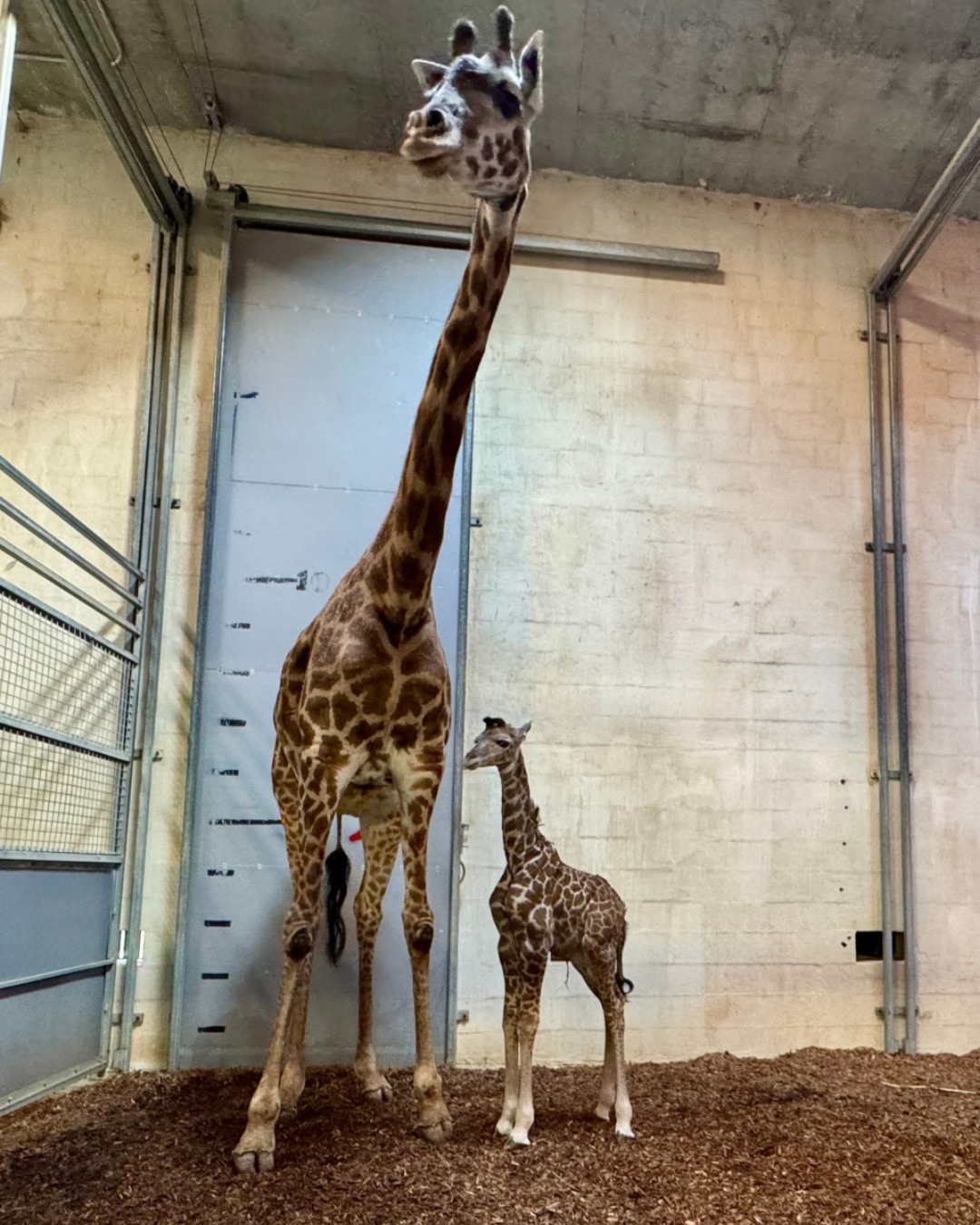
- The significance of giraffe calf births for zoos and conservation efforts.
- Details of the giraffe calf’s first veterinary check-up.
- Understanding the growth and development milestones of giraffe calves.
- The role of zoos in wildlife conservation and education.
- Future expectations for the giraffe calf’s public debut and social behavior.
The birth of a giraffe calf is a noteworthy event for both zoos and conservation efforts. Each birth represents not only the continuation of a species but also the potential for engagement with the public around critical conservation issues. Giraffes face threats in the wild, including habitat loss and poaching, making every successful birth in a controlled environment a vital component of species preservation. The new journey of the giraffe calf at the Greenville Zoo aligns with broader conservation goals, showcasing how institutions fulfill their roles in species management and educational outreach.
Recently, the new giraffe calf at the Greenville Zoo had its first veterinary check-up. The check-up is an essential part of monitoring the health and welfare of growing animals, particularly in species like giraffes that are susceptible to various health challenges. Standing 6 feet 1 inch tall and weighing 132 pounds at just a few days old, this calf demonstrates the impressive growth rates typical of giraffe young. The first veterinary visit traditionally includes a thorough physical examination to assess vital signs, body condition, and overall health.
During this check-up, veterinarians typically monitor the animal’s heart rate, respiratory rate, and temperature. Additionally, the vet may perform a blood test to ensure that the calf is healthy and to assess its immune system, particularly since young animals are highly vulnerable to infections. Observations during the check-up also focus on the calf’s behavior, feeding habits, and interactions with its mother. These aspects are critical, as maternal care is essential for a calf’s survival and development in the early weeks of life.
Understanding the growth milestones of giraffe calves is vital for both zookeepers and visitors alike. With an average gestation period of approximately 15 months, giraffe calves are typically born weighing between 100 to 150 pounds. They are capable of standing and walking within a few hours of birth, which is crucial for evading predators in the wild. The calf’s legs are long and sturdy, helping it to keep pace with its mother and join the herd.
Over the first few weeks, the calf will undergo rapid physical changes, gaining weight and height almost daily. Daily monitoring at the zoo will involve tracking the calf’s weight gain and feeding behavior, as these are indicators of good health. The calf will primarily rely on its mother’s milk but will gradually start to nibble on solid food as it grows. This transition is an important aspect of their diet, which later includes leaves, fruits, and vegetables from various trees and shrubs.
Zoos play a significant role in wildlife conservation beyond simply housing animals. They serve as advocates for environmental stewardship through education and community outreach initiatives. This giraffe calf’s birth can contribute to raising awareness about giraffe conservation, especially since their populations have declined in recent years. By offering educational programs, zoos aim to inform the public about the challenges giraffes face in the wild and the importance of ongoing conservation efforts.
The community engagement aspect of zoos is essential. Visitors to the Greenville Zoo will have the opportunity to learn about giraffe behaviors, diets, and the ecological roles these animals fulfill. This knowledge can spark interest in conservation efforts and inspire individuals to take part, be it through direct involvement or by supporting environmental organizations. By showcasing the new giraffe calf, the Greenville Zoo not only celebrates the birth of a new animal but also emphasizes the importance of protecting giraffes and their habitats.
As we look forward to the giraffe calf stepping outside and meeting the public, many factors will determine when this will happen. Calves typically stay close to their mothers during the early stages of life. This bond is crucial for the calf’s social and physical development. Over time, as the calf grows more confident and adept at navigating its environment, zookeepers will begin to introduce it to outdoor spaces. This public debut also allows visitors to form a connection with wildlife, fostering a greater appreciation for living beings beyond their immediate surroundings.
The social behavior of giraffes is an exciting topic to explore. These animals are social creatures that generally form loose herds, allowing them to engage in various behaviors that promote social bonding. Interactions between the calf and its mother showcase these behaviors. As the calf matures, it will start to build relationships with other giraffes and can exhibit playful antics typical of young animals. Observing these behaviors offers insight into not only the species’ social structure but also the significance of nurturing within animal families.
Giraffes also exhibit behaviors that reflect their natural instincts. They often engage in activities such as browsing on tall trees and observing their surroundings for potential threats. Understanding these natural behaviors is crucial for zookeepers, as it aids in creating an environment that mimics the wild. Enrichment activities are often utilized in zoo settings to encourage mental stimulation and natural behaviors. These may include providing climbing structures, varied diet options, and interactive tasks that mimic foraging.
The recent veterinary check-up and ongoing monitoring of the young giraffe calf are essential components of zoo management. These processes ensure that the animals within zoo environments thrive. The care provided includes vaccination protocols, dietary management, and socialization opportunities that prepare animals for introductions to more public-facing enclosures. Providing a high standard of care not only benefits the individual animal but also reflects positively on the institution and its commitment to ethical wildlife management.
Setting a strong foundation for wildlife conservation through responsible breeding is another crucial aspect of zoo management. Breeding programs often contribute to genetic diversity and species survival. The giraffe calf at Greenville Zoo may play a role in future breeding initiatives, thus assisting in sustaining population numbers. These programs are supported by international organizations, making genetic data available to help maintain diverse gene pools and ensure a healthy population.
In summary, the birth of a new giraffe calf is more than just an exciting event; it is a significant milestone for the Greenville Zoo and wildlife conservation efforts. Every detail from the veterinary care during the first check-up to the calf’s eventual introduction to the public educates visitors while underlining the importance of preserving wildlife. This event will likely inspire individuals to consider the role they can play in conservation and foster a sense of connection to a species that is only found in specific habitats across Africa.
As future developments unfold regarding the giraffe calf’s growth, behavior, and interactions with visitors, the Greenville Zoo stands as a testament to an eco-centric approach to relationships between humans, wildlife, and the ecosystems they inhabit. Through effective management practices combined with genuine public engagement, zoos can make a noteworthy difference in the fight for conservation and the education of future stewards of the environment.
*****
Source Description
🩵🎉 IT’S A BOY! The @greenvillezoo’s new giraffe calf had his first check-up with the vet. 🦒 The young fellow is 6 foot 1 and weighs 132 pounds. He’s still in the barn with Mom today, but we’ll let you know when he’s ready to step outside and say hello.👋🏽
