
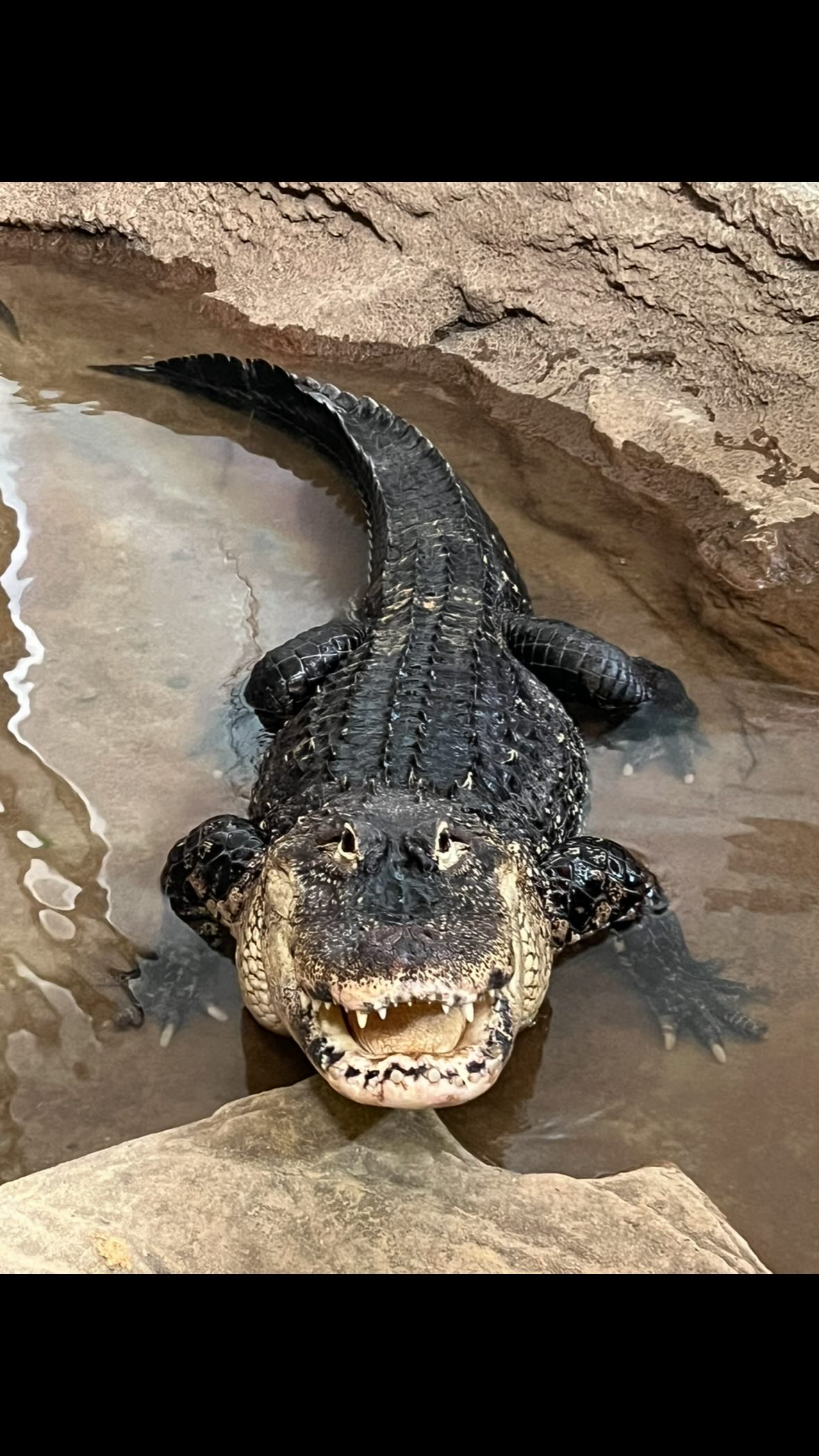
- Exploration of the American alligator’s role in wetland ecosystems and their diet in the wild.
- Insights into the feeding habits and care of alligators in human-managed environments, like zoos.
- The significance and challenges of habitat conservation for American alligators.
- The impact of National Alligator Day in raising awareness about alligators and their ecosystems.
- Detailed look at the feeding process at the Staten Island Zoo, focusing on Thunder and Lightning, two resident alligators.
American Alligators in Wetland Ecosystems
American alligators play a crucial role in their native wetland ecosystems, which stretch across the southeastern United States. As apex predators, they help maintain the balance within their environment. By preying on fish, birds, turtles, and small mammals, alligators control the population of these creatures, ensuring that no single species overwhelms the ecosystem. This natural form of population control supports biodiversity and the health of the habitat.
Alligators also contribute to their environment by creating "alligator holes," which provide essential water sources during dry periods. These holes become refuges for a wide range of species, fostering biodiversity even during droughts. Their presence is vital to the structural integrity of wetland ecosystems, making them indicators of ecological health.
Feeding Habits and Care in Human Environments
In controlled environments such as zoos, alligators’ dietary needs are meticulously managed to emulate their natural feeding habits. At the Staten Island Zoo, Thunder and Lightning receive a diet carefully crafted to keep them healthy and vigorous. While wild alligators opportunistically feed on whatever prey is available, those in captivity require a balanced diet that often includes fish, poultry, and specially formulated vitamins to mimic their natural intake.
Zoo staff, like Reptile Matt, dedicate their expertise to understanding alligator behaviors and nutritional needs to provide optimal care. Regular feeding schedules and health checkups are integral parts of captive care. By observing these routines, zoos not only maintain the wellness of the animals but also educate the public on the importance of species-specific care and the ecological roles these reptiles play.
Habitat Conservation Challenges
The conservation of alligator habitats is a critical concern as human activities increasingly encroach on natural areas. Wetlands face threats from urban development, pollution, and climate change—all of which can lead to habitat degradation. Protecting these environments is essential for the survival of not only alligators but countless other species that depend on wetland ecosystems.
National policies, such as the Endangered Species Act, have helped stabilize alligator populations, which faced severe decline in the past. Current conservation efforts involve habitat restoration, pollution management, and public education. By raising awareness on days like National Alligator Day, society can focus on the ongoing necessity of conserving these vital habitats.
National Alligator Day and Public Awareness
National Alligator Day serves as an opportunity to celebrate and highlight the importance of these magnificent creatures. The day prompts educational programs and events that engage the public, fostering a deeper understanding of alligators and the ecosystems they inhabit.
Highlighting individual alligators, like Thunder and Lightning, makes the narrative personal and relatable. These animals become ambassadors for their species, helping to illustrate the broader themes of conservation and ecological importance. The goal is to spark curiosity and concern, inspiring action towards habitat protection and species preservation.
Feeding Process at the Staten Island Zoo
At the Staten Island Zoo, the feeding process of Thunder and Lightning is an orchestrated routine designed not just to sustain but also to enrich. These feeding sessions are conducted with utmost care, ensuring safety for both the animals and handlers. Visitors to the zoo can learn about the dynamics of alligator feeding, watching the careful interaction between reptile caregivers and their charges.
During these feedings, handlers like Reptile Matt demonstrate patience and precision, offering insights into the behaviors and adaptations of these reptiles. Such demonstrations not only showcase the daily lives of alligators in human care but also highlight the dedication of those who manage the zoo’s wildlife inhabitants.
In summary, understanding the role and care of American alligators is vital in appreciating their contribution to biodiversity. As we honor National Alligator Day, we bring attention to their ecological significance, the nuance of their care, and the ongoing efforts required to protect their habitats. By maintaining these efforts, we contribute to a future where alligators continue to thrive both in the wild and in educational environments worldwide.
*****
Source Description
⚠️Warning: Alligator feeding in progress ⚠️
In honor of National Alligator Day, we’re highlighting Thunder and Lightning, our American alligators at the Staten Island Zoo. With nearly 20 years of care from Reptile Matt, they’ve made feeding time look easy.
American alligators are carnivores and eat a variety of prey including fish, birds, turtles, and small mammals. In human care, their diet is carefully managed to keep them healthy and strong.
Today is a reminder of the critical role these top predators play in their native wetland ecosystems—and why conservation of their habitats remains so important 🐊⚡️🌩️🐊
