
- The biological and ecological significance of alligators and their adaptation to climate.
- Importance of alligators to wetland ecosystems.
- The journey of the American alligator from near extinction to conservation success.
- Laws and guidelines for human interaction with alligators.
- Steps to support alligator conservation and wetland protection.
American alligators have been captivating residents and visitors of southeastern America for generations. Today, as we celebrate National Alligator Day, it’s an opportunity to explore the biological and ecological dimensions of these remarkable creatures. With the arrival of warmer temperatures, alligators are more visible as they bask in the sun, a vital behavior for their survival. Being ectothermic, or cold-blooded, alligators depend on external heat sources to regulate their body temperature. This trait has been honed over millions of years, allowing them to thrive in the rivers and wetlands of the southeast coast, particularly in North Carolina.
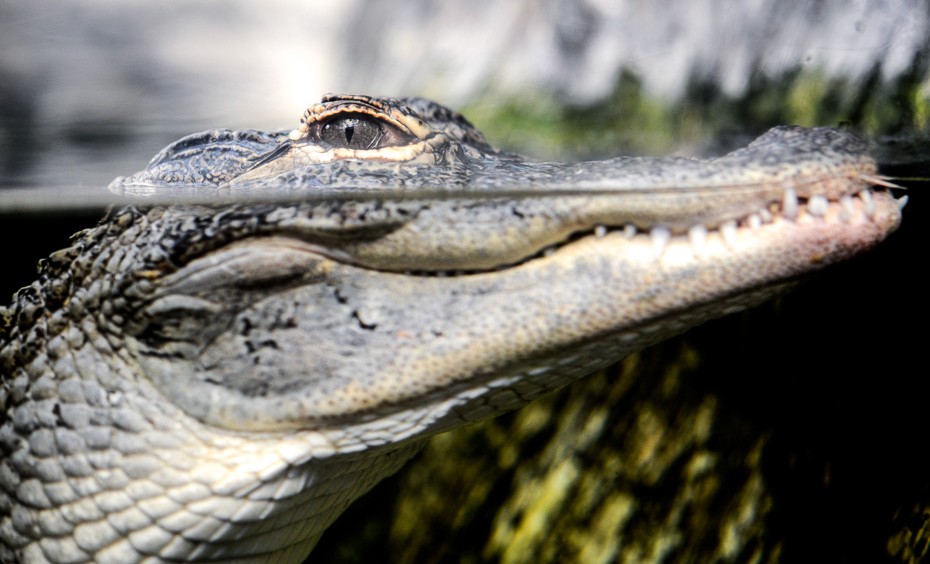
Alligator physiology is perfectly attuned to the southeastern climate. They use their powerful tails for swimming and as a defensive tool. Their skin, tough and scaled, serves as armor and helps with camouflage in murky waters. Alligators exhibit acute sensory abilities, with eyes and nostrils positioned on top of their heads, allowing them to breathe and see while submerged, minimizing exposure to potential threats.
Ecologically, alligators are keystones in their habitats. They shape wetland ecosystems, influencing both the environment and the diversity of species within it. By digging gator holes, they create vital water reserves during dry spells. These holes become sanctuaries for various species, including fish, birds, and mammals, fostering biodiversity. This nesting behavior and the construction of these habitats highlight the integral role alligators play in maintaining ecological balance.
Historically, the American alligator faced severe threats from habitat destruction and unregulated hunting that nearly drove them to extinction. By the mid-20th century, their numbers had plummeted, leading to their classification as endangered in 1967. However, significant conservation efforts, including legal protection and habitat restoration, facilitated their recovery. By 1987, they were removed from the endangered species list, marking a significant triumph in wildlife conservation.
For humans residing near alligator habitats, understanding and following legal guidelines is crucial. In North Carolina, laws prohibit feeding, harassing, or harming alligators. Such actions can provoke defensive behavior, potentially endangering both humans and alligators. The best practice is to maintain a safe distance, permitting these reptiles to exist undisturbed. Observing them in their natural environment allows for a shared space that respects the needs of wildlife.
Contributing to alligator conservation goes beyond direct interaction. Simple, everyday decisions can make a substantial impact. Reducing plastic usage helps prevent pollution in waterways, ensuring aquatic environments remain healthy for alligator populations and other wildlife. Picking up trash, especially in and around rivers and wetlands, reduces the risk of contamination and injury to animals.
Additionally, choosing eco-friendly products, particularly in cleaning and gardening, can minimize water pollution. These products prevent harmful chemicals from entering waterways, fostering improved habitat health. Pursuing knowledge about wetland habitats and the species within them enriches understanding and can inspire community involvement in conservation efforts.
On this National Alligator Day, acknowledging the remarkable survival story of the American alligator is vital. From near extinction to becoming a conservation success story, these reptiles exemplify resilience and adaptability. By valuing their ecological contributions and advocating for their protection, we support a legacy that benefits both nature and humanity. Engaging with this narrative reinforces our role as custodians of the environment, fostering a future where alligators and humans coexist in harmony.
*****
Source Description
🐊 It’s National Alligator Day!
☀️Warmer temperatures mean you may see alligators out and about more. Alligators are ectothermic, meaning they can’t regulate their body temperature, so they bask in the sun to absorb heat. American alligators reside in rivers and wetlands of the southeast coast of NC. They’ve been around for millions of years, are vital to wetland ecosystems, and they create habitats for other wildlife. The American alligator almost went extinct from habitat loss and hunting but in 1987 were removed from the endangered species thanks to conservation actions. Feeding, harassing, or harming alligators is illegal in NC. Give them space and let them sunbathe in peace!
Help alligators by:
🚮 Pick up trash, especially trash that could end up in waterways.
♻️ Use reusable items instead of single-use plastic to reduce what ends up in landfils.
🌎 Purchase environmentally sustainable products, especially for cleaning and landscaping to reduce water pollution.
🐊 Learn more about the animals and wetland habitats you want to protect.
