
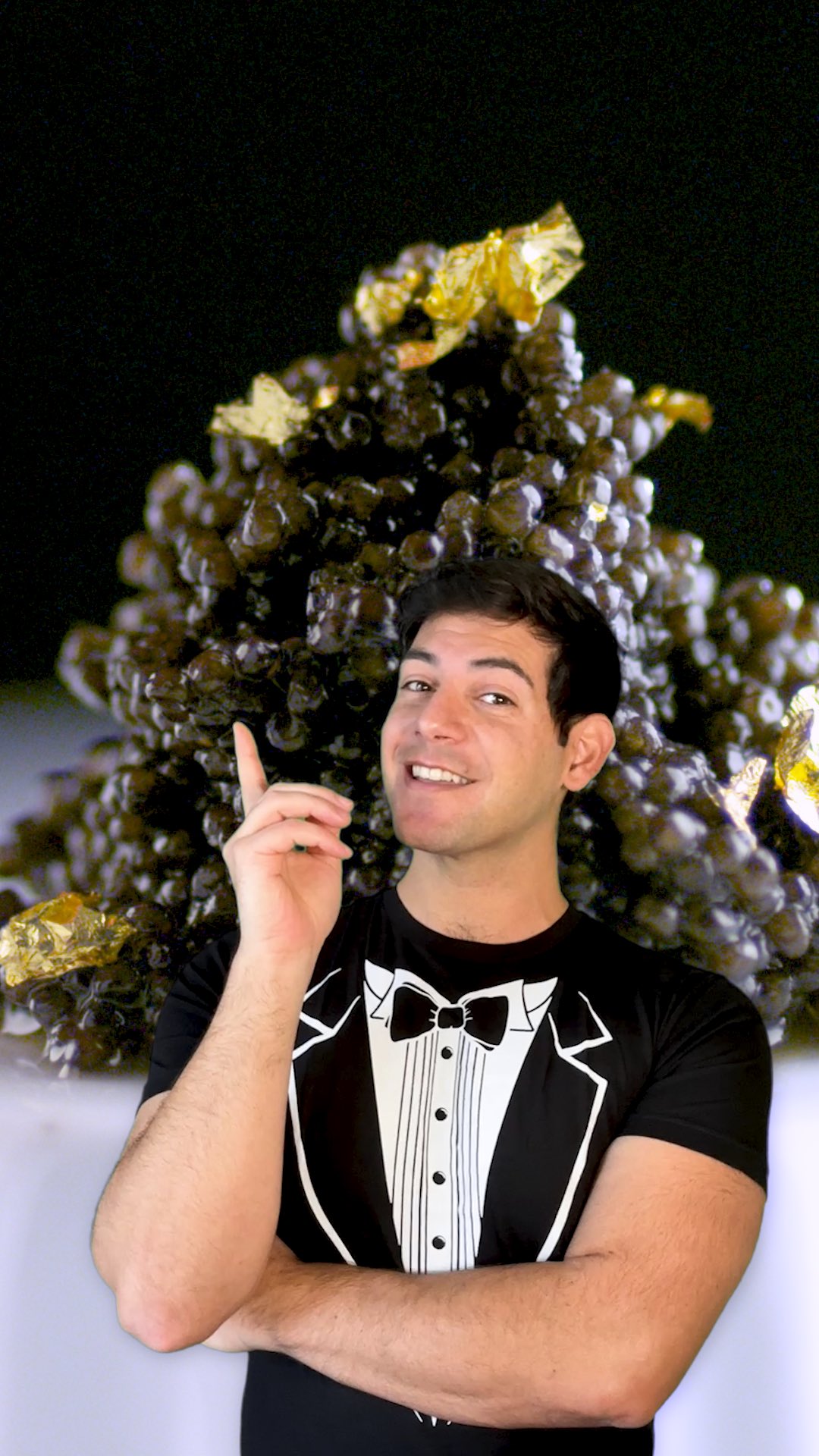
- Caviar: A Luxury Food with Historical Significance
- The Environmental Impact of Traditional Caviar Sourcing
- U.S. Farmed Sturgeon: A Sustainable Alternative
- Engagement in Sustainable Practices: Case Studies
- Embracing Eco-friendly Luxury in Celebrations
Caviar has long been a symbol of elegance, often featured in high-end dining experiences. Its history stretches back centuries, evolving from a regional delicacy to a global luxury. The Caspian Sea, home to the Beluga, Ossetra, and Sevruga sturgeon, produced these prized eggs for years. The rise of the caviar industry, however, has heightened concerns over sturgeon population decline. Traditional methods of harvesting caviar involve the killing of female sturgeons to extract eggs, leading to significant population reduction. Overfishing and habitat destruction have pushed many sturgeon species to the brink of extinction, prompting urgent calls for sustainable sourcing.
As consumers become more environmentally conscious, the need for sustainable caviar sources has emerged. U.S. farmed sturgeon presents a viable solution. These fish are raised in controlled environments, employing responsible farming practices that do not compromise their populations. By using land-based systems, producers can minimize the ecological impact, preserving the natural habitat of wild sturgeon. The farms adhere to standards set by organizations like Seafood Watch, which rates their practices as sustainable, thus easing concerns over environmental degradation.
Sustainable caviar production is facilitated through innovative farming techniques. Waste-not farms, such as @therealtsarnicoulai, are pioneering models of eco-elegance. These farms utilize a closed-loop system where waste from sturgeons contributes to the growth of aquatic plants, which in turn create a healthier environment for the fish. Such practices eliminate the use of harsh chemicals, reducing pollution and maximizing resource efficiency. These operations demonstrate a commitment to both quality and sustainability without compromising the luxurious experience associated with caviar.
For enthusiasts of fine dining, the choice of U.S. farmed sturgeon should not diminish the celebratory nature of enjoying caviar. As it pairs seamlessly with fine champagne and gourmet cuisine, sustainable options maintain the rich flavors and texture that make caviar a delicacy. Selecting sustainably sourced caviar not only enhances the dining experience but also aligns with environmental stewardship.
Caviar lovers can engage further by choosing products that showcase commitment to conservation. Companies that prioritize sustainability and environmental responsibility can foster appreciation among consumers. Choosing to source caviar from U.S. farms embodies a celebration of both luxury and ecological mindfulness. It represents a shift in consumer behavior, where enjoyment of fine foods coexists with care for the planet, leading to meaningful change.
The caviar industry is at a crossroads. The responsibility lies with consumers, chefs, and businesses alike to seek sustainable products. U.S. farmed sturgeon offers a way to savor luxury without sacrificing environmental integrity. By supporting eco-friendly practices, consumers play a significant role in protecting imperiled sturgeon populations.
Engaging with sustainable caviar also means being informed about the choices available. One can appreciate not only the flavor but the journey from farm to table. The act of making responsible selections enriches the dining experience, promoting a deep respect for the culinary arts. Caviar represents more than just a food item; it symbolizes a commitment to sustainability.
As the demand for sustainable luxury grows, it is crucial that producers continue to innovate and refine their practices. This commitment can lead to advancements in technology and farming methods, offering a more sustainable future. Initiatives aimed at restoring wild sturgeon populations must also be supported in conjunction with sustainable farming. Collaborative efforts within the industry help create a balanced approach to preserving these species while satisfying consumer desires.
Moreover, chefs and restaurateurs should prioritize sourcing ingredients, fostering a culture that embraces sustainability. Highlighting caviar from responsible farms on menus not only informs customers but elevates the dining experience. Knowing that their meal supports sustainable practices enhances enjoyment and appreciation.
Celebrations can now be marked by ethical choices. Those planning high-end events can showcase their commitment to sustainability by including U.S. farmed sturgeon in their culinary offerings. Guests can delight in the fact that their luxurious meals have a positive impact on the environment. This integration of sustainability into celebrations reflects a modern outlook that values both enjoyment and responsibility.
Those seeking caviar for upscale festivities can embrace quality while promoting positive change. The experience of savoring caviar can be matched with the satisfaction of supporting sustainable practices. This dual appreciation fosters stronger connections to both the food and the planet.
U.S. farmed sturgeon caviar can be a central feature in sophisticated gatherings, perfectly pairing with champagne and gourmet appetizers. Whether served at intimate dinners or grand celebrations, its appeal remains undeniable. The culinary world is adapting, and sourcing responsibly not only responds to consumer preferences but contributes positively to the ecosystem.
By shifting our focus to sustainable options, we inspire others to join the movement. Engaging in conversations about the importance of responsible sourcing educates the community about the choices that matter. Advancing sustainable agriculture practices is crucial for future generations, ensuring that they too can enjoy luxury delicacies.
The transition toward eco-conscious luxury is underway, and U.S. farmed sturgeon caviar leads the way. Celebrating milestones with this sustainable option allows individuals to indulge guilt-free. It emphasizes a lifestyle that values quality, enjoyment, and ecological consciousness.
As the demand for luxury caviar rises, so does the responsibility to ensure that these indulgences are environmentally sound. The impact of consumer choices can resonate throughout the farming and culinary industries. Supporting U.S. farmed sturgeon caviar is a step toward creating a sustainable future.
In essence, caviar embodies luxury and sophistication—but it should also be synonymous with responsibility. Supporting sustainable caviar reinforces the idea that luxury can harmonize with environmental stewardship. By making informed choices, we elevate the standard for high-end dining experiences that honor both tradition and the planet.
Every purchase of U.S. farmed sturgeon caviar contributes to a broader vision of environmental responsibility. The luxurious rituals of celebrations can now thrive alongside mindful practices, offering not just a taste of opulence but a commitment to preserving our world. The journey from farm to table has the potential to reflect our values—where every bite is a step toward a better ecosystem.
Let us embrace a sustainable future, acknowledging that true luxury extends beyond the plate and reaches into the ethos of how food is produced. Caviar can remain a staple of festivities while also serving as a symbol of our collective responsibility to nurture and protect the planet. Each celebration can become not just a moment of indulgence but a testament to a harmonious relationship between luxury and sustainability.
*****
Source Description
Caviar is a staple of luxury festivities. But what if your celebration could also support the planet?
Introducing U.S. farmed sturgeon—a sustainable choice that pairs perfectly with your finest bubbles.
🐟 Responsibly raised in land-based systems
🌊 Rated green by Seafood Watch
♻️Waste-not farms like @therealtsarnicoulai are redefining eco-elegance
Because true luxury isn’t just about what’s on your plate—it’s about how it got there. Cheers to sustainability!
