
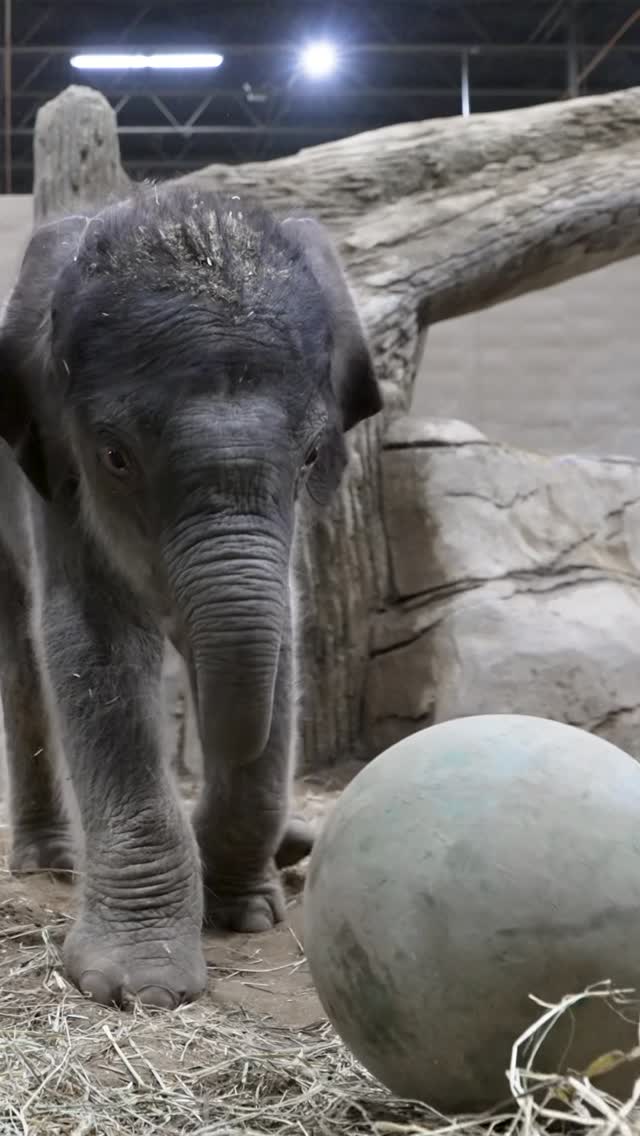
- Introduction to Phoebe’s baby boy and his debut
- Insights on Asian elephants and their conservation status
- Importance of acclimatization for elephant calves
- The role of zoos in education and conservation
- How visitors can support elephant conservation efforts
The excitement surrounding the arrival of Phoebe’s baby boy is palpable as he prepares for his public debut on Friday, October 31, 2025. This healthy male calf represents a significant addition to the zoo’s Asian Elephant Conservation Center, and both the Animal Care team and the public are eager to meet him. Elephants are not merely fascinating creatures; they play an essential role in their ecosystems and exhibit complex social structures.
Phoebe, the mother, has played a crucial role in the calf’s early life, helping him bond and explore his environment. The gradual introduction to the rest of the herd is carefully managed to promote socialization and learning. Calves learn essential survival skills by interacting with their family and peers. Observing this process offers insight into the importance of social structures in herd dynamics.
Asian elephants face various challenges, including habitat loss and poaching. The introduction of a new calf raises awareness of these ongoing threats. Elephants are considered endangered, with their populations declining due to human activities. Conservation efforts are essential to protect these majestic animals, and zoos play a pivotal role in these initiatives. Here, the public can actively participate in the conservation dialogue, learning not only about elephants but also about their vital role in global ecosystems.
The acclimatization process for elephant calves like Phoebe’s baby boy is intricate. The first few weeks of life are critical for establishing a sense of security. During this period, the calf is exposed gradually to various stimuli, including new sights, sounds, and experiences. This gentle introduction helps him develop confidence in his environment. The upcoming weekend’s schedule allows him limited public viewing hours from 10 a.m. to 2 p.m., where guests can see him in a controlled setting, fostering a positive experience for both the calf and visitors.
The working relationship between animal care professionals and the elephants in their care is an essential element of successful zoo management. Care teams often conduct regular behavioral observations to assess the well-being of the animals. They watch for signs of stress and make adjustments to routines as needed. The intimate knowledge that the Animal Care team has of the calf’s habits enhances their ability to cater to his specific needs, from dietary requirements to social interactions.
Zoos serve an educational purpose beyond merely showcasing animals. They act as institutions that inform visitors about wildlife and conservation issues. By learning about Asian elephants and their plight, visitors can develop a deeper understanding of the complexities involved in conservation work. Educational programs often accompany such exhibits, offering presentations, demonstrations, and interactions that engage individuals of all ages.
The zoo’s role extends to being a hub for conservation initiatives focused on Asian elephants. When guests come to visit Phoebe’s baby boy, they not only experience the wonder of seeing a new calf but also gain awareness of the larger issues at stake. They can learn how their actions—such as supporting sustainable products and habitat conservation—affect elephant populations globally. This knowledge allows them to advocate for elephants in their everyday lives.
The viewing schedule for Phoebe’s baby boy offers a well-planned opportunity for guests to balance their enthusiasm with the calf’s needs. Each day from October 31 until November 2 will allow for a limited time during which guests can observe him. The location in the Asian Elephant Conservation Center provides a safe space for the calf and minimizes disruptions as he continues to adapt to his surroundings. This thoughtful approach is vital in ensuring that he does not become overwhelmed, particularly during his formative months.
Later in the autumn, the zoo plans to announce a more extended public viewing schedule, continuing to take cues from the calf’s comfort and routine. This careful consideration reflects a commitment to animal welfare that underlies all zoo operations. The public can follow updates on the zoo’s website for timing and scheduling changes.
Phoebe’s baby boy is not just an addition to the zoo; he symbolizes hope for the future of Asian elephants. His arrival emphasizes the critical nature of conservation efforts and community involvement. Guests visiting the zoo can participate in meaningful ways, from purchasing tickets that fund animal care to contributing directly to conservation programs.
There are various ways the community can engage with conservation efforts. Supporting local and international programs focused on reducing habitat destruction, combating poaching, and promoting sustainable practices brings a comprehensive approach to elephant conservation. Educational materials, presentations, and exhibits provide avenues for this involvement, allowing visitors to learn about the threats facing elephants and the steps being taken to mitigate them.
Animal welfare and conservation are integral to modern zoos. Institutions like the one hosting Phoebe’s baby boy often collaborate with global organizations focused on preserving wildlife. They contribute to research, rehabilitation, and the development of conservation strategies that can be employed in natural habitats. This connection amplifies the impact of every zoo visit, transforming casual spectators into informed advocates.
The bonds formed between elephants and their caregivers deserve special attention. The intricate relationships establish trust and cooperation, enhancing the animal’s quality of life. In the case of Phoebe and her calf, the nurturing environment created allows for the full expression of natural behaviors. The more positive interactions they have with people, the more likely they are to thrive both in captivity and in the wild if they face reintroduction.
Individuals interested in supporting Asian elephant conservation can do so by participating in zoo programs, donations, or even volunteering. Awareness campaigns can inspire community members to make changes in their lifestyles that ultimately benefit elephants. Simple choices, such as adopting sustainable practices and supporting products that do not contribute to habitat destruction, can collectively make a significant difference.
In summary, the anticipation of Phoebe’s baby boy’s public debut encapsulates the critical interplay between zoos, wildlife conservation, and community engagement. As the newest addition to the zoo makes his appearance, visitors will not only witness the charm and grace of this elephant calf but also the broader narrative of conservation that is essential for the survival of Asian elephants. By understanding the importance of these animals and advocating for their protection, we can contribute to a more sustainable future for all wildlife.
*****
Source Description
There’s a new boy in town – and he’s ready to meet you! 🐘
Our newest elephant calf, Phoebe’s baby boy, is making his public debut on Friday, October 31, 2025!
The healthy male calf has been bonding with Phoebe, exploring his surroundings, gradually meeting the rest of the herd, and charming his Animal Care team—and now he is ready for guests to be able to view him, too!
We’re going to start with small time increments to support the calf’s current routine and ongoing acclimation to the world around him. Here’s his schedule for the upcoming weekend:
▪️ Friday (Oct. 31), Saturday (Nov. 1), and Sunday (Nov. 2): 10 a.m. – 2 p.m.
▪️ Location: Inside the Zoo’s Asian Elephant Conservation Center in the Asia Quest region
We’ll announce the viewing plan for the following week at a later date, and you can always find the information on our website as well.
Thank you for being part of this special moment—and for supporting the care and conservation of Asian elephants, here in Ohio and around the world. We can’t wait for you all to meet him!
