
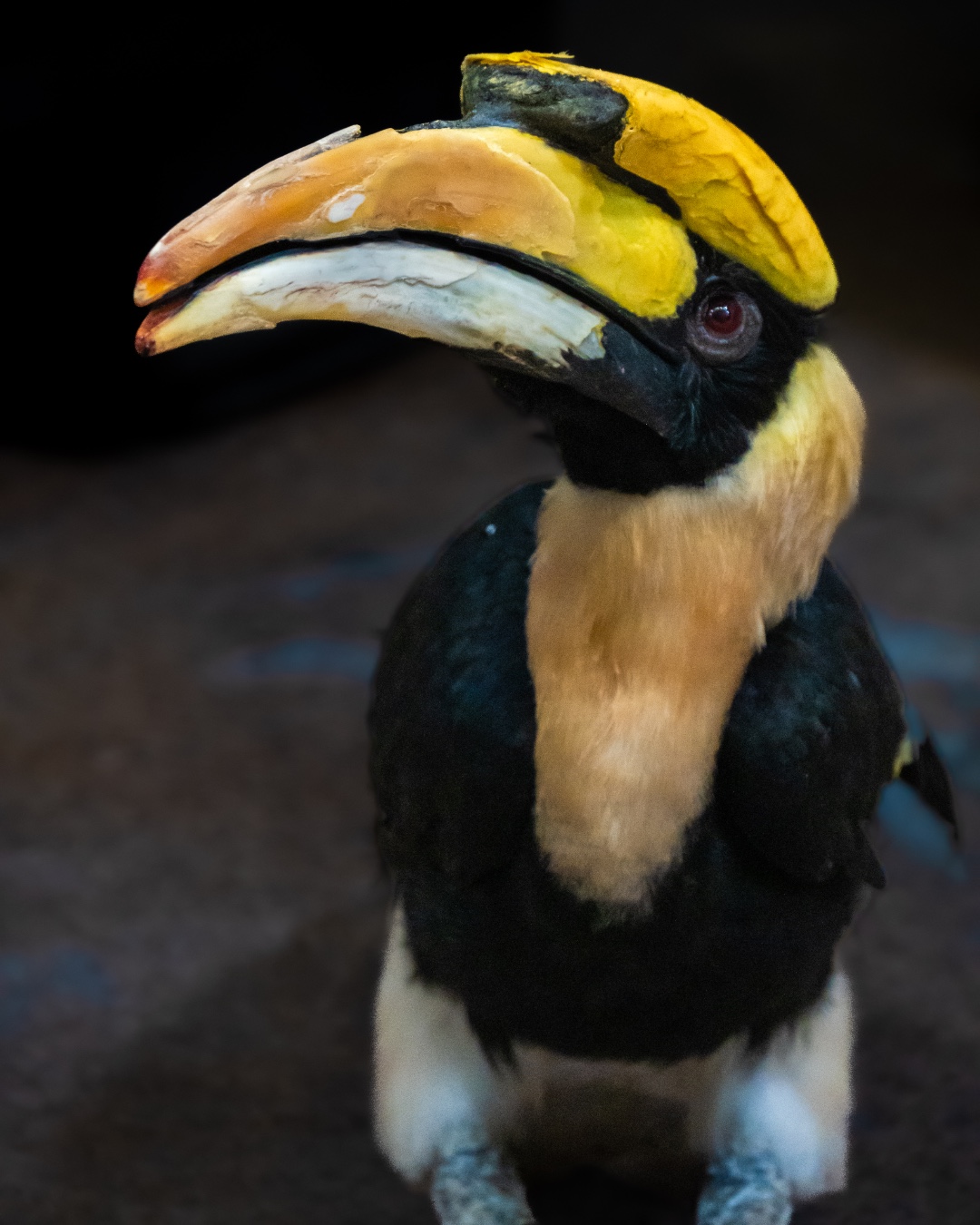
- Meet Admiral: The Great Hornbill at 33
- The Care Standards at the Avian Propagation Center
- The Role of Zoos in Wildlife Conservation
- Understanding Great Hornbills and Their Ecosystem
- Celebrating Admiral’s Impact and Legacy at DZCA
Admiral, a remarkable great hornbill, turns 33 years old, marking a significant milestone in his life and a moment of reflection on the care he receives from the dedicated staff at the Avian Propagation Center. This facility specializes in the breeding and rehabilitation of avian species, ensuring their well-being in a controlled and nurturing environment. Admiral stands as a testament to the exceptional practices that characterize the care of zoo residents.
At 33, Admiral serves as an emblem of the high standards of animal husbandry practiced at the Zoo and the commitment to providing exemplary care. The Animal Care Specialists here take a science-based approach to ensuring that all animals, including Admiral, receive the necessary health checks, proper diet, and enrichment activities. This promotes not only their physical health but also behavioral well-being. The specialists understand the importance of creating a habitat that mimics the natural environment of species, allowing Admiral to demonstrate instinctual behaviors while thriving in captivity.
The role of zoos has evolved significantly over the years. Initially conceived as mere attractions for the public, zoos have transformed into centers for wildlife conservation and education. Admiral’s presence is critical in this regard, as he provides visitors with an opportunity to learn about the species and their ecological roles. Educational programs at the Zoo foster a greater awareness of conservation issues, revealing how interconnected all species are within their ecosystems.
Great hornbills are fascinating birds that inhabit tropical forests across Southeast Asia. They are known for their striking appearance, which features a large, colorful bill and a distinctive casque. This adaptation aids in attracting mates and is indicative of health and genetic fitness. Great hornbills play a crucial role in their ecosystems as seed dispersers; their diet mainly consists of fruits, insects, and small mammals. By consuming these fruits and later excreting the seeds, they contribute to the growth of trees and plant life in their habitats. Observing Admiral allows us to appreciate these ecological contributions and understand the impact of habitat loss due to deforestation and other human activities.
The conservation status of the great hornbill is concerning, as many of their habitats are threatened. The role of zoos in this context is more significant than ever. By maintaining healthy populations of species like Admiral, zoos can serve as genetic reservoirs and provide critical insights into breeding programs. Furthermore, they often collaborate with organizations focused on in-situ conservation, helping to restore habitats and protect endangered species.
Admiral’s impact extends beyond just his immediate environment. By engaging visitors, he plays an essential role in fostering a wildlife-conscious community. Programs designed around his birthday celebrate not only his life but also highlight conservation efforts aimed at protecting the species and its habitat. Educational campaigns encourage people to participate in local and global conservation initiatives. As Admiral is celebrated at DZCA, he reminds us of the responsibilities we share in preserving biodiversity.
The birthday celebrations for Admiral demonstrate an inclusive approach that highlights the connection between the zoo and the community it serves. In addition to simply marking the occasion, the event may feature educational talks, art exhibitions, and interactive displays that engage visitors of all ages. Such initiatives can serve to inspire a new generation of conservationists who recognize the value of wildlife and the need for action to protect it.
Another critical aspect to consider is the enrichment activities that are essential for animals in captivity. For a bird like Admiral, stimulation is vital to prevent boredom and promote natural behaviors. Zoos implement various enrichment strategies to keep animals engaged both physically and mentally. This can include providing perches of different heights, introducing new food items, and crafting puzzles that challenge them to forage. Each of these elements contributes to their overall health and welfare, reflecting the zoo’s dedication to quality care.
Admiral’s existence within the Avian Propagation Center also opens the door for research opportunities. The study of his behavior and health contributes to the broader understanding of great hornbills. Such data can inform conservation strategies not just for Admiral and his kin in captivity, but also for those living in the wild. By monitoring his behavior, nutrition, and breeding success, zoologists can glean insights into the species that can assist field conservation efforts around the globe.
Moreover, the connection that Admiral represents is symbolic of the broader challenges facing wildlife today. Climate change, habitat destruction, and poaching all pose significant risks to avian populations worldwide. The shift in the role of zoos to focus on conservation highlights an urgent need for collaboration among various stakeholders. This includes government agencies, non-profit organizations, and local communities committed to preserving natural habitats.
Understanding Admiral’s background adds layers to the importance of supporting wildlife conservation efforts. Many great hornbills in the wild face significant threats from habitat loss due to agriculture and logging. By showcasing Admiral, the DZCA highlights the success stories that can arise from focused conservation efforts. The Zoo’s Animal Care Specialists are not merely caretakers; they serve as advocates for their species. Their insights and knowledge equip them to articulate the challenges and victories in the realm of wildlife conservation.
Admiral is more than just a resident of the Zoo; he is a pivotal component of an extensive network of wildlife conservation efforts. Each birthday celebration serves as a reminder of the responsibilities shared by humanity. This includes recognizing the need for sustainable practices and making informed choices that positively impact the environment. By engaging with Admiral’s story, visitors are inspired to advocate for wildlife and actively participate in conservation initiatives.
In examining Admiral’s life and the exceptional care he receives, we gain insight into the importance of high standards in animal husbandry. This practice is fundamental for the well-being of both individual animals and the species as a whole. The knowledge shared about his health, diet, and social interactions exemplifies what top-quality zoo management entails. The dedicated specialists focus on each animal’s unique needs, enabling them to provide optimal care that directly impacts their life span and quality of life.
The unforgettable experiences provided by zoos like DZCA are invaluable not only for fostering a love for wildlife but also for educating the public about the ongoing challenges faced by animals in the wild. Admiral’s long life and celebrated status act as a powerful reminder of all the creatures that rely on our awareness and action for their survival.
As we celebrate Admiral’s 33rd birthday, let his journey inspire us to reflect on our responsibilities as stewards of the planet. From the intricate relationships within ecosystems to the importance of sustainable practices, each element plays a role in ensuring that wildlife continues to thrive for future generations. Admiral stands as a symbol of hope, endurance, and the interconnectedness of all living beings—a living testimony to the efforts made to preserve the natural world. Happy hatchday, Admiral! Your legacy continues to inspire countless individuals.
*****
Source Description
Join us in wishing a very happy 33rd birthday to Admiral, one of our most distinguished avian residents at the Zoo!
Admiral is a great hornbill who lives behind the scenes at our Avian Propagation Center, where he’s thriving under the expert care of our Animal Care Specialists.
At 33 years old, Admiral is a shining example of the high standard of care provided here at DZCA. Happy hatchday to a true Zoo legend!
