
- Growth and Development of Snow Leopard Cubs
- Challenges of Raising Snow Leopards in Captivity
- The Role of Zoos in Conservation
- Behavioral Traits and Playfulness of Snow Leopard Cubs
- Visitor Experience and Educational Opportunities
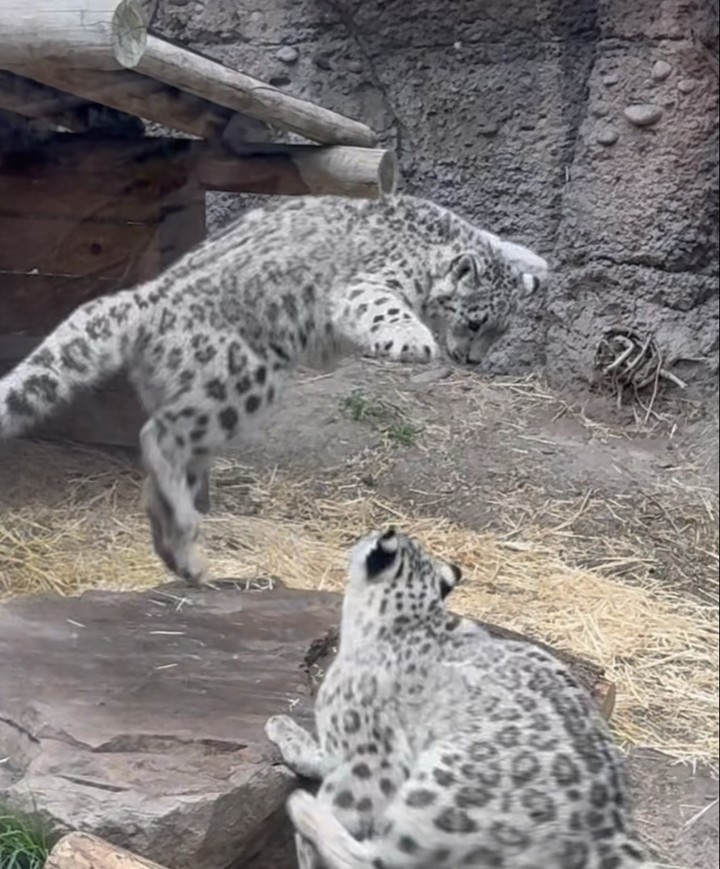
The Growth and Development of Snow Leopard Cubs like Pavlova and Bhutan are fascinating. At nearly a year old, these cubs have undergone significant changes. Born with their eyes closed and weighing around 1 pound, they now display the agility and strength typical of young predators. This growth is vital for their survival in the wild. Their remarkable transformation involves physical changes such as larger paws and stronger muscles, enabling them to make bolder pounces and explore their environment more effectively.
Raising snow leopards in captivity presents unique challenges. Zoos must carefully replicate their natural habitat, which involves managing temperature, terrain, and diet. Snow leopards thrive in cold environments, making climate control essential. Additionally, providing a diet rich in proteins mimics their natural feeding habits. Enriching their environment with opportunities for climbing and stalking helps maintain their physical and mental health.
Zoos play a critical role in the conservation of snow leopards, whose populations are threatened by habitat loss and poaching. Breeding programs in zoos contribute to genetic diversity and act as a safeguard against extinction. By studying these animals in captivity, researchers can gather data crucial for their conservation in the wild. Furthermore, zoos serve as educational platforms to raise awareness about the threats facing snow leopards and other endangered species.
The behavioral traits and playfulness of snow leopard cubs are a delight to observe. Young cubs engage in various activities that mimic hunting and survival skills. Play-fighting, chasing, and pouncing are more than just entertaining; they are essential for developing coordination and social skills. Observing these behaviors offers insights into their natural instincts and adaptability.
For zoo visitors, seeing snow leopard cubs like Pavlova and Bhutan in action is a memorable experience. It provides a unique opportunity to learn about these extraordinary animals up close. Educational programs and exhibits enhance visitor understanding of snow leopards’ roles in their ecosystem. These interactions inspire a commitment to wildlife conservation, encouraging people to support efforts to protect endangered species.
In summary, the rapid growth and robust playfulness of snow leopard cubs underscore the importance of zoos in wildlife conservation. By housing and studying species like Pavlova and Bhutan, zoos offer an educational glimpse into the challenges and triumphs of conserving these magnificent cats.
*****
Source Description
Doubled in size, tripled in chaos. 😎
Can you believe snow leopard cubs Pavlova and Bhutan are almost a year old? They grow up so fast 🥹
Come see those bigger paws make bolder pounces this weekend in Asian Highlands!
