
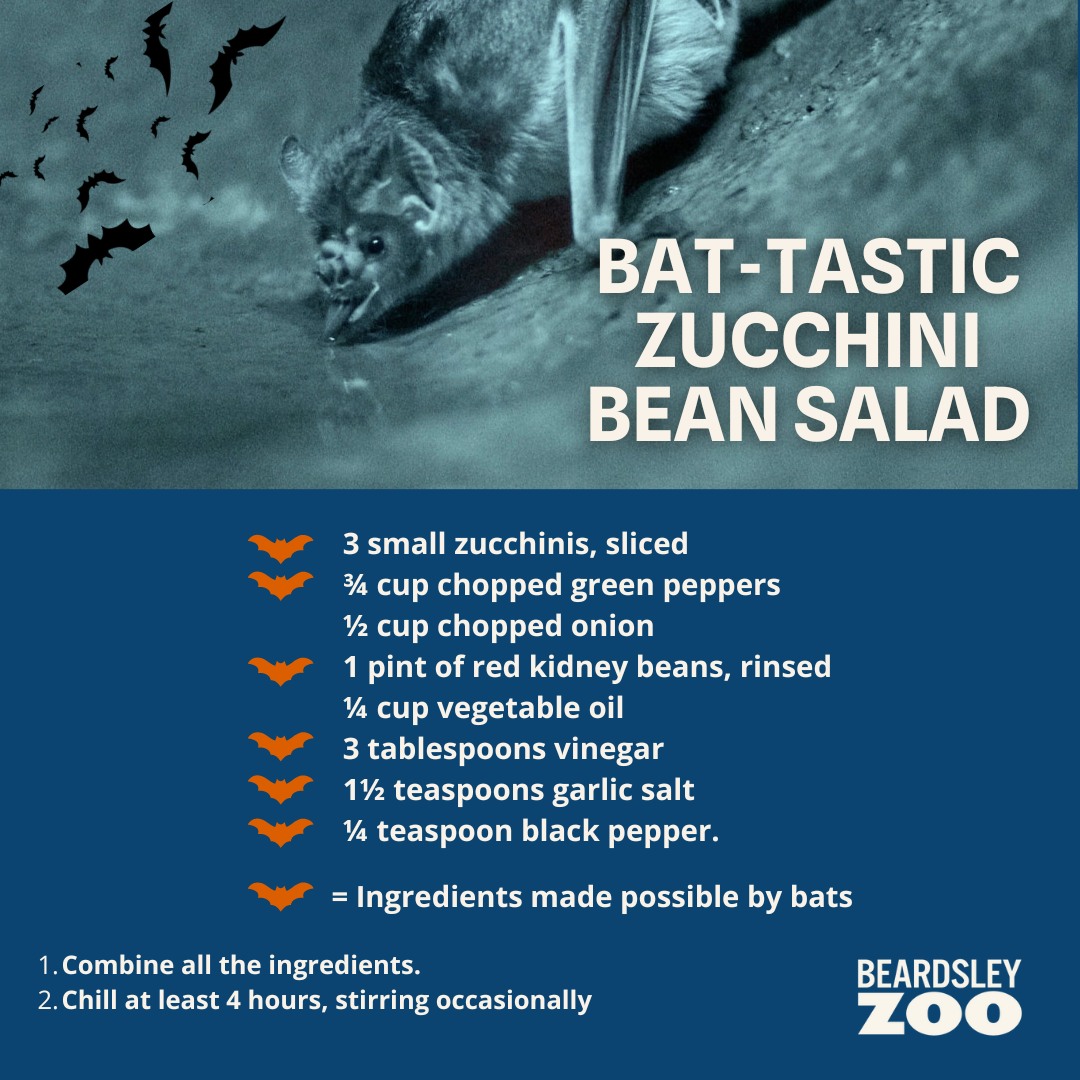
- Happy Bat Week promotes awareness about the ecological role of bats as pollinators and pest controllers.
- The significance of bats in agricultural systems, particularly in pollinating plants used in recipes like Zucchini Bean Salad.
- The relationship between bat conservation and biodiversity, emphasizing the need for protecting bat habitats.
- How individuals can contribute to bat conservation and support sustainable practices.
- Highlights of various bat species and their unique behaviors and contributions to the ecosystem.
Celebrating Happy Bat Week shines a light on these remarkable creatures that play a crucial role in our ecosystems. Bats are often overlooked, yet they are integral to pollination, pest control, and maintaining the balance in natural habitats. Whether it’s indulging in a delicious Zucchini Bean Salad or cultivating a garden, we owe gratitude to bats for their subtle but significant contributions.
Bats are among the most effective pollinators, second only to bees in many ecosystems. This is especially true for plants that thrive in tropical and subtropical regions. For instance, species such as the agave plant, integral in producing tequila, rely heavily on bats for pollination. When we enjoy foods containing zucchini, green peppers, and kidney beans, we are indirectly acknowledging the bats that help sustain these crops.
Bats play a pivotal role in agriculture. Their diet primarily includes insects, which can devastate crop fields if left unchecked. A single bat can consume thousands of insects in a night, saving farmers significant pesticide costs and supporting organic farming practices. By maintaining healthy populations of pest insects, bats assist in reducing the reliance on chemical pest control, promoting sustainable agriculture that benefits both the environment and human health.
Furthermore, bats contribute extensively to biodiversity. They facilitate the dispersal of seeds, helping to regenerate forests and maintain various plant populations. This seed dispersal is not only crucial for plant health but also for the ecosystems that depend on these plants for food and shelter. As such, bat conservation is closely linked to the preservation of biodiversity, making it essential to protect their habitats. Urban development and habitat destruction pose significant threats to bat populations.
To actively participate in bat conservation, individuals can take several steps. Supporting local bat conservation organizations is a great start. Many organizations work tirelessly to rehabilitate sick or injured bats, protect roosting sites, and research bat populations. Creating bat-friendly environments can also be impactful. Planting native gardens, installing bat boxes, and reducing the use of pesticides in your own backyard can create safe havens for bats.
Educational outreach is another opportunity to impact communities positively. Sharing information about bats’ ecological benefits with friends and family raises awareness and fosters a culture of respect for wildlife. Participating in citizen science projects or attending community events during Happy Bat Week can further connect individuals with local conservation efforts.
Several bat species are uniquely suited to various habitats, exhibiting fascinating behaviors that contribute to ecological sustainability. For instance, the Little Brown Bat is known for its rapid reproduction rate, which helps maintain stable populations. Meanwhile, the Mexican Free-tailed Bat is renowned for its extensive migratory behavior. This species roams vast distances, affecting agricultural practices in both summer and winter habitats.
The social behaviors of bats also provide insight into their ecological interactions. Many bat species are known to roost in colonies, creating complex social structures that offer protection and contribute to communal care of young. These social behaviors can lead to increased survival rates and, ultimately, stronger populations.
While celebrating Happy Bat Week, it’s essential to remember that education and conservation go hand in hand. Initiatives that promote awareness about these creatures encourage communities to take action. Recognizing the importance of bats in our food systems, from pollination to pest control, provides a clear motive to protect them.
In developing our understanding of this species, the exploration of their substantial contributions to food systems becomes increasingly important. Bats not only enrich ecosystems but also bolster our agricultural viability; the gratitude we express should extend beyond mere acknowledgment. By protecting bat habitats, we safeguard food security and foster healthier ecosystems.
The various threats that bats face are significant and demand concerted efforts from all of us. Pesticide use, habitat loss, and misconceptions about bats all contribute to declining populations. Addressing these issues involves careful planning and education to promote coexistence between humans and these winged creatures.
Additionally, understanding the role of conservation organizations can guide efforts in bat protection. Many organizations focus on creating research-based policies to advocate for wildlife protections. This is critical for creating systemic changes that can meaningfully mitigate threats to bat populations.
The celebration of Happy Bat Week not only encourages appreciation for bats but also serves as an opportunity to educate and inspire actions that contribute to their conservation. Spreading knowledge about these pollinators fosters a greater understanding of their ecological roles, encouraging more individuals to get involved in conservation efforts.
Engaging in bat conservation can yield far-reaching benefits, touching on agriculture, biodiversity, and ecosystem health. Supporting local farms that utilize sustainable practices often aligns with the conservation of bat populations. Choosing organic or bat-friendly products sends a message that prioritizes both human well-being and the welfare of wildlife.
On a community level, events held during Happy Bat Week can facilitate learning and connection among residents. Workshops on creating bat habitats or information sessions led by experts can promote engagement. This also provides a unique opportunity for communities to join together in celebrating the contributions of these often-misunderstood creatures.
A commitment to understanding bats and their ecological roles is vital for creating lasting change. Every step taken towards conservation—whether it’s advocating for bat-friendly policies or simply learning more about these animals—helps reinforce the importance of bats as environmental stewards.
As we enjoy meals enriched by the labor of pollinators, let’s extend our gratitude to bats, recognizing them for their tireless work. From increasing crop yields to sustaining ecological balance, their impact is far-reaching and essential for our survival.
By embracing the spirit of Happy Bat Week, we can advocate for these remarkable creatures and play an active role in their conservation. Our culinary traditions can reflect the intertwined relationships between bats and food systems, reminding us all to celebrate our winged allies with appreciation, respect, and action.
*****
Source Description
🦇 Happy Bat Week! 🦇
We’re celebrating our winged pollinator pals with a Bat-tastic Zucchini Bean Salad made possible (almost entirely) by bats! 🌿💚 From zucchini and green peppers to kidney beans and vinegar, bats help pollinate or protect the plants that make this recipe possible.
Let’s give a round of applause (or a wing flap!) to these unsung heroes who help keep our meals fresh and flavorful. Want more bat-powered bites? Check out these Bat-tastic recipes out here: https://www.beardsleyzoo.org/big-brown-bat.html
