
- Understanding the classification of cats within the Felidae family
- Celebrating the bond between domestic cats and humans on Happy Cat Day
- Exploring the roles of both small and big cats in ecosystems
- The importance of wildlife conservation and the challenges facing felids
- Engaging in responsible pet ownership and care for domestic cats
Happy Cat Day is a celebration dedicated to honoring our feline companions. This occasion provides an opportunity to reflect on the broad spectrum of cats within the Felidae family, which ranges from ordinary house pets to magnificent big cats, such as lions and tigers.
Cats are scientifically classified under the family Felidae, which comprises various species categorized into two primary subfamilies: Pantherinae and Felinae. The Pantherinae subfamily includes large cats that are capable of roaring, such as lions, tigers, leopards, and jaguars. In contrast, the Felinae subfamily encompasses smaller cats, including domestic cats, bobcats, and cheetahs. Understanding these classifications highlights both the diversity and complexity of the feline family.
The bond between humans and domestic cats is particularly significant on Happy Cat Day. Domestic cats enjoy a unique status in human society. Millions of households worldwide can attest to the companionship and comfort these animals provide. While the exact timeline of domestic cats’ relationship with humans is not clear, archaeological evidence suggests that this bond dates back over 9,000 years. Cats were likely drawn to human settlements by the abundance of rodents and, in turn, humans appreciated their skills in pest control. Over time, companionship flourished, leading to the diverse breeds and behaviors observed in domestic cats today.
Celebrating Happy Cat Day allows for a deeper appreciation of this connection. It serves as a reminder that cats are not just pets but also cherished members of families. It is an occasion to recognize the joy they bring to households and the various roles they play. From playful antics to soothing purrs, domestic cats offer emotional support and companionship, contributing greatly to their owners’ well-being. The simple act of petting a cat can reduce stress and promote relaxation, underscoring their importance in our lives.
Examining the roles of smaller and larger cats reveals their vital functions in ecosystems. Each species of cat contributes uniquely to the ecological balance. For instance, domestic cats help control local rodent populations. In wild settings, big cats maintain herbivore populations, which in turn supports vegetation and biodiversity. As apex predators, they play a critical role in maintaining the health of their habitats by controlling prey species and reducing overgrazing. This dynamic relationship between predator and prey exemplifies nature’s delicate balance.
The importance of wildlife conservation comes to the forefront when considering the challenges facing felids. Habitat loss, poaching, and human-wildlife conflict pose significant threats to many cat species. In particular, large cats are often targeted for their skins, bones, and other body parts, leading to drastic population declines. Conservation organizations strive to protect these species through habitat preservation, anti-poaching measures, and education. Increased awareness and appreciation, especially on days like Happy Cat Day, are crucial to safeguarding these magnificent animals for future generations.
Ensuring responsible pet ownership is another key aspect of cat welfare. Owning a cat comes with a set of responsibilities, including regular veterinary care, proper nutrition, and mental stimulation. Spaying or neutering pets can help reduce overpopulation and the number of cats in shelters. Providing enrichment, such as toys and interactive play, is crucial for a cat’s mental and physical health. Owners should also be aware of the dangers of letting cats roam freely outdoors. Feline predators can pose risks to local wildlife and can be subjected to various dangers themselves, such as traffic and disease.
Furthermore, Happy Cat Day encourages the adoption of shelter cats, reminding potential pet owners of the thousands of cats awaiting loving homes. Adopting a cat not only saves a life but also provides an opportunity for a rewarding companionship. This supports the larger mission of reducing the overpopulation crisis and gives shelter animals a chance at a better life.
The celebration of Happy Cat Day aligns with broader initiatives aimed at cat welfare, including fostering and volunteering at local shelters. Communities can come together to support local animal rescue efforts, advocate for spaying and neutering programs, and promote awareness of responsible pet ownership practices. Participating in outreach initiatives can inform the public about the challenges felids face, both domestically and in the wild.
The inherent playfulness and charm of cats contribute significantly to their social appeal. Various breeds possess distinct characteristics and temperaments. For example, the Siamese cat is known for its vocal nature and affectionate demeanor, while the Maine Coon is recognized for its friendly attitude and impressive size. This diversity among domestic cat breeds further illustrates the unique qualities of felids as a whole.
As we continue to celebrate Happy Cat Day, it is essential to remind ourselves of the many facets of feline existence. Cats are more than just companions; they are integral parts of ecosystems, and their welfare is tied closely to human actions. By promoting awareness around the importance of conservation, responsible pet ownership, and the enrichment of all felid species, we can foster a deeper understanding of these remarkable animals.
Moreover, initiatives like “Cat Cafés” have emerged in urban settings, allowing people to interact with adoptable cats in a relaxed environment. This is a novel approach that not only helps socialize shelter cats but also raises awareness about cat adoption and responsible pet ownership. Such venues highlight the positive impact of engagement between humans and cats, reinforcing the bond celebrated on Happy Cat Day.
Scientific research into feline behavior, health, and social interactions continues to advance. Understanding these aspects can help enhance the lives of both domestic and wild cats. Studies on feline communication, for example, reveal that cats have a complex repertoire of sounds and body language that they use to communicate with humans and other felids. This rich communication system underscores the importance of social dynamics in their lives.
The rising interest in feline health has led to improved veterinary care practices, focusing on preventive measures and enhancing the quality of life for pets. Regular health check-ups and vaccinations are essential in addressing common ailments, ensuring that our domestic cats live long, healthy lives. Moreover, incorporating natural diets and understanding specific nutritional needs can significantly impact a cat’s overall well-being.
By emphasizing educational outreach on days like Happy Cat Day, society can work collectively to promote and protect the various species within the Felidae family. Institutions such as nature reserves, zoos, and educational programs serve as critical platforms for raising awareness and fostering conservation efforts.
Cats play an essential role in various ecosystems, both as predators and as beloved companions to humans. Understanding their significance within the Felidae family enriches our appreciation for them. Celebrating Happy Cat Day serves to honor not only our cats at home but also those majestic wild felids facing significant challenges.
Fostering curiosity about felids, whether in a pet owner’s living room or a vast national park, underscores the importance of coexistence and conservation. By nurturing a sense of responsibility towards these animals, society can actively contribute to their protection and well-being. This day highlights the intrinsic ties between humans and cats, reminding us all of our shared responsibility and the joys gained from this meaningful relationship.
*****
Source Description
Happy Cat Day! 🐈
Cats are classified as Felidae, a family in the carnivore order. They encompass everything from your house cat to an Amur tiger!
“BIG” cats, those in the genus Panthera, include tigers, lions, leopards, jaguars, and snow leopards. All except the snow leopard have the ability to roar!
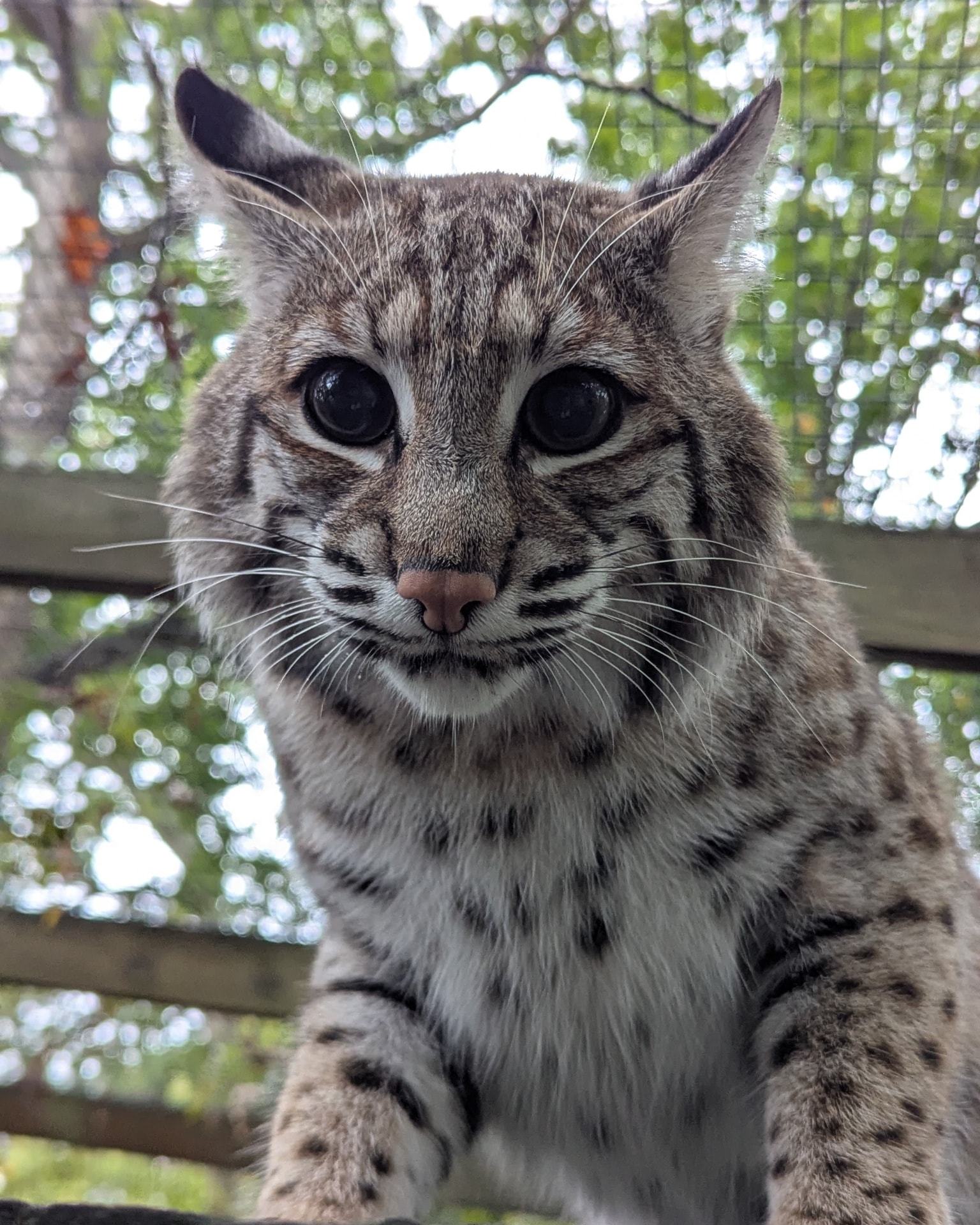
“Small” cats belong to the genus Felinae, which includes all other cats, from cheetahs and bobcats to the domestic housecat!
(📷of Bobcat Arthur: Zookeeper Pete)
