
- The significance of the International Day for Biological Diversity and its role in promoting understanding and conservation of biodiversity.
- The critical importance of biodiversity in maintaining healthy ecosystems, with a focus on the dynamics of kelp forests.
- The impact of sea urchin overpopulation on kelp ecosystems and the ecological balance.
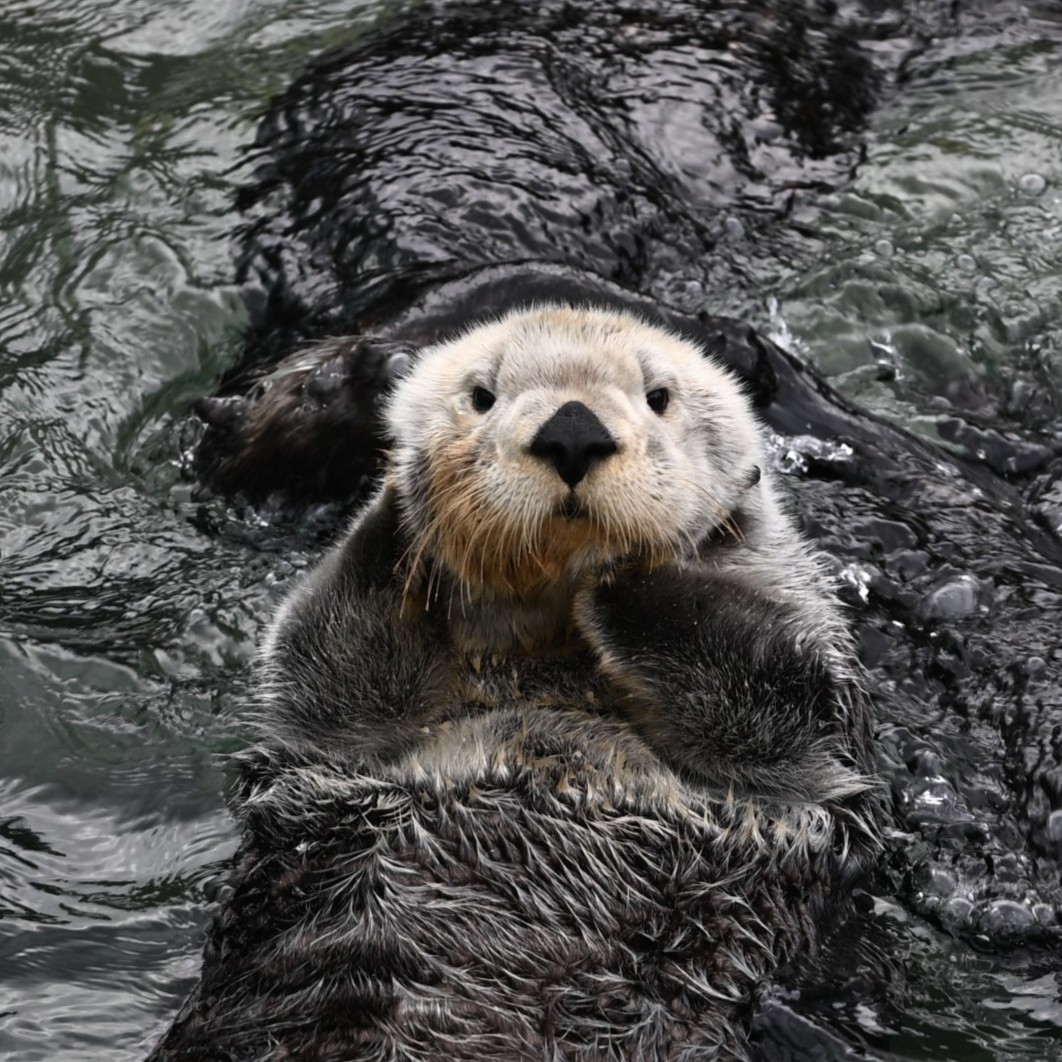
- The role of sea otters as keystone species in controlling sea urchin populations and safeguarding kelp forests.
- Conservation efforts and the broader importance of protecting biodiversity on a global scale.
Biodiversity, the rich tapestry of life on Earth, is celebrated globally on the International Day for Biological Diversity, observed on May 22nd. This day is crucial for raising awareness about the myriad species that share our planet and the intricate ecosystems they inhabit. Recognizing the day fosters a deeper understanding of the need to preserve the rich diversity of life that sustains ecological balance and provides invaluable resources and services to humanity.
Biodiversity serves as the foundation of healthy ecosystems. These ecosystems provide vital functions like pollination, water purification, soil fertility, and climate regulation. Among these ecosystems, kelp forests stand out for their dense assemblages of sea kelp that offer habitat and food for a multitude of marine life. However, this delicate balance can be disturbed easily. Overpopulation of sea urchins exemplifies such a threat, as these spiny creatures consume large sections of kelp, leading to the degradation of these underwater jungles.
Sea urchins thrive in the absence of their natural predators, such as sea otters. When urchin populations become excessive, they overgraze on kelp, reducing these vital forests to barren underwater landscapes termed "urchin barrens." This results in loss of habitat and food sources for numerous marine species, highlighting the interconnectedness inherent in ecosystems.
Enter the sea otter, a literal safeguard of the kelp forest ecosystem. Sea otters are crucial in controlling the sea urchin population, making them a keystone species—organisms that have a disproportionately large impact on their environment relative to their abundance. By preying on sea urchins, sea otters help sustain the health and diversity of kelp forests, maintaining the ecosystem’s ability to support diverse marine life.
The role of sea otters extends beyond their immediate ecological impacts. The protection of these marine mammals has broader implications for biodiversity conservation. Efforts to safeguard and increase otter populations reflect wider conservation strategies that focus on mitigating human impacts on marine environments, such as overfishing and habitat destruction.
On the global stage, conservation strategies emphasize the protection and restoration of biodiversity as a priority. The interconnected nature of ecosystems means that disruptions in one area can lead to cascading effects in others. Conservation initiatives target multiple levels, from local habitat restoration projects to international agreements aimed at reducing biodiversity loss and combating climate change.
As we mark the International Day for Biological Diversity, it’s essential to highlight the role and importance of biodiversity in maintaining ecological balance. The example of kelp forests, sea urchins, and sea otters exemplifies the intricate network of relationships that sustain our planet’s ecosystems. Understanding these dynamics provides insight into how we can better protect our natural world.
Ultimately, achieving sustainable ecosystems relies on education, awareness, and concerted conservation efforts. Engaging communities, empowering local populations, and fostering international cooperation are critical steps in preserving biodiversity. The call to action is clear: protect and cherish the natural world today to benefit future generations. The International Day for Biological Diversity serves as a reminder of the pledges we must uphold toward our environment and its myriad forms of life.
*****
Source Description
May 22nd is the International Day for Biological Diversity! Biodiversity is critical to the health of ecosystems like kelp forests, but an overpopulation of sea urchins can throw a wrench in the works by overeating the kelp that allows the ecosystem to thrive. As a natural predator of sea urchins, sea otters help to protect these ecosystems by keeping urchin populations in check — making sea otters a keystone species!
