
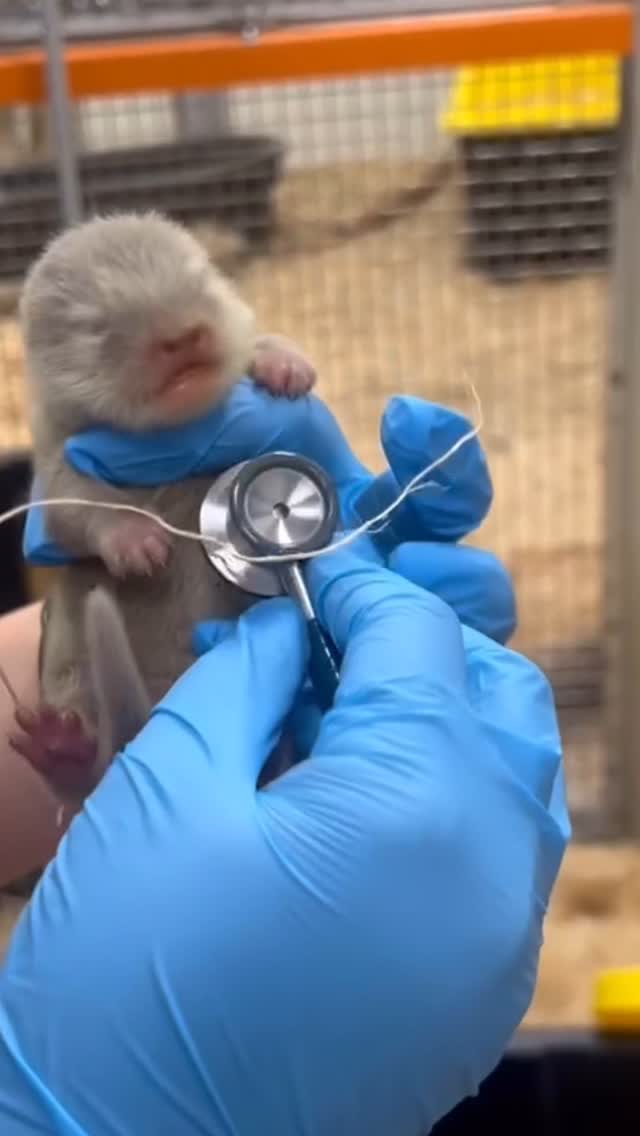
- Introduction to the Cincinnati Zoo’s care and assessment of Asian small-clawed otter pups.
- The importance of regular wellness checks for zoo animals and what they entail.
- Detailed information about Asian small-clawed otters: biology, behavior, and habitat.
- The role of zoos in conservation and breeding programs for endangered species.
- Insights into zoo management and veterinary care for small mammals.
The Cincinnati Zoo recently shared a heartening update: the veterinary staff and animal care team performed a wellness check on their Asian small-clawed otter pups, confirming they are healthy and likely all male. This routine but essential task highlights the detailed and crucial care that zoos provide to ensure the health and well-being of their animals. This article examines these wellness checks, explores the fascinating biology of Asian small-clawed otters, and considers the broader implications for conservation and zoo management.
Regular wellness checks are critical for the health management of zoo animals. These checks typically involve physical examinations where veterinarians assess the otters’ weight, coat condition, eye clarity, and general physical health. Blood tests might also be conducted to screen for any underlying health issues. The Cincinnati Zoo’s veterinary team looks for developmental milestones, important in determining whether the pups are thriving. These wellness checks serve as preventive measures, helping catch and address potential health issues early, ensuring that animals receive the best care possible.
The Asian small-clawed otter, native to Southeast Asia, is the smallest otter species. They are known for their dexterous claws, which aid in their primary diet of mollusks, crabs, and small fish. These otters are social animals, often found in family groups, which is a behavior echoed in zoo environments where family dynamics are observed and supported. Their habitats include coastal wetlands and marshes, areas currently under threat due to human activities like deforestation and pollution. Understanding their natural behaviors and habitat is paramount for their care in captivity and informs efforts to preserve their environments in the wild.
Zoos play a pivotal role in the conservation and breeding of endangered species like the Asian small-clawed otter. These breeding programs are meticulously planned to maintain genetic diversity and healthy populations. The Cincinnati Zoo’s programs often collaborate with other institutions to exchange animals and information, enriching the genetic pool which is critical for species survival. Such efforts are vital as they help build assurance populations that might one day bolster wild populations or be reintroduced into their natural habitats.
Zoo management involves complex operations, balancing animal care, education, and visitor engagement. For small mammals like otters, this means creating enriching environments that mimic natural habitats as closely as possible. The Cincinnati Zoo invests in habitat design that encourages natural behaviors, providing the otters with opportunities for play, nesting, and foraging. These efforts also aim to educate the public about these creatures’ roles in their ecosystems and the conservation challenges they face.
Veterinary care in zoos is both a science and an art. It requires up-to-date knowledge of species-specific needs and challenges associated with captive environments. Veterinarians not only treat illnesses but also work proactively to improve animal welfare through regular health assessments and the implementation of advanced healthcare practices. Their work ensures that the otters at the Cincinnati Zoo thrive, contributing to long-term conservation successes.
This Cincinnati Zoo pupdate offers more than just good news about the otter pups; it highlights the tireless efforts of zoos worldwide in conservation and education. Through diligent care and strategic breeding programs, zoos are at the forefront of protecting some of the planet’s most endangered species, ensuring future generations can enjoy and learn from these extraordinary animals.
*****
Source Description
Pupdate: Cincinnati Zoo veterinary staff and animal care team conducted a wellness check on the Asian small-clawed otter pups. The pups appear healthy! We believe all four are male!
