
- Understanding the Ecological Importance of Vultures
- The Declining Vulture Populations and Their Causes
- The Role of Zoos in Vulture Conservation
- Impact of Vultures on Human Health and Economy
- How Individuals Can Contribute to Vulture Conservation
Vultures play a critical role in maintaining ecological balance. They efficiently consume carcasses, thus cleaning the environment and preventing the spread of diseases such as rabies, tuberculosis, and botulism. This essential function serves to keep ecosystems healthy, demonstrating why vultures are indispensable. Economically, their presence can save governments substantial funds, as their natural clean-up efforts reduce the need for artificial disposal methods. A decline in their populations presents profound concerns, not just for ecosystems but also for human health and safety.
Globally, vulture populations are suffering, with around 70% classified as threatened, endangered, or critically endangered. Multiple factors contribute to this alarming trend. One significant factor is poisoning. In many parts of the world, vultures are unintentionally poisoned through bait meant for other species like livestock predators. This problem is exacerbated by the increasing collision with energy infrastructures such as wind turbines and power lines. Additionally, habitat loss due to urban expansion and agriculture reduces nesting sites and feeding opportunities. Food availability is also a concern; as livestock decrease or are treated with veterinary drugs that are harmful to vultures, these birds find it increasingly challenging to survive.
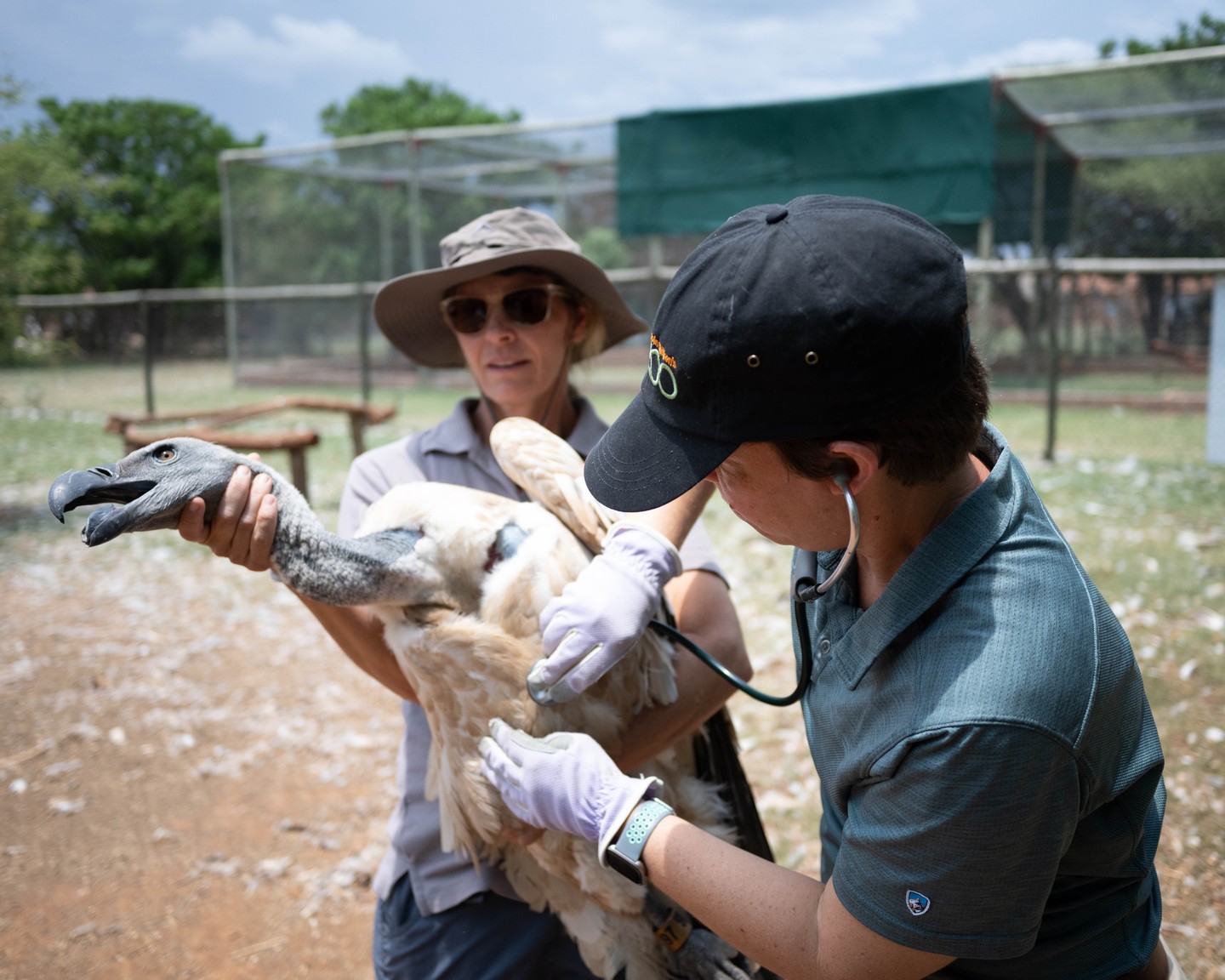
Zoos play a vital function in aiding the conservation of vultures and promoting awareness. For instance, the Lincoln Children’s Zoo fosters an essential partnership with VulPro, a rehabilitation facility in South Africa dedicated to vulture conservation. The zoo has not only provided monetary support but also donated medical equipment vital for the treatment of injured vultures. The collaboration emphasizes the importance of community involvement in global conservation efforts. Zoos serve as centers for education and advocacy, encouraging visitors to participate in conservation initiatives and understand biodiversity’s significance.
Vultures significantly impact human health and the economy. They act as nature’s sanitation workers, eating dead animals that would otherwise contaminate the environment. Their absence could lead to a surge in diseases that could affect both wildlife and human populations. It’s estimated that vultures provide ecosystem services worth millions of dollars every year through their natural scavenging. This aspect often goes unnoticed but underscores the economic implications of declining vulture populations.
Individuals can take meaningful steps to support vulture conservation. Visiting zoos like the Lincoln Children’s Zoo not only highlights the plight of these birds but also spreads awareness through education programs. Participating in local conservation efforts, donating to organizations that protect vultures, and advocating against poisoning are additional ways to contribute. Community events or campaigns focused on vultures can raise awareness and generate much-needed funds for rehabilitation efforts.
Vultures also serve as bioindicators, providing insight into the health of ecosystems. The decline of these birds can signal broader environmental issues, hinting at problems such as pollution or habitat destruction. This makes monitoring vulture populations crucial for conservationists and policymakers. Implementing effective conservation strategies requires a comprehensive understanding of the pressures facing vultures and developing sustainable practices to mitigate these challenges.
Further collaborations between governments, NGOs, and local communities are necessary to effectively address the problems vultures face. Legislative efforts aimed at banning harmful veterinary drugs that poison vultures can significantly aid in reversing population declines. Moreover, creating protected areas for nesting and feeding can help restore their habitats. Awareness campaigns are essential to educate the public about the ecological importance of vultures and mobilize support for conservation efforts.
The conservation of vultures is interconnected with broader biodiversity goals. Protecting these scavengers contributes to the overall health of ecosystems, which, in turn, supports numerous species within those environments. Research indicates that healthy vulture populations can impact survival rates of other wildlife, creating a cascading effect in ecosystems that benefits various organisms. Thus, prioritizing vulture conservation ultimately fostersenvironmental resilience against climate change and habitat loss.
In addition to governmental and zoo-led conservation strategies, the role of citizen scientists in vulture conservation cannot be overstated. Engaging the public through citizen science programs allows individuals to contribute to data collection and monitoring efforts. These programs can involve tracking vulture sightings, reporting poisoned carcasses, or participating in nesting surveys. By enhancing public involvement, conservation efforts can harness community support to advocate for stronger regulations and practices focused on protecting vultures.
Public awareness and education have a powerful impact. The more people understand how vital vultures are, the more support there will be for their conservation. Educational programs in schools, community workshops, and online initiatives can inspire individuals to take action. Vulture Awareness Day, celebrated annually, brings attention to these majestic birds and the challenges they face. It serves as a platform for organizations and zoos to rally support and inspire change.
As urban areas expand, understanding the implications of habitat loss becomes crucial for vultures. Encroaching development often leads to the destruction of nesting sites and foraging habitats. Therefore, proactive measures targeting conservation through urban planning and sustainable land use can benefit vultures and other wildlife. By implementing green spaces within urban environments, cities can create refuges for these birds, helping to preserve biodiversity in increasingly urbanized landscapes.
Research efforts focused on understanding the specific dietary needs, breeding behaviors, and migratory patterns of vultures are essential for effective management strategies. Biological studies often reveal the complex nature of scavenger dynamics and how they interact with their ecosystems. The role of vultures as apex scavengers means their feeding habits significantly shape other wildlife communities. Maintaining this ecological balance requires ongoing research and collaboration among various scientific disciplines.
In preserving vulture populations, we also protect the invaluable services they provide. Utilizing these birds in educational settings draws attention to the importance of wildlife conservation and helps counter misinformation about vultures. They are often misconstrued as harbingers of death, but in reality, they play a crucial role in sustaining life. Shifting public perception can enhance support for conservation efforts, ensuring these birds are viewed as vital members of their ecosystems rather than as pests.
Through celebrating International Vulture Awareness Day, we highlight the importance of vultures and advocate for their protection. Recognizing their contributions to ecosystem health emphasizes our responsibility to safeguard their populations from numerous threats. Supporting conservation initiatives like those led by the Lincoln Children’s Zoo not only aids vultures but also fosters a greater appreciation for biodiversity. There are myriad ways individuals can make a difference. From supporting zoos and rehabilitation facilities to spreading awareness and engaging in community efforts, each action contributes to a collective effort in preserving vulture populations.
Through understanding the ecological significance, causes for population decline, and the roles of zoos and individuals in conservation, we forge a path forward. A future with healthy vulture populations reflects a balanced ecosystem—one in which these remarkable birds continue to fulfill their essential role. Vultures are not just scavengers; they are integral to our environmental health and economic sustainability. Supporting their conservation is a shared responsibility that benefits all.
*****
Source Description
Today is International Vulture Awareness Day! Please join us in celebrating this VITAL species. By consuming diseased carcasses, vultures help clean our planet and help control the spread of diseases such as rabies, bubonic plague, tuberculosis, brucellosis and botulism. Not to mention their removal of carcasses is an irreplaceable ecosystem service that would cost governments millions of dollars. To sum it up, we NEED vultures.
Unfortunately, vulture populations around the world are declining with 70% listed as threatened, endangered, or critically endangered. Threats to their population include poisoning, collisions with energy infrastructures, habitat loss and food availability.
You can help support this vital species just by visiting the Zoo! Lincoln Children’s Zoo supports important conservation efforts in South Africa through our partnership with VulPro, a vulture rehab facility and conservation organization. The zoo has donated critical medical equipment and provided on-site medical assistance at their facility in South Africa.
Thank you for helping us celebrate and spread awareness of this incredibly important species this International Vulture Awareness Day!
