
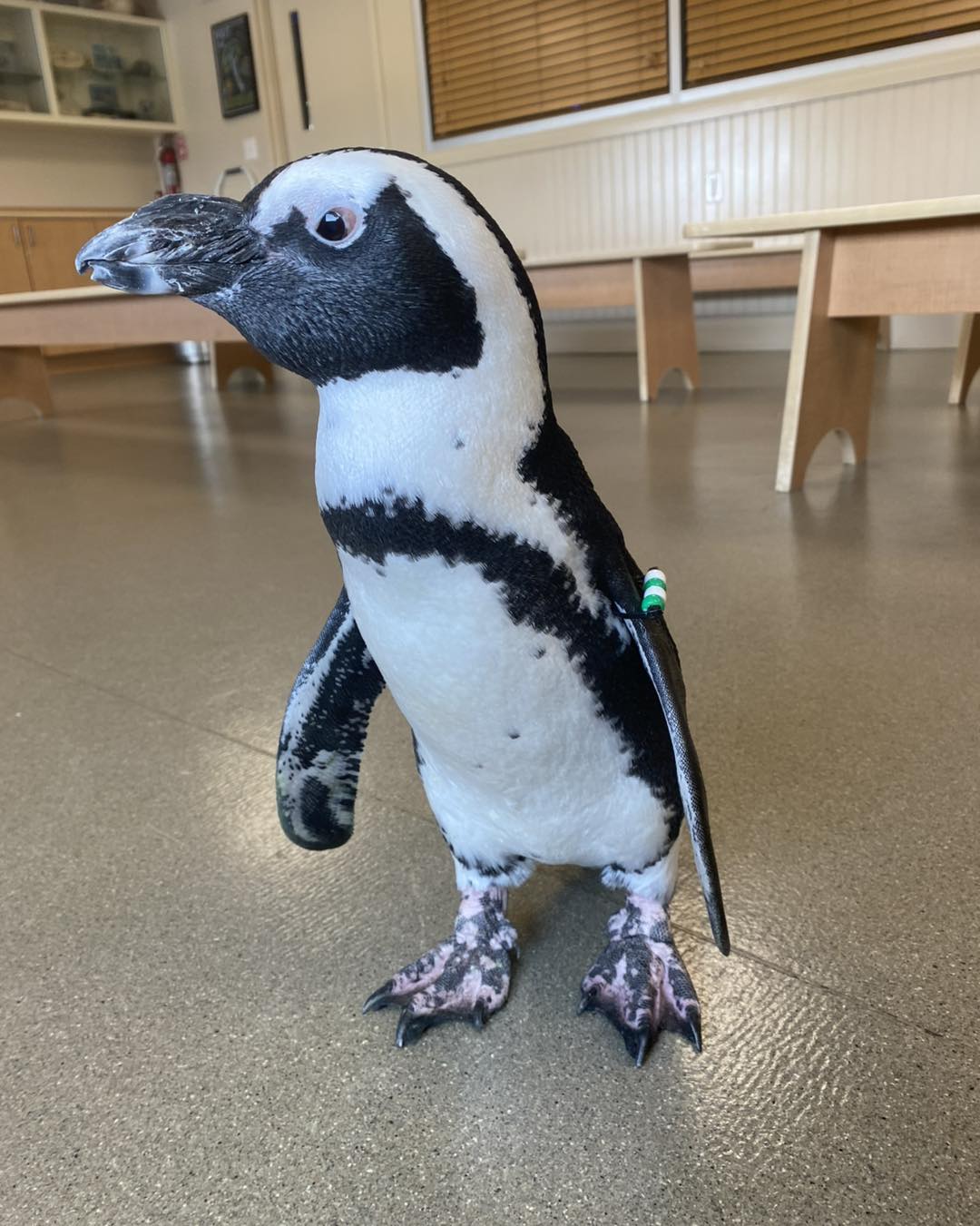
- Penguins are fascinating flightless birds with unique adaptations.
- Understanding penguin habitats is crucial for conservation efforts.
- Engaging programs like Penguins and Pajamas can foster wildlife appreciation in children.
- The biology and behavior of African penguins provide insights into their survival.
- Wildlife conservation strategies are essential to protect penguin species from extinction.
Penguins are captivating flightless birds found primarily in the Southern Hemisphere. Their distinctive waddling gait and striking black and white plumage make them a favorite among animal lovers. Penguins have evolved numerous adaptations that enable them to thrive in harsh climates, notably their streamlined bodies and robust flippers, which allow for agile swimming. Their feathers are tightly packed and insulated, providing protection against cold temperatures and water. These adaptations not only showcase their unique biology but highlight the marvels of evolution in the animal kingdom.
Habitat plays a critical role in the life cycle of penguins. They inhabit various environments, from icy landscapes in Antarctica to temperate regions in South Africa and South America. Understanding these habitats is essential for developing effective conservation tactics. For instance, the African penguin, native to the southwestern coast of Africa, relies on its coastal environment for breeding and foraging. Unfortunately, this habitat is increasingly threatened by climate change, overfishing, and human activities. Protecting these vital habitats is a significant focus of many wildlife organizations.
The upcoming Penguins and Pajamas event is an excellent opportunity for families to engage with these remarkable creatures in an educational setting. Scheduled for September 13th from 9-10am, this program encourages participants to don their favorite pajamas while learning about penguins through storytelling, crafts, and an exclusive Meet & Greet with an African penguin. This engaging approach fosters a sense of wonder and encourages children to appreciate the natural world. It is critical to instill a love of wildlife in young minds, as they are the future stewards of the environment.
The biology and behavior of African penguins provide a fascinating glimpse into their lives. These penguins are known for their distinctive vocalizations, which play a significant role in social organization. Each penguin has a unique call used to communicate with mates and chicks. Their breeding habits further highlight their adaptive nature, as they typically nest in burrows or under vegetation to protect their eggs from predators. The care given to their offspring is shared equally by both parents, which is somewhat unusual among bird species. This behavior not only aids in the survival of the young but also strengthens the pair bond.
Conservation strategies are vital for the protection of penguins, particularly as many species face significant threats. For instance, the African penguin population has drastically declined over the past few decades, primarily due to habitat loss and depletion of fish stocks. Conservation agencies are working tirelessly to implement measures that can reverse these trends. This includes establishing marine protected areas to safeguard vital feeding grounds, as well as creating awareness campaigns to educate the public about the importance of protecting these birds and their habitats.
The Penguins and Pajamas program not only provides a fun experience for children but also serves as a platform to promote wildlife conservation. By directly engaging with the penguins, attendees can form a personal connection, helping them understand the importance of protecting these animals and their environments. Such initiatives play a crucial role in fostering an appreciation of biodiversity and the urgency of conservation efforts.
Habitat conservation is as important as the penguins themselves. Strategies include monitoring populations, breeding programs, and enhancing natural habitats. Marine protected areas are essential for the sustainability of fish populations that penguins rely on for food. Research has shown that well-managed areas can lead to healthier ecosystems supportive of both marine life and terrestrial species. Working together, communities, governments, and conservation organizations can create an environment where penguins can thrive.
The event’s educational activities, from storytelling to crafts, aim to impart knowledge about penguin life cycles, feeding habits, and environmental influences. Children learn about penguin conservation while engaging in hands-on activities that reinforce what they learn. This combined approach bolsters their understanding of ecological systems and the significance of every species in maintaining a balanced ecosystem.
Through initiatives like Penguins and Pajamas, zoos and aquariums play an essential role in wildlife conservation. They not only provide a home for penguins and other animals but also advance research and education on various species. By hosting interactive experiences, they can reach a broader audience and inspire action toward conservation. This kind of outreach fosters a sense of urgency regarding wildlife protection and environmental stewardship.
Understanding penguins goes beyond simply observing them in their habitats. The behaviors and adaptations of these remarkable birds are interconnected with global ecological trends. As climate change continues to impact natural habitats worldwide, species like penguins serve as vital indicators of environmental health. Conserving their populations can yield important insights into broader ecological conditions.
Fostering a passion for wildlife in children is an integral part of wildlife conservation. By participating in programs like Penguins and Pajamas, youngsters gain firsthand experience with penguins, setting a foundation for environmental awareness. Educational initiatives help cultivate future generations of conservationists. The emotional connection formed during such encounters often translates into action—whether it’s supporting wildlife organizations, participating in clean-up events, or advocating for sustainable practices.
Moreover, children engaging with penguins are contributing to a more profound, collective effort to implement meaningful change. Awareness drives often lead to actions that can benefit entire ecosystems. Children learn not only about penguins but about the broader climate crisis, inspiring a commitment to sustainable habits.
Diving deeper into the science behind penguin biology reveals more fascinating details. For instance, while many animals utilize camouflage, penguins rely on counter-shading. Their dark backs blend with the ocean’s depths, while their white bellies mimic the lighter sky when viewed from below. This adaptation plays a crucial role in predator avoidance, allowing them to evade seals and other natural enemies.
Penguins are also social animals, exhibiting complex social structures within colonies. These interactions influence their breeding and foraging behaviors. Their communal nesting provides additional protection against predators, while fostering cooperative behaviors essential for rearing chicks. Understanding these dynamics is critical for implementing conservation measures that consider not just the individual species but also the societal structures that define them.
Climate change poses an ever-growing threat to penguin habitats. Rising sea temperatures can lead to a decline in fish populations, crucial for their survival. Additionally, melting ice caps threaten breeding grounds for many species. Conservationists are tirelessly working to communicate these risks and push for policy changes aimed at addressing climate change. Preventing further habitat degradation is vital for preserving biodiversity and protecting species at risk of extinction.
In essence, every individual has a role to play in wildlife conservation. Initiatives like Penguins and Pajamas not only educate young audiences about penguins but also empower them to make a difference. When families participate, they learn about penguins and how their actions impact the environment. This knowledge can ultimately lead to stronger advocacy for wildlife conservation efforts.
Even as species face the challenges of climate change and habitat loss, various successful conservation efforts demonstrate the potential for recovery. Increased protection measures have shown promise, leading to sightings of previously dwindling populations. Success stories exist and are essential for inspiring continued efforts.
With strategies ranging from habitat restoration to community engagement, the future of wildlife conservation is hopeful. Programs like Penguins and Pajamas highlight impactful methods of promoting conservation while fostering a love and understanding of wildlife in young minds. These experiences reinforce that the health of the planet relies heavily upon shared responsibility.
Through education, community involvement, and scientific research, there is optimism for penguins and other wildlife hoping to thrive amid challenges. Engaging children in activities such as Penguins and Pajamas can lead to a growing commitment to protecting not just penguins but numerous other species that share our ecosystem. Instilling respect for all living creatures ensures that future generations advocate for a healthier, more sustainable world for all.
The responsibility of caring for our environment falls on all of us. Learning about penguins today can inspire impactful changes tomorrow. The actions we take now will determine the future for these incredible birds and the planet as a whole.
*****
Source Description
🐧 Penguins and Pajamas! 🐧
It’s the return of our ever popular Penguins and Pajamas on September 13th from 9-10am! Waddle your way into a wonderful morning with our favorite flightless friends! Put on your favorite pair of pajamas and join us in learning all about penguins through storytelling, a craft, and a special Meet & Greet with one of our African penguins!
Program price includes all day admission, along with a before-hours aquarium visit. This program is open to to children of all ages. Pre-registration required. Link in bio to register ⬆️
