
- The significance of National Dinosaur Day and its educational role in zoology and conservation.
- Introduction to the Zoorassic World: Frozen in Time exhibit and its featured species.
- Detailed exploration of the Acrocanthosaurus, Woolly Mammoth, and Triceratops.
- The role of zoos in promoting wildlife conservation and public awareness.
- Conservation strategies and the importance of preserving prehistoric heritage.
National Dinosaur Day provides an exceptional opportunity to engage audiences in understanding prehistoric life and its connection to our present ecosystems. Celebrating this day through events at places like the Tulsa Zoo not only excites dinosaur enthusiasts but also educates the community on the crucial role of conservation and zoology.
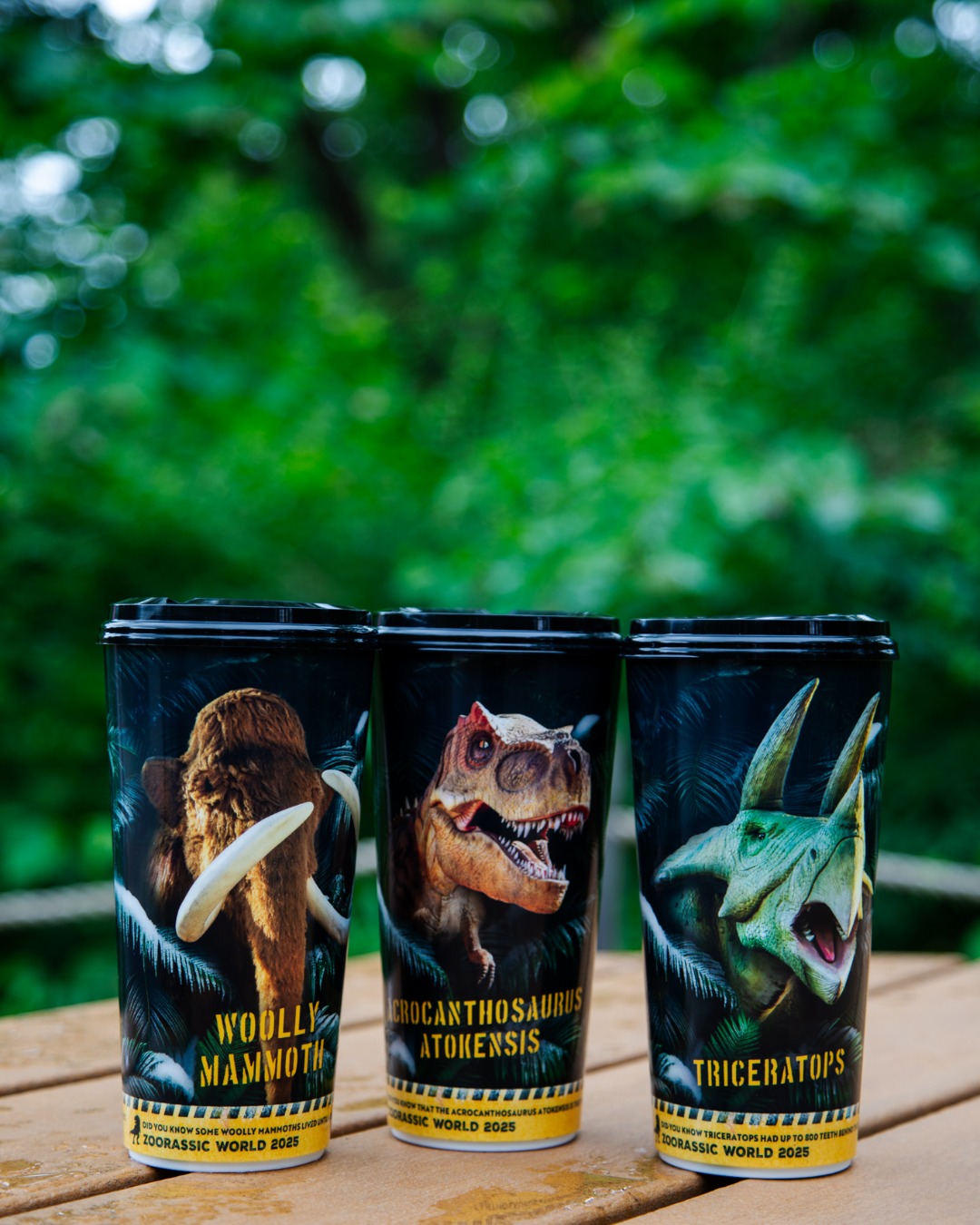
The Tulsa Zoo introduces the Zoorassic World: Frozen in Time exhibit, offering visitors a chance to collect limited-edition cups featuring prehistoric giants such as the Acrocanthosaurus, Woolly Mammoth, and Triceratops. This initiative serves to bridge the gap between entertainment and education, emphasizing the importance of these ancient creatures.
The Acrocanthosaurus, known as Oklahoma’s state dinosaur, roamed North America during the early Cretaceous period. This carnivorous dinosaur stood out for its high neural spines, giving it a distinctive ridge along its back. Its presence in modern educational tools enriches understanding of the region’s prehistoric fauna and offers insights into evolutionary biology.
The Woolly Mammoth, with its significant role in human history, represents a crucial link between past and present ecosystems. Found in the icy landscapes of the Pleistocene epoch, these creatures demonstrated remarkable adaptations to cold environments, making them an engaging subject for studying evolutionary resilience.
The Triceratops, a perennial favorite among dinosaur enthusiasts, provides an opportunity to explore herbivorous survival strategies and the biodiversity of the Cretaceous period. Its iconic three-horned face and frilled neck have captured imaginations, symbolizing nature’s incredible variety.
Zoos play a pivotal role in promoting wildlife conservation. By housing exhibits like Zoorassic World, they educate the public on the importance of preserving biodiversity. These exhibits are not merely entertainment; they are vital educational resources that inspire action toward conservation efforts.
Conservation strategies employed by zoos include captive breeding programs, habitat restoration projects, and educational outreach. These initiatives aim to protect endangered species and maintain genetic diversity. In promoting awareness of prehistoric creatures, zoos cultivate a sense of connection between visitors and the natural world, emphasizing the shared responsibility in preserving our planet’s heritage.
The Zoorassic World: Frozen in Time exhibit captures the wonder of dinosaurs, linking past with present conservation efforts. By sparking interest and providing a memorable experience, it encourages visitors to actively participate in wildlife preservation, ensuring that these majestic creatures remain celebrated and relevant in contemporary society.
*****
Source Description
We’re celebrating National Dinosaur Day with something cool! ❄️🦖
Introducing our Zoorassic World: Frozen in Time limited-edition cups, featuring the Acrocanthosaurus (Oklahoma’s state dinosaur!), the iconic Woolly Mammoth and the fan-favorite Triceratops.
Grab yours at Tulsa Zoo concessions during your next visit and collect all three before they go extinct when Zoorassic World ends on September 1, 2025!
