
- Importance of connecting with nature for mental and physical health
- Role of outdoor activities in wildlife conservation awareness
- Understanding the habitat of the red panda and its conservation status
- Benefits of zoo visits in education and conservation
- Practical tips for engaging with nature responsibly
Engaging with nature is essential for enhancing mental and physical well-being. When you take the time to step outdoors, you’re not only embracing the natural world but also nurturing your health. Studies indicate that exposure to natural environments can reduce stress, boost mood, and improve cognitive abilities. This month presents the perfect opportunity to immerse yourself in nature, be it through a hike, a visit to a zoo, or simply spending an afternoon at a local park.
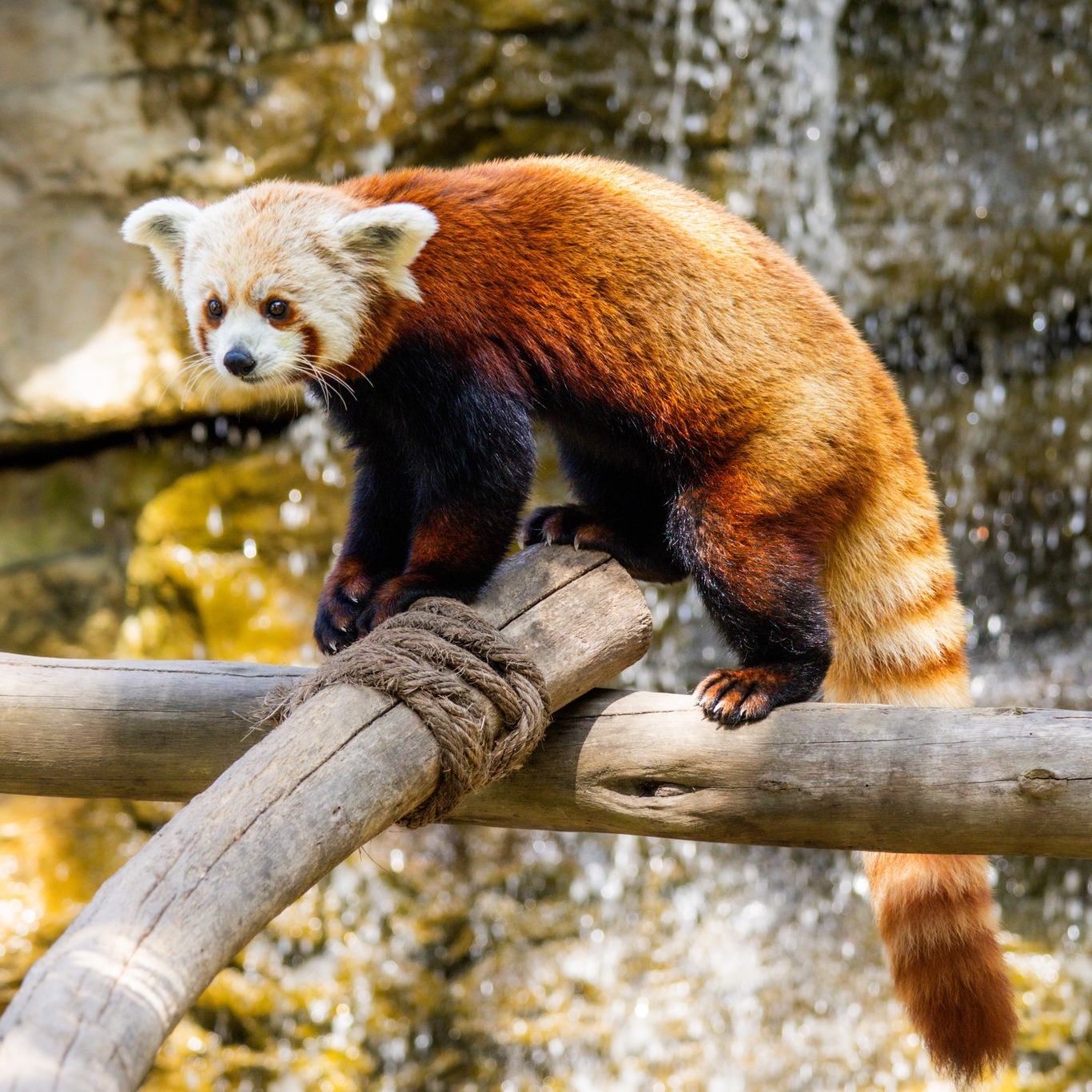
Nature offers a calming respite from the hustle and bustle of daily life. The rhythmic sound of a stream, the rustle of leaves, or even the sight of a captivating red panda like Ruby, can ground us in the present moment. For those passionate about wildlife and conservation, such experiences serve as powerful motivators to protect these pristine environments.
Outdoor activities play a crucial role in raising awareness about wildlife conservation. By engaging in activities like hiking or bird-watching, individuals gain a deeper appreciation for diverse ecosystems. Experiences in natural settings often foster a sense of responsibility and urgency about conserving endangered species and habitats. For instance, observing animals in their natural environment highlights the importance of preserving these spaces.
Understanding the habitat and conservation status of species like the red panda is vital. The red panda, a small mammal native to the eastern Himalayas and southwestern China, is currently classified as endangered due to habitat loss and fragmentation. Its reliance on bamboo forests makes its survival precariously linked to these diminishing areas. By learning about such species, we become more informed advocates for conservation efforts.
Zoos play a significant role in education and conservation. Visiting a zoo provides an engaging way to learn about wildlife and the challenges different species face. Modern zoos are pivotal in conservation projects, supporting breeding programs and research efforts. While interacting with animals like Ruby in a zoo, visitors gain insights into their behaviors and the ecological roles they play.
It’s important to engage with nature responsibly. As more individuals seek outdoor experiences, it’s crucial to minimize our environmental impact. Practice leave-no-trace principles by being mindful of waste, respecting wildlife, and staying on designated trails. These actions help to preserve the habitats we enjoy and ensure their longevity for future generations.
Taking this as your sign to get out in nature this month involves an active commitment to both your well-being and the planet. Whether you’re hiking through forests, observing wildlife, or simply enjoying a serene landscape, these experiences provide benefits that extend beyond personal health. They foster a connection to the world around us, encouraging a collective spirit of conservation and stewardship.
*****
Source Description
Take this as your sign to get out in nature this month! 🥾🍃⛰️
Alt-text: Ruby the red panda pauses to take in her surroundings at a crossroads on her wooden catwalk as a rain from the waterfall behind her splashes down.
