
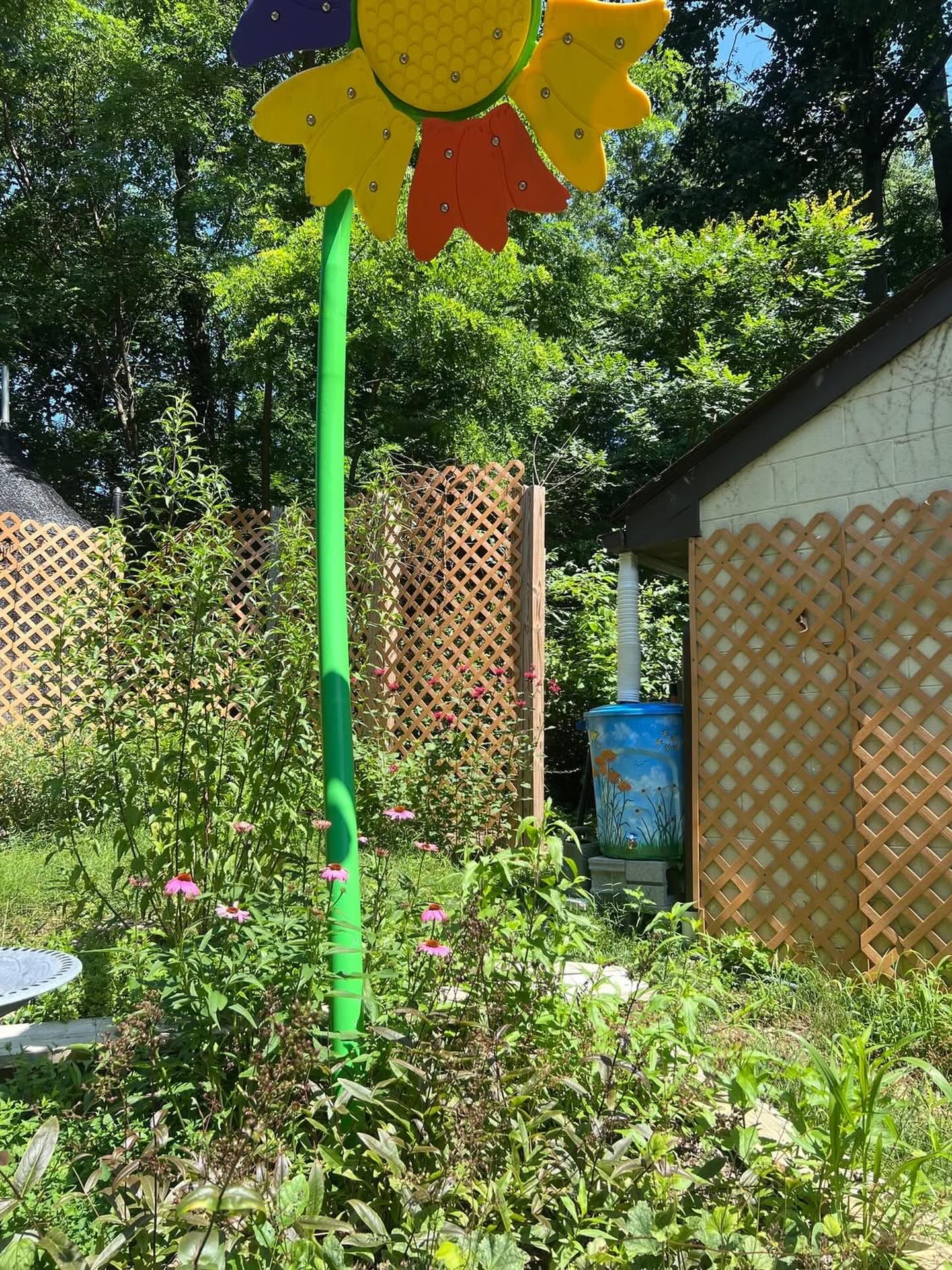
- Understanding National Gardening Day and Its Significance
- Ideal Planting Conditions and Best Practices
- Exploring Native Plants and Their Benefits
- The Importance of Eco-Friendly Gardening Techniques
- Resources for Garden Planning and Plant Selection
National Gardening Day, celebrated annually on April 14th, serves as a timely reminder of gardening’s many benefits. It holds a special place not just in the hearts of enthusiasts but also for environmental stewards everywhere. This day promotes awareness around the joys of gardening, offering an opportunity to connect with plants and nature. However, while April marks the onset of warmer months, temps can fluctuate, necessitating careful planning and execution for gardening activities.
When thinking about gardening, understanding local climate conditions is crucial. Many regions still experience cold snaps in April, meaning that while the ground may be thawing, it might not yet be the best time to plant everything. Gardeners should focus on hardy plants that can withstand cooler temperatures. This is particularly true if your intent is to plant directly in the soil. As you dive into the world of gardening, remember to implement practices that cushion your plants against the capricious shifts in temperature. Leaf litter from the previous year is an excellent insulating material. A thin layer can help trap warmth and protect seedlings from late frost.
Another strategy is to start some plants indoors. Propagating seedlings in a controlled environment allows you to take advantage of the season while avoiding the risks posed by shifting weather patterns. Once conditions are more stable, you can successfully transplant your seedlings outdoors. This method not only increases your chances of successful growth but also gives you a head start on the growing season.
One of the most essential aspects of successful gardening is selecting the right plants. Not only do you want to choose plants that thrive in your particular planting zone, but their native origins also play a vital role. Native plants are adapted to local climates and soil conditions, requiring less water and fewer resources compared to non-native species. They can flourish in your garden, enhancing both beauty and biodiversity while minimizing maintenance efforts. Resources such as Delawarenaturally.org provide valuable information about local plants, allowing you to make informed decisions that support the ecosystem.
By planting native species, you also contribute to local wildlife conservation. Various pollinators such as bees and butterflies rely on these plants for food and habitat. The ecological web that forms from your garden can have far-reaching effects, contributing to a flourishing environment. Including native or drought-tolerant plants will also help conserve water. These practices are increasingly relevant as climate change continues to affect water availability in many regions.
Critical to gardening today is adopting eco-friendly techniques. Organic gardening methods draw upon natural inputs and approaches rather than reliance on synthetic chemicals. Incorporating composting into your routine not only enriches the soil but also reduces waste. By using kitchen scraps and yard waste, you can create a nutrient-rich substance that encourages healthy plant growth. Techniques like crop rotation also help maintain soil health while preventing pest buildup.
Utilizing mulch is another method to retain moisture and suppress weeds. Organic mulches like wood chips or straw gradually break down and enrich the soil. Additionally, they help regulate soil temperature, aiding plant life in both scorching summers and chilly winters. As you plan your garden, think about how these techniques can be integrated into your approach to achieve a more sustainable and effective gardening venture.
National Gardening Day is also an opportunity to explore resources available for enhancing your gardening knowledge. Websites like HomeGrownNationalPark.org provide guidance on how to cultivate native plants while creating habitats for beneficial wildlife. Educational materials offer insights into various gardening techniques, helping enthusiasts across all experience levels. Community gardens have also gained traction, serving as spaces for collaboration and learning. These areas can foster a spirit of cooperation while educating participants on sustainable practices.
As you embark on your gardening journey this National Gardening Day, take time to reflect not just on aesthetics but also on the ecological impacts of your actions. Begin with a plan that considers planting zones, local soil conditions, and available water resources. This careful planning will enable you to create a thriving garden while contributing positively to the environment.
Clip bushes, prune shrubs, and remove any debris that collected over the winter. Such maintenance allows for better air circulation and sunlight penetration, crucial for plant health. Additionally, assess soil quality. Conducting a soil test can reveal nutrient deficiencies, allowing for adjustments before planting. Nutrient-rich soil promotes stronger plant growth and resilience against pests and diseases.
Companion planting is another intriguing concept to look into. Certain plants can have beneficial effects on one another when grown together. For example, planting marigolds alongside vegetables can deter harmful pests, providing a natural form of pest control. This approach not only supports plant health but also limits the need for chemical pesticides, maintaining a home garden that’s safe for both the environment and local wildlife.
When you plan your spring activities, consider integrating areas for beneficial insects. Planting a diverse range of flowering plants attracts pollinators, which can significantly boost the productivity of your vegetable garden. Moreover, certain plants serve as natural repellents to pests, fortifying your garden against infestations.
Don’t overlook the opportunities to learn from your garden as it evolves. Monitoring plant growth and observing wildlife activity can yield valuable data over time. Keeping a gardening journal could assist in assessing what practices yield the best results. These records not only help new gardeners grow but can also guide future actions based on past experiences.
An awareness of seasonal changes will also enhance your gardening endeavors. As climate patterns shift, gardeners will find that adaptability is key. Understanding frost dates, local rainfall patterns, and pest cycles allows for informed strategies that can result in a more bountiful yield.
Participating in community initiatives can bolster individual efforts while raising awareness about gardening’s ecological role. Many local agricultural extension offices provide workshops and resources aimed at promoting gardening skills. Connecting with other enthusiasts can generate ideas and foster a sense of community, making gardening a richer, more collaborative experience.
As Easter nears and the spring equinox approaches, it’s prudent for gardeners to familiarize themselves with the local flora. This knowledge not only acts as a guide for current planting but also facilitates a connection with the surrounding ecosystem. Visiting local botanical gardens or arboretums can deepen your understanding of local biodiversity, informing your choices of what to introduce into your own garden.
Journaling your gardening experiences can deepen your relationship with nature. Keeping track of temperature changes, plant health, and pest occurrences not only proves beneficial for you as a gardener but also contributes to a larger database of information. This documentation can help community members understand trends in local gardening, providing valuable insights for future efforts.
In summary, National Gardening Day is not merely a celebration; it’s a call to action for anyone looking to engage more deeply with nature and promote conservation. The right planting strategies, eco-friendly techniques, and awareness of native species can pave the way for successful gardening endeavors. Use this opportunity to plan your garden thoughtfully and observe the harmonious relationship between plants and wildlife. Gardener or not, the ecosystem benefits when individuals commit to being aware of their gardening practices and their impacts.
*****
Source Description
It’s National Gardening Day! 🌻🪴
This is the perfect time to start working on garden plans but be cautious about planting just yet. With our current climate, our temperatures are still fluctuating so be sure that if you do get the itch to get outside and work on beautification of your surroundings, that you are planting native hardy plants, offering shelter to your plants (leaf litter from last year works great for insulation!), or starting some plants early inside then transplanting when the weather is staying warmer.
To check what plants would be best for your planting zone, native range, soil type, and water needs, check out resources like Delawarenaturally.org (link in bio👆) and HomeGrownNationalPark.org!
@delawarenaturally @homegrownnationalpark
📸: Lead Keeper/Vet Tech Janey
